

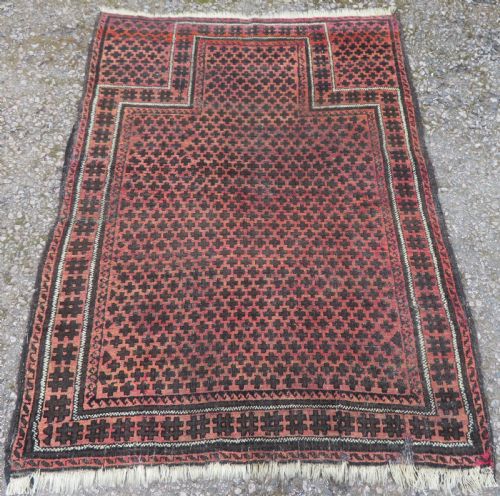


Nomadic Wool Prayer Mat
A nomadic wool prayer mat brings tribal heritage into a room through rich hand-knotted pile and distinctive prayer arch designs.
Nomadic Wool Prayer Mat
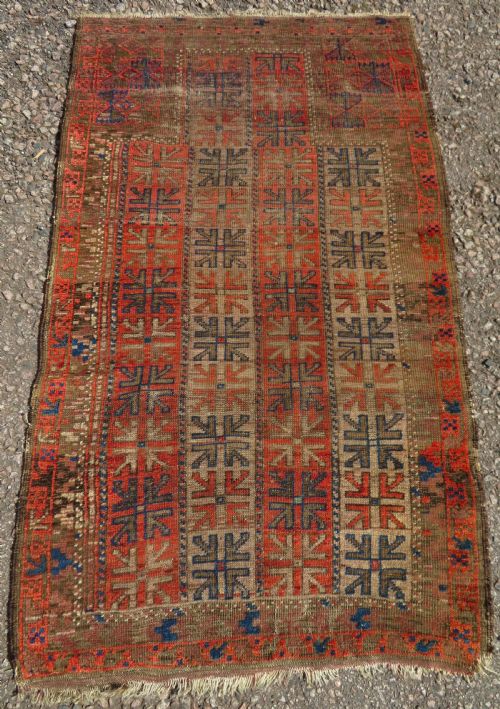
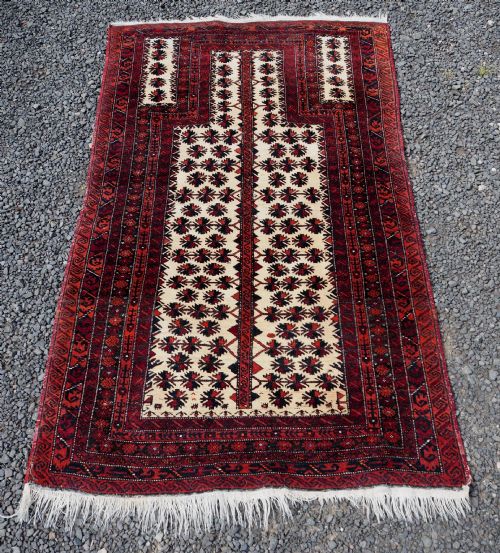
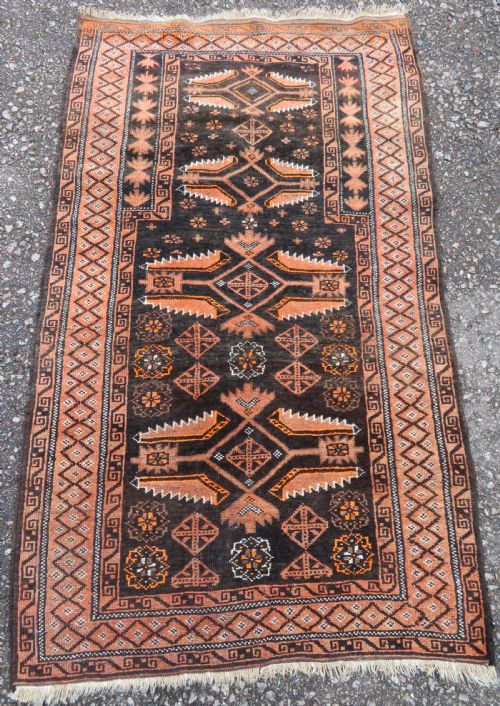
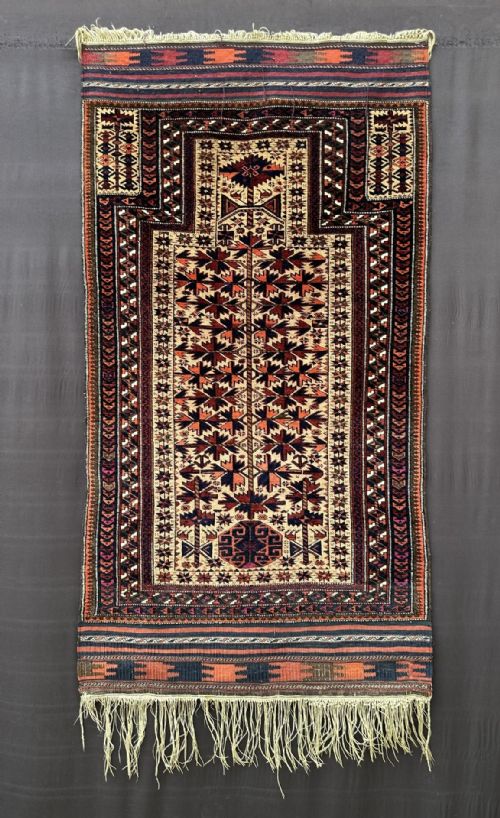
A nomadic wool prayer mat represents the weaving traditions of tribal groups across Persia, Afghanistan, and Anatolia, created for personal devotion and daily use. These pieces typically display compact formats designed for portability, featuring characteristic architectural prayer niches known as mihrabs.
The selections available here span the late nineteenth century through the early twentieth century, reflecting village and tribal production methods. Buyers frequently encounter Baluch, Timuri, Taimani, and Afghan tribal variants showing geometric patterns, tree of life motifs, and multiple mihrabs.
Makers utilised local materials suited to nomadic life, resulting in smaller rug and carpet formats that fit modern interior spaces as accent pieces. Each specimen demonstrates the distinct visual vocabulary of specific regional tribes working within traditional idioms.
Distinctions in quality and execution
Quality in these tribal textiles rests upon the handle of the wool and the clarity of the natural dyes used across the field. Superior examples exhibit tightly packed knots, supple foundations, and rich tones that develop deep patination over time.
Design complexity also separates standard pieces from exceptional ones, particularly where weavers introduced unusual structural variations such as multiple mihrabs or figurative elements. The integrity of the original kilim ends and side cordings further indicates the level of care retained by a piece.
Occasional tribal rugs surprise observers by including tiny human figures woven discreetly among the geometric prayer arches.
The Nomadic Wool Prayer Mat Glossary
- Mihrab
- The architectural prayer arch design that points toward Mecca, serving as the central visual focus of a prayer rug. This motif appears in single, double, or multiple formats depending on the weaving tribe.
- Baluch
- A broad term for tribal weavings produced by nomadic and semi-nomadic groups inhabiting the borderlands of Persia and Afghanistan. These rugs often feature dark indigo grounds and geometric guls.
- Kilim
- A flatwoven textile structure frequently found at the top and bottom ends of prayer rugs to protect the pile from fraying. Artisans weave these sections without pile using warp-faced or weft-faced techniques.
- Camel hair
- Undyed fibre gathered from camels, utilised in tribal rugs to provide a soft golden-brown background colour. This material offers natural durability and subtle tonal variations.
- Tree of life
- A symbolic motif depicting branches and leaves, representing eternal life and spiritual growth within tribal prayer rug compositions. Weavers often place this design centrally beneath the prayer arch.
Nomadic Wool Prayer Mat: Frequently Asked Questions
What is a mihrab?
The mihrab is the arched niche depicted at one end of a prayer rug, representing the direction of prayer towards Mecca. It serves as the focal point for the weaver's artistic expression.
On these mats, the arch takes single, double, or triple forms depending on the regional tradition of the tribe that made it.
Where were these rugs made?
These pieces originated among nomadic and village tribes across regions including Persia, Afghanistan, and Anatolia during the nineteenth and early twentieth centuries. Groups such as the Baluch, Timuri, and Taimani produced them for daily personal use.
Weavers worked within local encampments or rural settlements, passing down specific border motifs and colour traditions through generations.
How do I care for a antique wool mat?
Antique wool rugs require gentle maintenance, starting with regular light vacuuming without a rotating brush roll to protect the pile. Keeping them out of direct sunlight prevents natural dyes from fading over time.
Professional cleaning tailored to antique textiles ensures the wool and structural foundations remain stable for daily enjoyment.
How can I tell the age of a tribal rug?
Age is determined by observing material characteristics, natural dye chemistry, structural wear patterns, and traditional design elements. Earlier pieces from the nineteenth century often display softer wool handles and distinct dye patination.
Comparing structural formats, such as knot density and edge finishes, helps place a rug within the late nineteenth or early twentieth-century periods.