




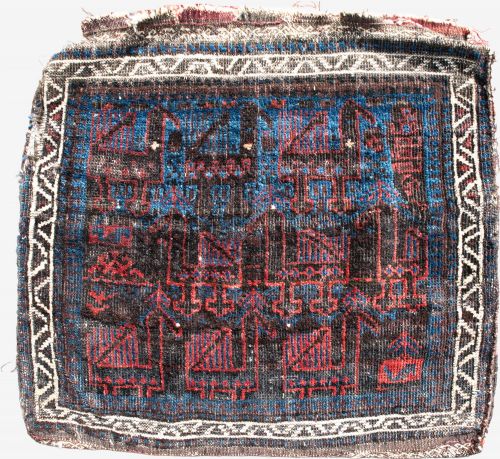
Nomadic Tribal Pouch
When you search for a nomadic tribal pouch, you are looking at utilitarian textile containers woven by pastoral groups in Persia, Central Asia, and the Caucasus during the late nineteenth and early twentieth centuries.
Nomadic Tribal Pouch
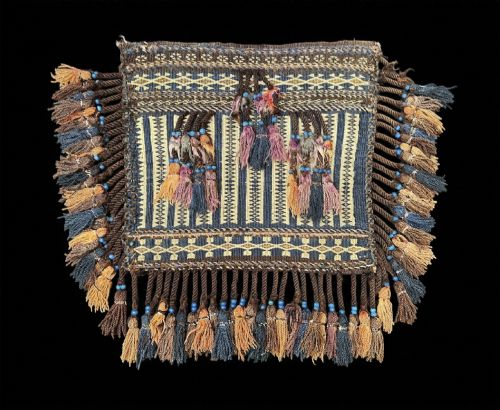
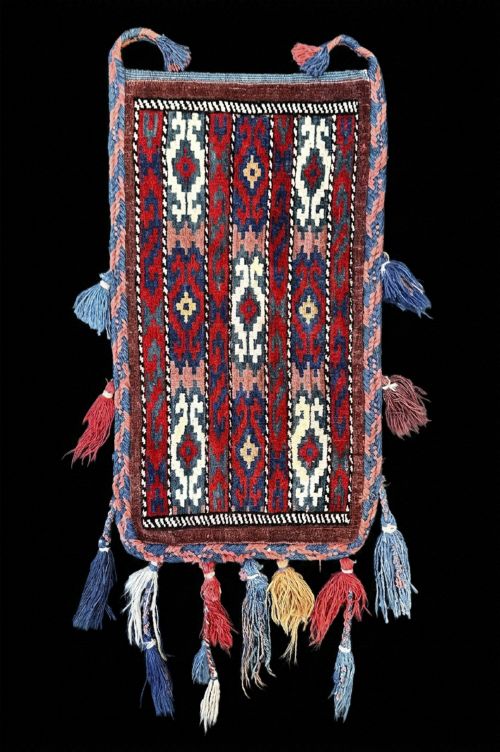
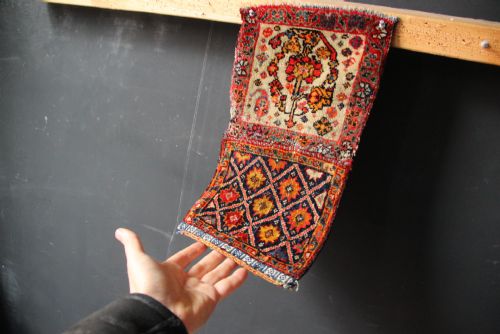
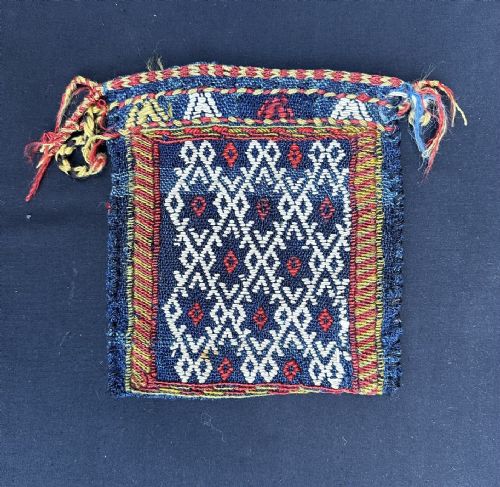
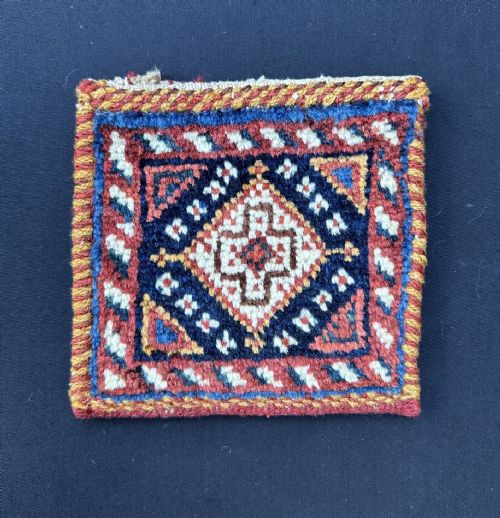
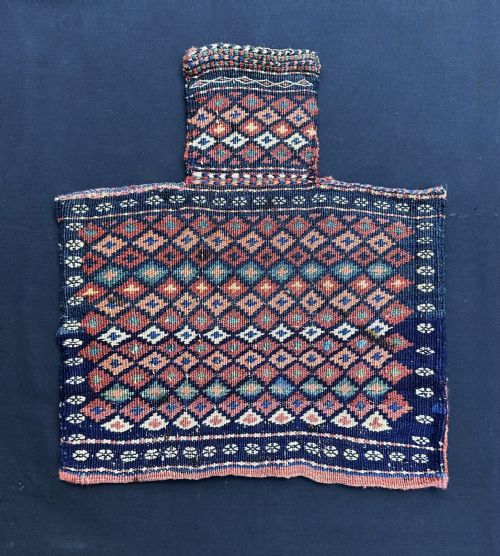
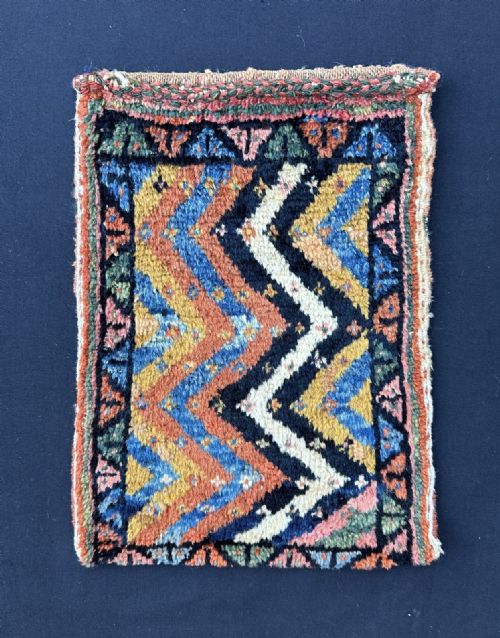
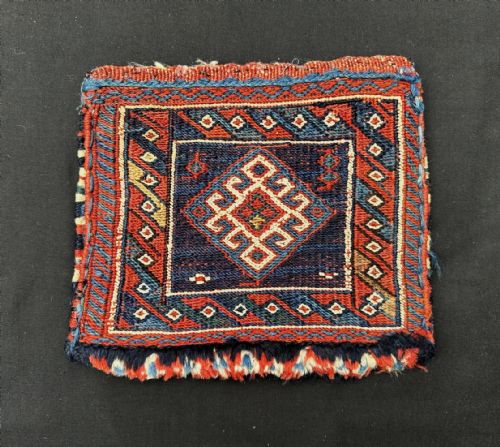
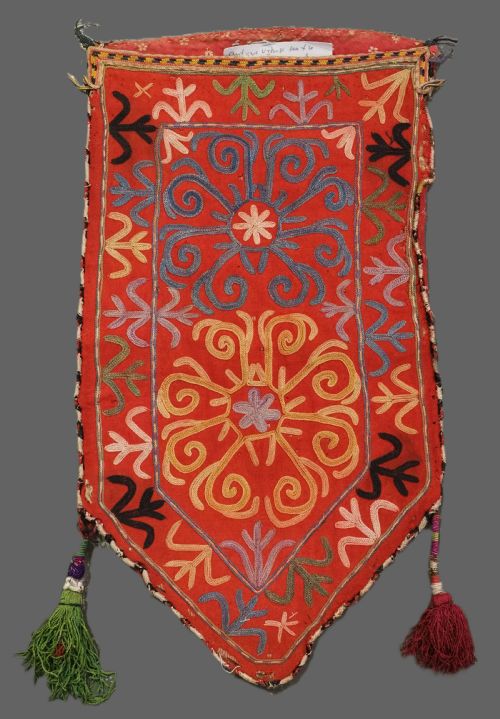
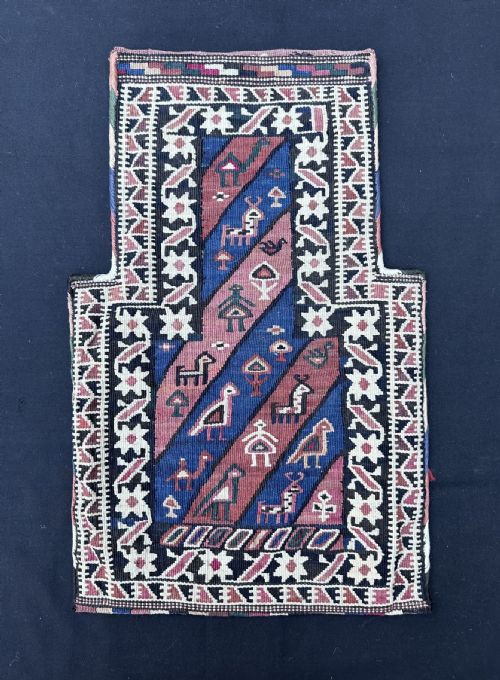
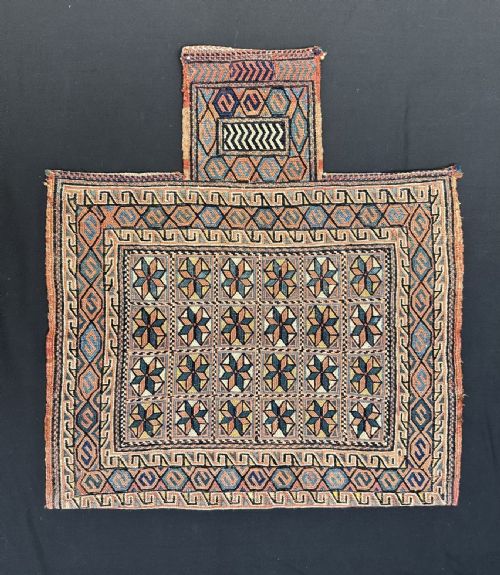
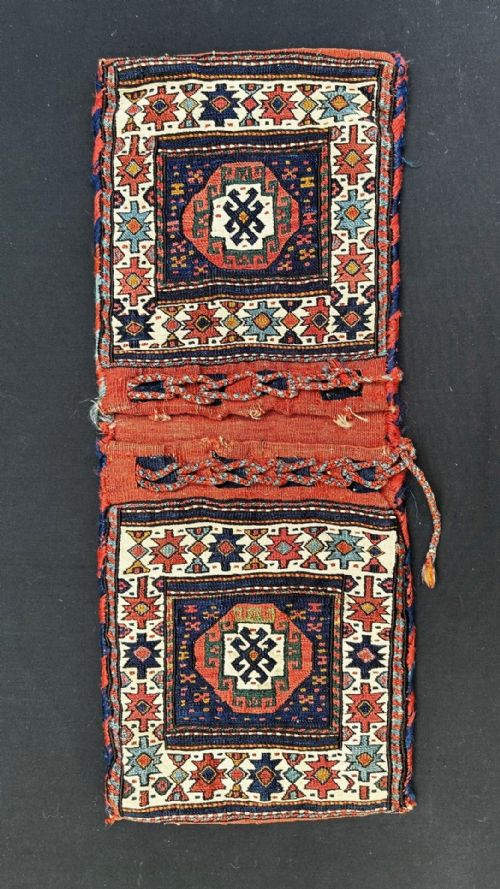
A nomadic tribal pouch encompasses specialised utilitarian containers such as vanity bags, salt bags, spindle bags, and chantehs created for domestic life by tribal weavers. These textiles originate from diverse confederacies and groups including the Qashqai, Afshar, Baluch, Shahsevan, and Turkmen. The examples on this page span the period from eighteen sixty to nineteen twenty.
Forms vary from small face-powders or mirror bags to larger storage sacks and saddle bags designed for transport on animals. Each shape serves a distinct domestic purpose within the tribal camp, whether holding salt, spoons, or personal items. Most items reflect the specific regional traditions of South Persia, Khorassan, or the Trans-Caspian steppes.
Materials and Construction
Weavers constructed these pouches primarily using hand-spun wool and cotton foundations, often incorporating natural dyes to achieve deep saturated tones. Some pieces integrate silk highlights or functional woollen pile alongside flatweave sections. Decoration frequently includes applied elements such as cowrie shells and glass beads.
Techniques combine pile weaving with flatweave structures like sumak or plain weave backs to ensure durability during daily nomadic use. Double-faced and double-sided formats appear among specific Central Asian and Baluch groups. Original backs and complete closing mechanisms survive on many of the preserved examples.
Nomadic Tribal Pouch Retail Price Guide 2026
Typical asking prices for nomadic tribal pouch among the pieces listed under this phrase on Sellingantiques today, from the lower quarter to the upper quarter. They describe what is for sale here now, not the wider market.
Certain nineteenth-century salt bags feature constricted necks designed specifically to keep desert dust out of the family seasoning.
Factors of Quality
Quality rests in the precision of the knotting, the complexity of the tribal design repertoire, and the saturation of the natural dyes. Finely spun wool and tight structural weaves indicate superior craftsmanship by experienced tribal artisans. Completeness, such as retaining original plain weave backs or suspension loops, elevates an example.
The sophistication of the tribal iconography and the rarity of the specific sub-tribe attribution distinguish finer items from standard utilitarian pieces. Patina resulting from genuine nomadic use without compromising structural integrity marks a well-preserved survivor of the period.
Afshar Tribes·Baluch Tribes·Turkmen Tribes·Shahsevan Nomads·Luri Tribes·Lakai Uzbek Tribes
The Nomadic Tribal Pouch Glossary
- Chanteh
- A small woven bag or vanity pouch used by Persian and tribal nomads for personal possessions. These portable containers often feature intricate geometric pile work.
- Torba
- A wide tribal bag, particularly associated with Turkmen weavers, used for storage inside the yurt. They frequently display characteristic guls and banded designs.
- Namakdan
- A specialised salt bag featuring a narrow neck designed to prevent spillage during transport. Nomads utilised these hanging containers within their tents.
- Chuval
- A large tent bag produced by Turkmen groups for household storage. They typically exhibit primary gul medallions across the face.
- Gul
- A medallion motif repeated across Turkmen and tribal carpets and bags. Each design often identifies a specific tribe or clan grouping.
Nomadic Tribal Pouch: Frequently Asked Questions
What were tribal pouches used for?
Nomads utilised these pouches for storing household items, salt, spoons, spindle equipment, and personal vanity articles during migrations. Each specific shape was tailored to hold particular goods within the traditional tent.
Containers hung from tent poles or packed onto animals for transport across the steppes and mountains.
How do I identify the tribe?
Attribution relies on specific structural characteristics, wool qualities, and the geometric motifs repeated across the weave. Different confederacies like the Qashqai, Afshar, or Turkmen employed distinct colour palettes and border patterns.
Regional dyeing traditions and specific structural formats help narrow down the producing group.
Are original backs important?
The presence of the original plain weave or banded back indicates a complete, undisturbed textile container. Many surviving pieces retain their back panels and suspension loops, which adds to their historical integrity.
Collectors look for these complete examples as they demonstrate the full original form of the bag.
How should I display a pouch?
These textiles hang successfully on walls using subtle support systems that distribute the weight evenly along the top edge. Avoid mounting methods that pull on individual threads or put stress on the wool foundation.
Keep them away from direct sunlight to protect the natural dyes from fading over time.