





Antique Afghan Textile
These antique afghan textile pieces are woven tribal works from Central Asian nomads, bringing rich geometric patterns and authentic nomadic craft into modern interiors.
Antique Afghan Textile
When you search for an antique afghan textile, you encounter items created by tribal and nomadic groups across the region, including Baluch, Timuri, and Turkoman communities. These objects served practical domestic and ceremonial functions within nomadic daily life rather than existing purely as decorative art.
Origins bridge the borderlands of Persia and Afghanistan, reflecting distinct regional weaving traditions. Wall hangings, prayer rugs, and grain bags predominate, constructed by specific tribal groups including the Sangtshuli and Djhan Beghi.
Materials and construction methods
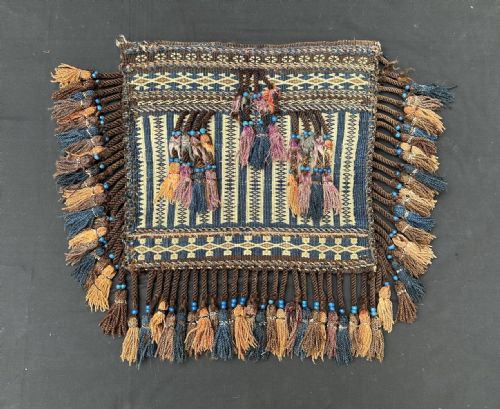
Weavers utilised hand-spun wool and natural dyes as primary materials, occasionally incorporating cotton and goat hair for structural strength. Glass beads also appear on specific trapping and ceremonial pieces for ornamentation.
Techniques range from plain weave backs on storage bags to embroidered kilims and intricate pile structures on prayer rugs and portiere door hangings. Artisans constructed these items to withstand rigorous nomadic use while maintaining expressive tribal aesthetics.
Antique Afghan Textile Retail Price Guide 2026
Typical asking prices for afghan textile among the pieces listed under this phrase on Sellingantiques today, from the lower quarter to the upper quarter. They describe what is for sale here now, not the wider market.
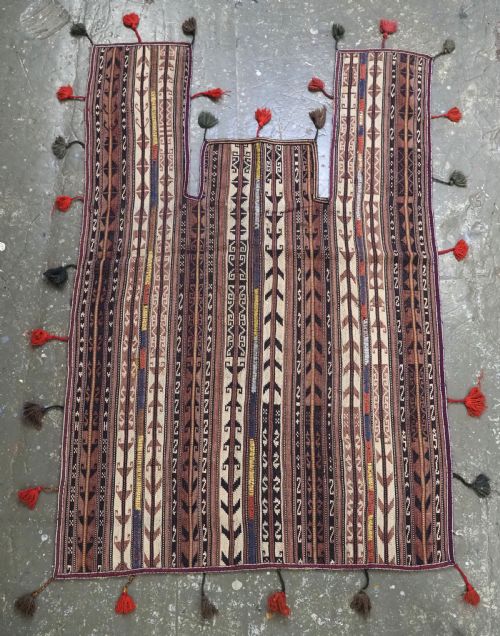
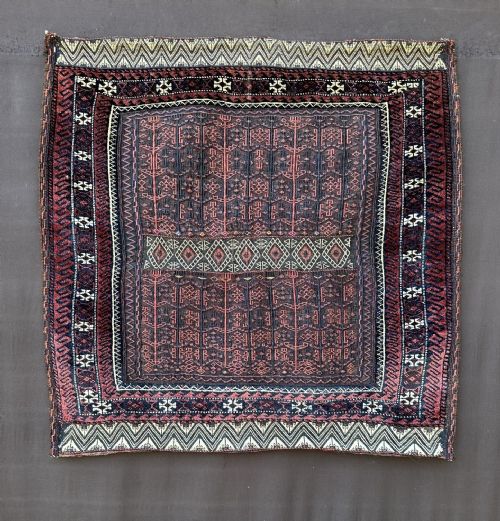
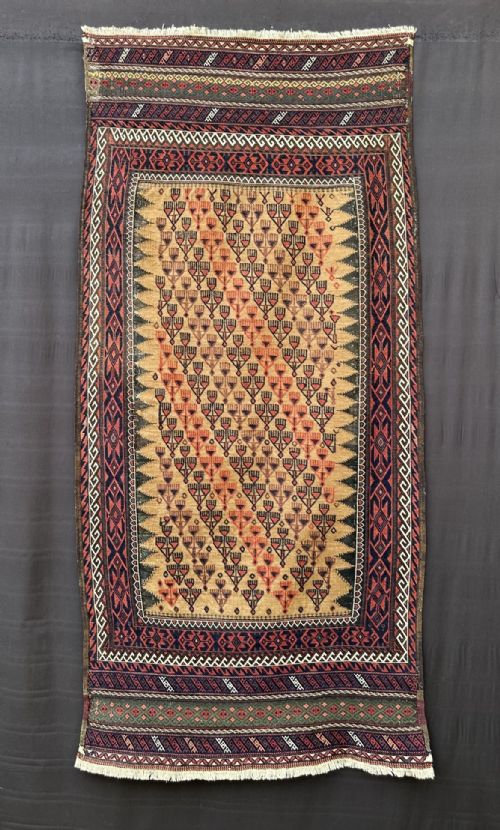
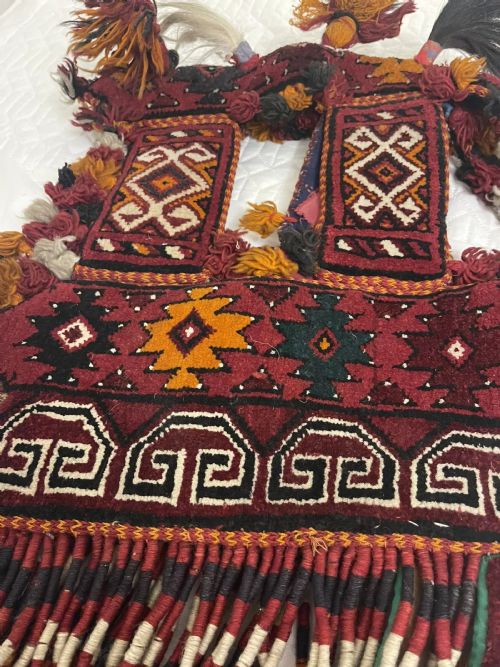
Forms on this page range from utilitarian grain bags and bread sofreh to ceremonial horse blankets and door tent hangings.
Assessing quality in nomadic weaving
Quality rests upon the fineness of the hand-spun wool and the complexity of the natural dye palette. Tighter knotting or weaving density and precision in executing traditional tribal motifs elevate specific examples.
Condition and completeness distinguish individual items, particularly on functional forms that retain original flatweave backs, fringes, or suspended elements. The integrity of the structural weave and the vibrancy of the remaining wool dictate the overall standard.
Baluch Tribes·Timuri Sangtshuli Tribe·Djhan Beghi Tribe·Ersari·Taimani Baluch
The Antique Afghan Textile Glossary
- Sofreh
- A woven spread or cloth used for dining or handling bread within nomadic households. These rectangular textiles display distinctive tribal field patterns.
- Kapunuk
- A tent hanging or door portiere traditionally placed around the entrance of a yurt. These items often feature specific triangular flaps and decorative borders.
- Chuval
- A large storage bag produced by Turkoman tribes for household goods. They typically present characteristic gul motifs arranged in rows.
- Balisht
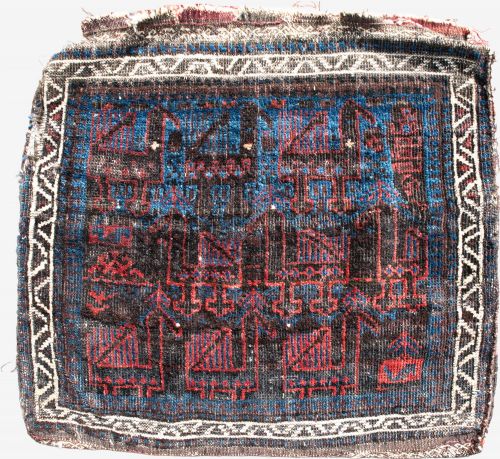
- A smaller storage or grain bag created by Baluch nomads. These pieces frequently combine pile-woven faces with plain weave backs.
- Ru Korssi
- A decorative cover utilised over a traditional low table or brazier in Central Asian homes. They reflect the domestic textile repertoire of Timuri and related tribes.
Antique Afghan Textile: Frequently Asked Questions
What is an antique sofreh used for?
Nomadic families utilised sofreh cloths as clean surfaces for dining, rolling dough, and preparing bread within their tents. These textiles anchored domestic routines on the ground during daily meals.
Today, collectors appreciate these flatweaves as wall hangings or table covers. Their geometric fields display the distinct design grammar of individual tribal weavers.
How do I identify a Baluch storage bag?
Baluch bag faces typically feature deep indigo and red wool pile combined with simpler plain weave backs. Artisans constructed them to store grain, salt, or personal possessions.
These functional items often display stylized bird or tree motifs unique to the weaver. Their smaller dimensions make them accessible examples of nineteenth-century nomadic artistry.
How do I care for antique wool textiles?
Protect these wool and natural dye items from direct sunlight to prevent colour fading over time. Gentle vacuuming through a mesh screen helps remove dust without disturbing the weave.
Keep the textiles in stable humidity conditions away from damp environments. Allowing the wool to breathe preserves the integrity of the natural fibres.