

Nomadic Persian Weave Rug
A nomadic persian weave rug brings the structured yet untamed geometry of tribal workshops into domestic spaces.
Nomadic Persian Weave Rug
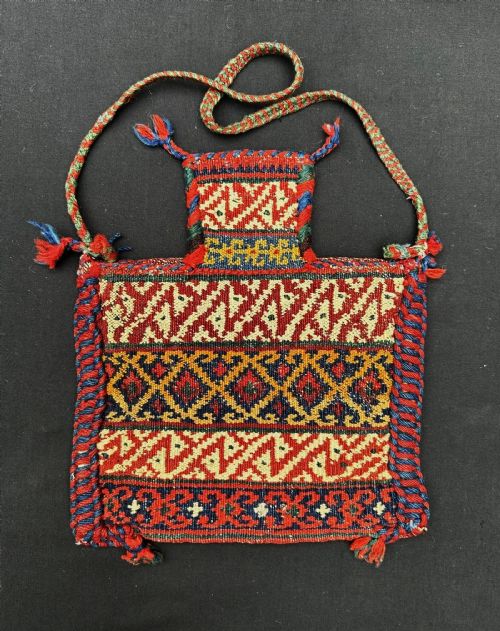
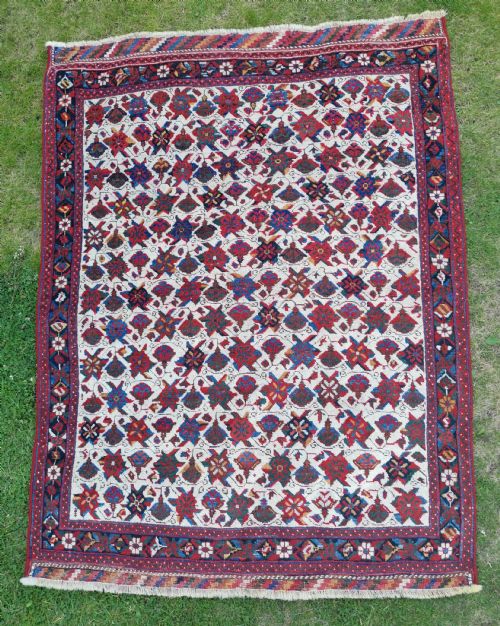
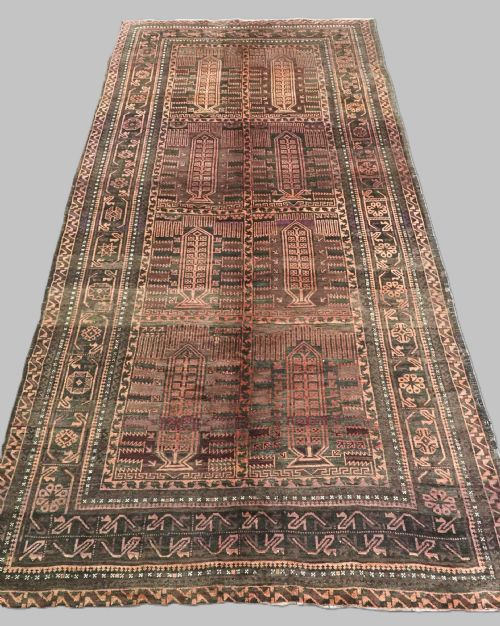
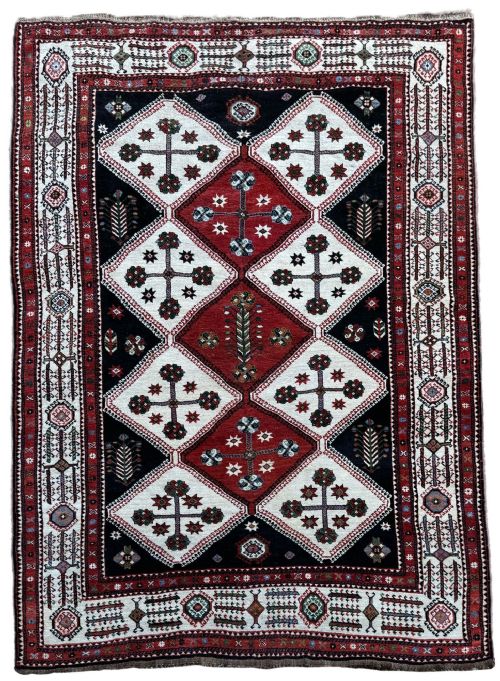
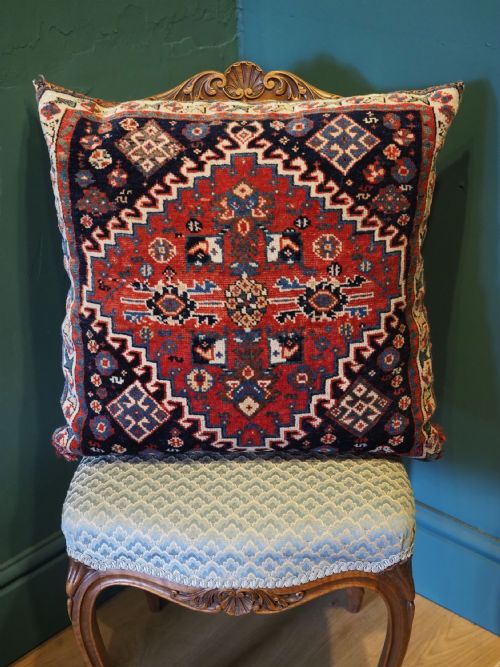
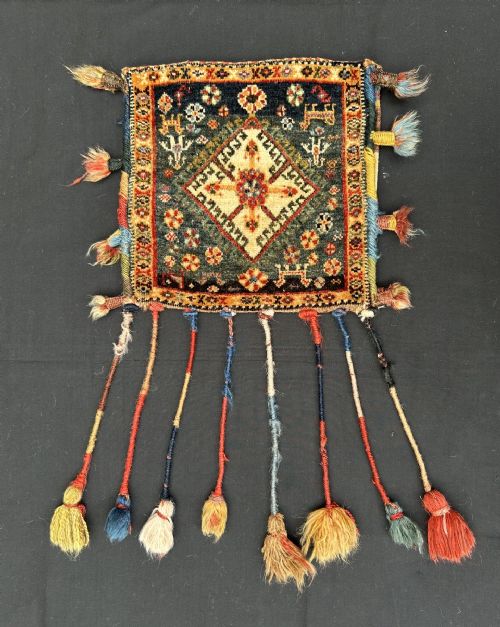
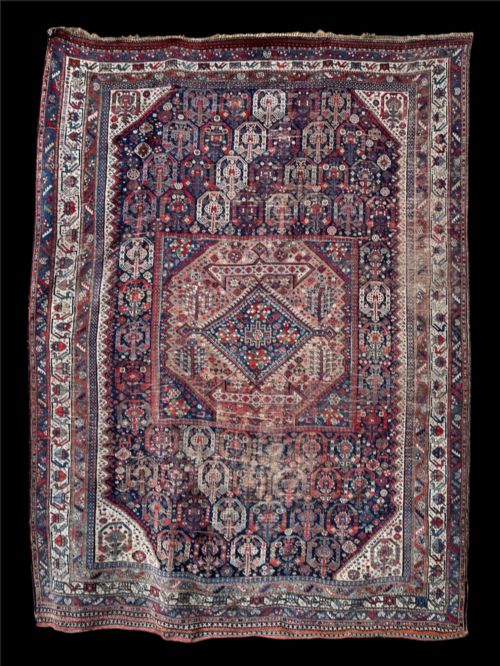
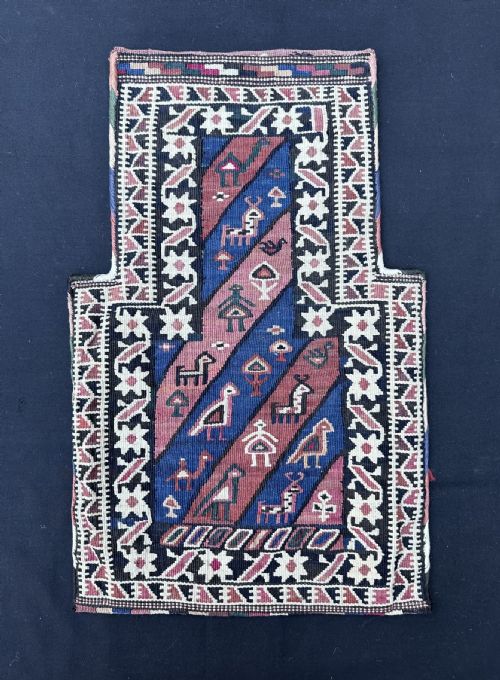
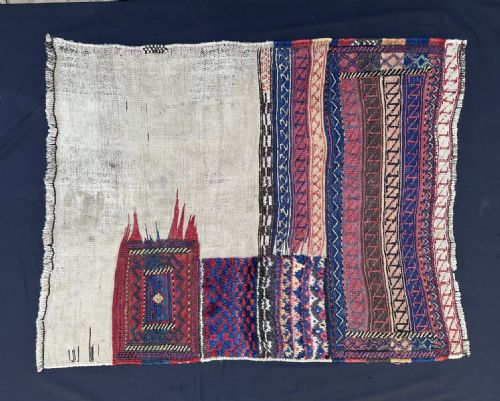
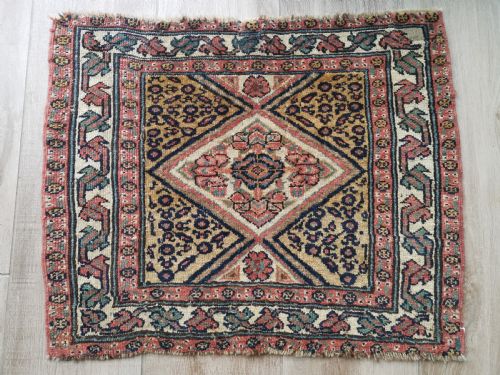
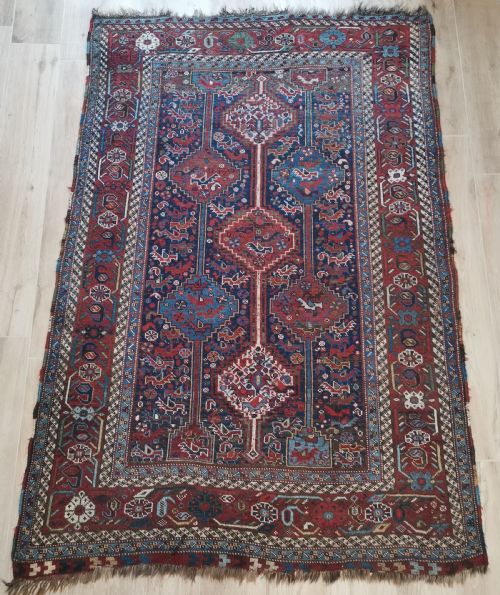
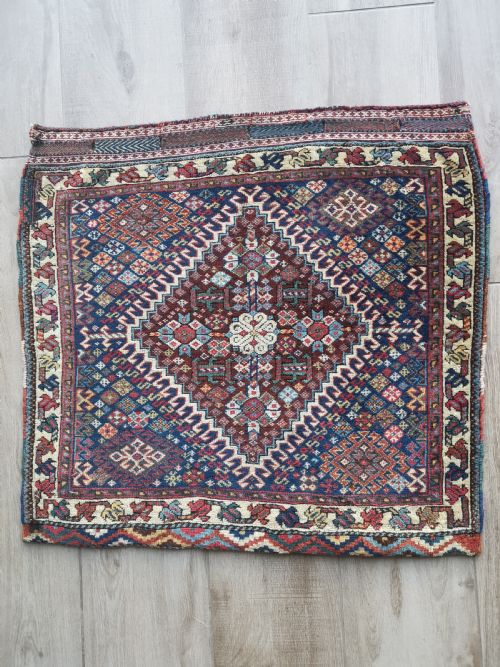
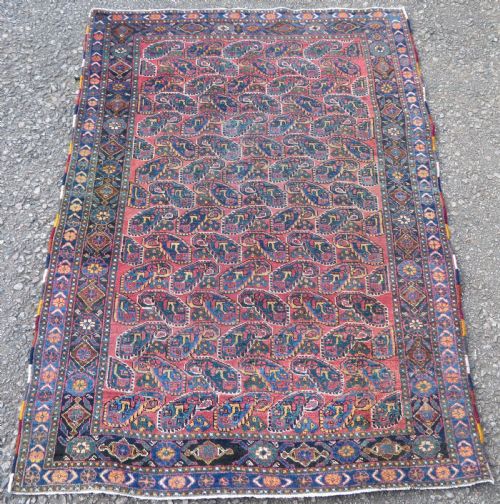
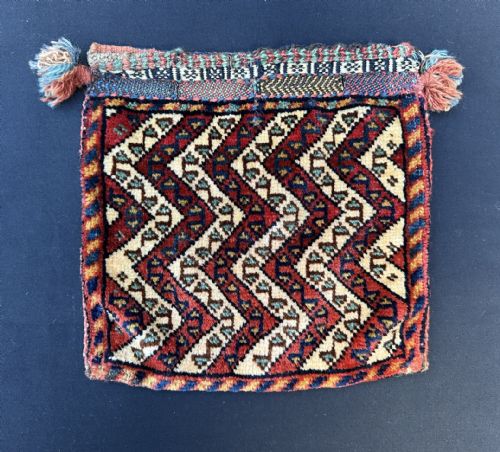
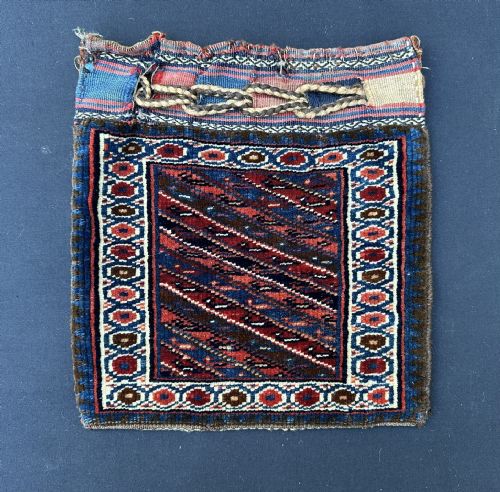
A nomadic persian weave rug encompasses a wide variety of utilitarian tribal weavings, from full-sized carpets to smaller saddle bags, vanity bags, and bread sofrehs created across regions like Fars, Khorassan, and Kerman. These pieces stem from tribal confederacies and groups including the Afshar, Qashqai, Khamseh, Baluch, and Kurdish nomads during the nineteenth and early twentieth centuries. The selection visible on this page leans heavily toward functional tribal containers and smaller formats such as bagfaces, chantehs, and salt-bags.
Makers within these confederacies utilised traditional looms to produce dense floor coverings and flatweaves intended for nomadic camp life or transport on animals. Buyers encounter formats ranging from square cushions and baby cradles to larger main carpets woven by Lori-Bakhtiari and Timuri artisans. The geographical origins span from the mountains of western Persia to the northern regions near Quchan and Azerbaijan.
Materials and Construction
Weavers relied primarily on hand-spun wool for the pile and foundation, occasionally incorporating cotton and leather alongside natural dyes to build durable textiles. Specific examples integrate decorative embellishments such as cowrie shells and wood into utilitarian items like saddle bags and pipe bags.
The construction methods reflect centuries of tribal tradition, utilising sturdy flatweave backs and tight knotting techniques suited for heavy daily use. Artisans structured these floor coverings and bags to withstand the rigours of migration while maintaining intricate geometric and tribal patterns.
Several bags in the collection served niche domestic roles, including dedicated containers for water pipes and tobacco.
Evaluating Quality
Quality in these tribal pieces rests on the precision of the weave, the depth and clarity of the natural dyes, and the integrity of the wool. Finer examples display tight knot counts and harmonious colour distribution across traditional motifs.
The condition of the wool pile and the survival of original plain weave backs or side cords distinguish exceptional survivals from heavily worn examples. Intricate regional designs, such as the classic pencil box pattern or specific sub-tribe attributions, elevate individual pieces.
The Nomadic Persian Weave Rug Glossary
- Sofreh
- A flatwoven spread or cloth used for sharing meals or handling bread within nomadic households. These textiles often feature striking geometric field designs.
- Chanteh
- A small tribal vanity bag or container used by nomads for personal items. They typically display concentrated geometric weaving on the face.
- Khorjin
- A double-sided saddle bag utilised for transport during nomadic migrations. Surviving fragments often separate into individual bagfaces.
- Confederacy
- A large alliance of nomadic tribes, such as the Qashqai or Khamseh, sharing regional territories and distinct design vocabularies in southern and western Persia.
Nomadic Persian Weave Rug: Frequently Asked Questions
What is a tribal bagface?
A tribal bagface is the decorative front portion of a larger utilitarian storage sack, removed and preserved as an independent textile.
These pieces showcase the concentrated artistic expression of nomadic weavers within a manageable format.
Where were these rugs made?
These pieces originated across various provinces of Persia, including Fars, Kerman, and Khorassan.
Different nomadic groups and confederacies inhabited these distinct geographical areas and maintained unique weaving traditions.
How do I care for antique wool rugs?
Antique wool textiles require gentle vacuuming without rotary brushes and professional cleaning when necessary.
Keeping them out of direct sunlight preserves the natural dyes utilised by the original nomadic makers.
How are different tribes identified?
Tribal attribution relies on specific structural characteristics, colour palettes, and recurring geometric motifs associated with groups like the Afshar or Baluch.
Regional dyeing materials and specific knotting habits further guide collectors in determining origin.