

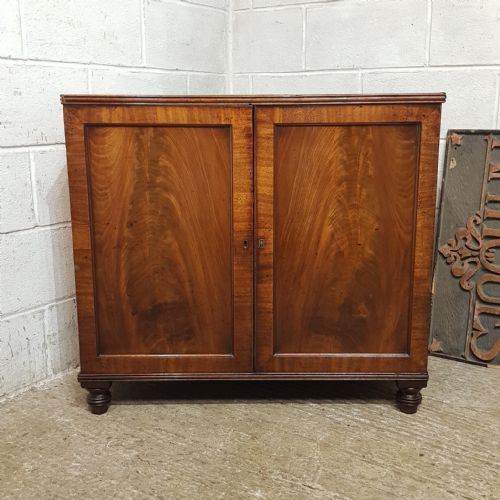
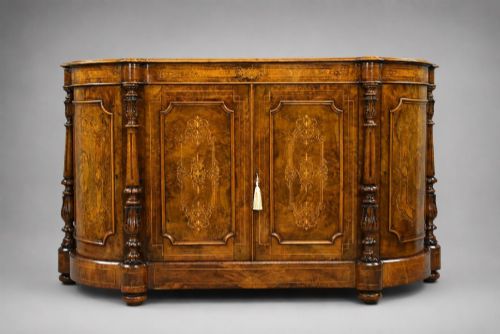
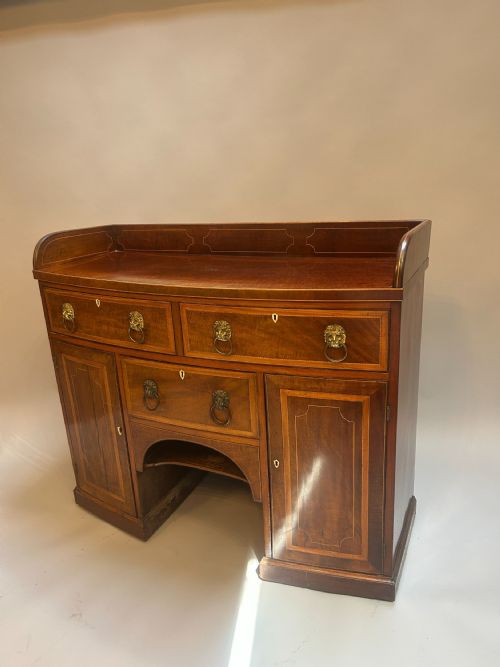


Nineteenth Century Wooden Credenza
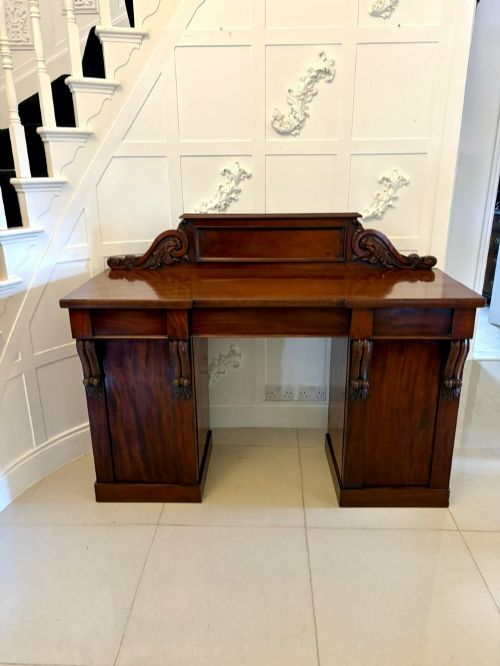
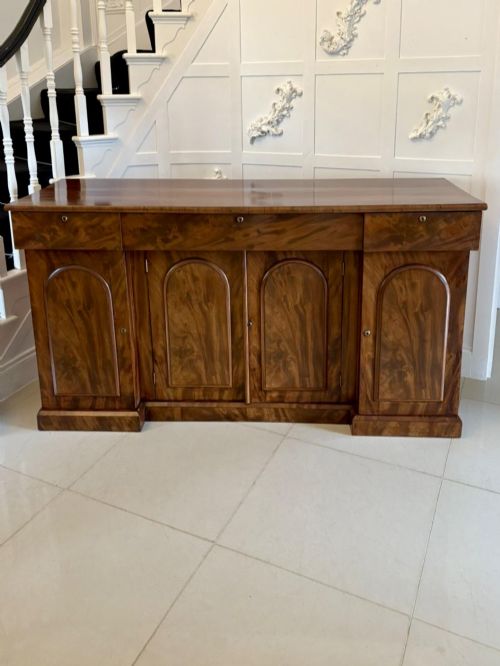
A nineteenth century wooden credenza brings monumental architectural presence and rich timber grain to a formal room.
Nineteenth Century Wooden Credenza
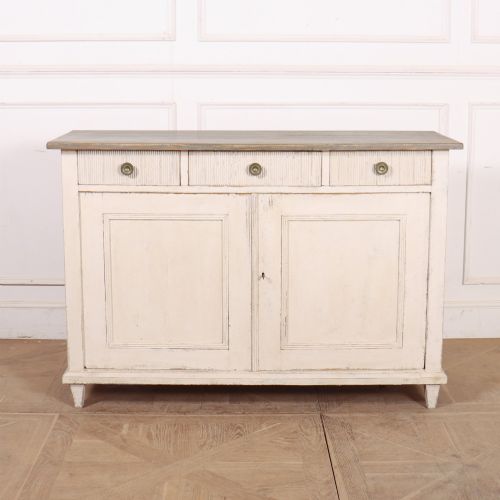
When you search for a nineteenth century wooden credenza, you encounter a diverse group of large low storage furniture spanning the Regency and Victorian eras. These pieces often overlap with sideboards, chiffoniers, and low cabinets built to anchor grand dining rooms and reception spaces.
The selections available here rely heavily on nineteenth century craftsmanship, moving from Regency brass-inlaid mahogany to ebonised Victorian walnut and inlaid credenzas. Sideboards and side cabinets dominate the forms, offering deep cupboards and pedestal bases designed for display and service.
Makers and workshops ranged across Britain and Continental Europe, introducing regional woods like padauk and rosewood alongside traditional mahogany. You also find specialised French revival styles and Chinese lacquered side cabinets sitting alongside standard British brown furniture.
Standards of craftsmanship
The division between ordinary and exceptional pieces rests upon the selection of timber and the precision of the cabinetmaker's joinery. High quality items utilise highly figured veneers, such as burr walnut or flame mahogany, matched symmetrically across the doors and drawer fronts.
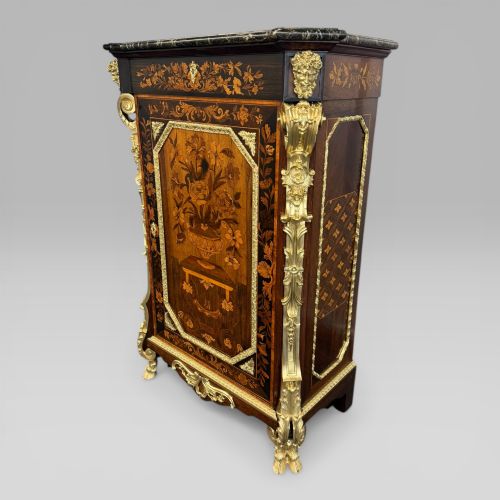
Detailing elevates a piece significantly, seen in finely cut brass inlays, intricate marquetry, and original ormolu or gilt bronze mounts rather than plain timber mouldings. The integration of secondary woods and the weight of the carcase reflect the original investment in materials.
Proportion and architectural balance separate standard utility pieces from masterworks designed for elite drawing rooms. Refined edge moulding, tight drawer construction, and intact original hardware indicate superior workshop origin.
Listings feature woods spanning mahogany, flame veneer, rosewood, padauk, cherrywood, and burr elm alongside brass, ormolu, and fabric.
Edward Holmes Baldock·The Woodworkers Ltd Kilkenny
The Nineteenth Century Wooden Credenza Glossary
- Credenza
- A low cabinet or sideboard designed for display and storage, often featuring glass or panelled doors. They gained immense popularity in the Victorian era for formal reception rooms.
- Marquetry
- The art of applying pieces of veneer to a structure to form decorative patterns and pictures. Craftsmen used contrasting exotic woods to achieve intricate floral or geometric designs.
- Ormolu
- Gilded bronze applications used as decorative mounts on furniture. This French technique added brilliant metallic contrast against ebonised or dark timber surfaces.
- Chiffonier
- A small sideboard or low cabinet typically fitted with shelves or a raised back. They served practical storage functions in nineteenth century dining and drawing rooms.
- Breakfront
- A piece of furniture where the central section projects forward from the flanking outer sections. This architectural arrangement creates depth and shadow across the front elevation.
Nineteenth Century Wooden Credenza: Frequently Asked Questions
What is a nineteenth century wooden credenza?
A nineteenth century wooden credenza is a low, substantial storage cabinet developed during the Victorian and Regency periods to hold dining silver and display decorative objects.
These pieces typically sit low against a wall, utilising rich timbers like mahogany and walnut with panelled doors and decorative inlays.
How do I style a credenza at home?
Living with a nineteenth century wooden credenza involves balancing its heavy architectural presence with lighter decorative items on top, such as mirrors or lamps.
Keep the internal shelves organised for practical storage while letting the polished timber grain and brass mounts serve as a focal point in a dining room or hallway.
How do I tell Regency from Victorian pieces?
Regency pieces often display classical restraint, cleaner lines, and precise brass inlay or ebony stringing on mahogany and rosewood surfaces.
Victorian pieces tend to be heavier, featuring ebonised finishes, elaborate marquetry, burr veneers, and more ornate carving or cast ormolu mounts.
Were these pieces used only in dining rooms?
While many large sideboards and credenzas originated in formal dining spaces to store china and linen, smaller side cabinets and chiffoniers were placed in drawing rooms and reception halls.
Their varied configurations allowed them to function equally well as serving surfaces and display cabinets across different areas of a nineteenth century home.