


Nineteenth Century Snuff Box
A nineteenth century snuff box sits easily in the palm, built to hold dry tobacco powder with quiet, everyday craft.

Nineteenth Century Snuff Box
A nineteenth century snuff box takes many portable forms, designed to fit a waistcoat pocket or rest upon a parlour table. The selection spans compact pill boxes and vinaigrettes alongside larger tobacco boxes intended for communal sharing.
Most examples date firmly to the Victorian era or earlier decades, while occasional pieces stretch toward Edwardian or 1930s revivals. Makers fashioned them for practical use, resulting in sturdy receptacles that survived generations of handling.
Materials and construction
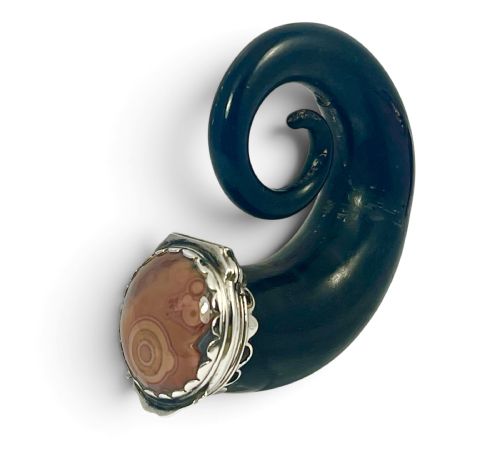
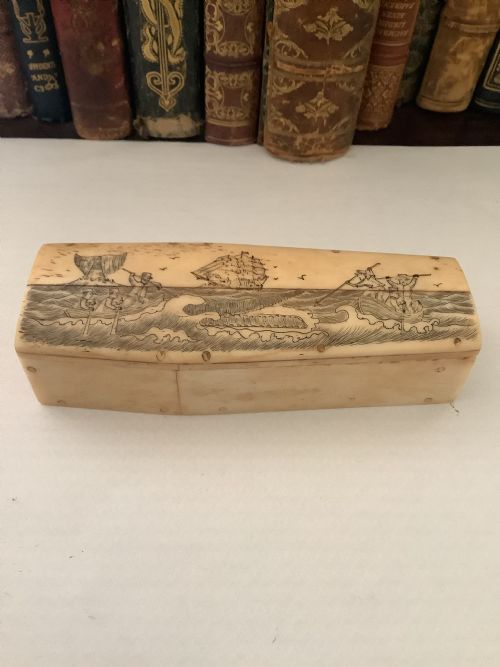
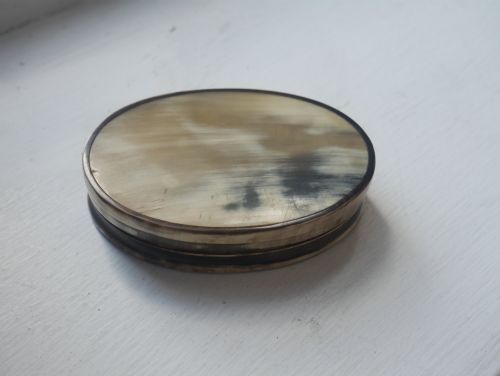
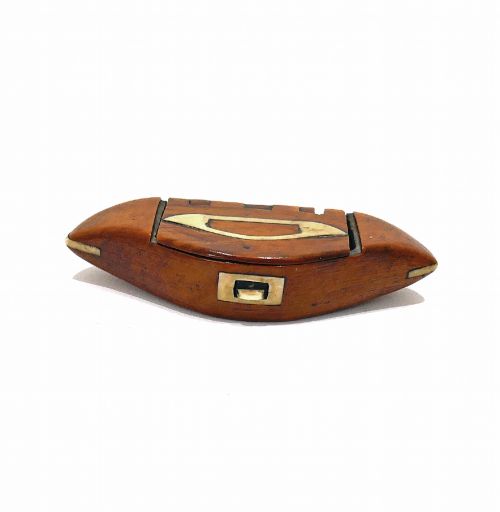
Horn and hardwood form the basis of many traditional pieces, often shaped with bone inlay, citrine mounts or polished silver hinges. Natural grain and animal materials give these utilitarian objects texture and durability.
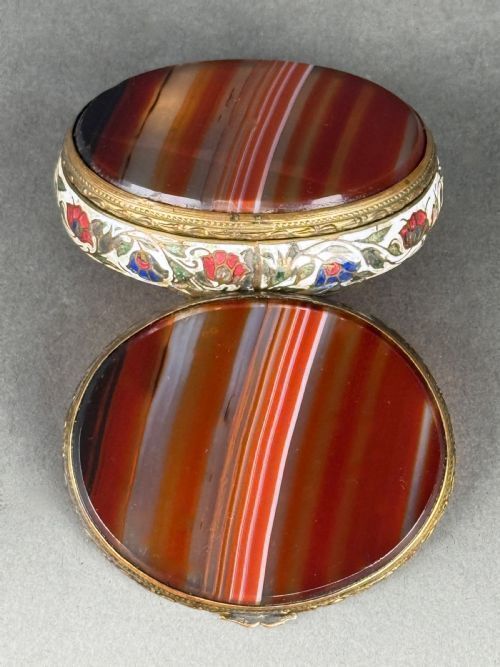
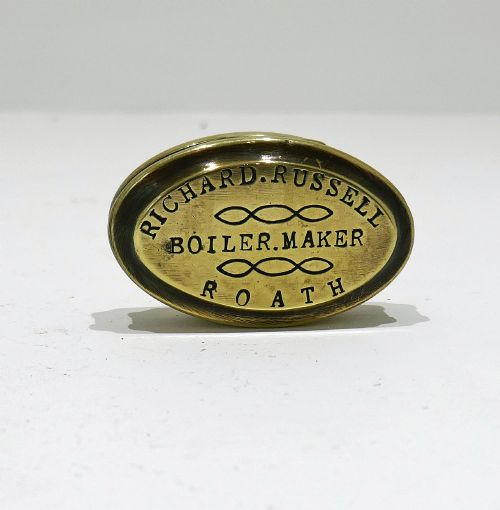
Metalwork and precious stones elevate finer specimens, incorporating champlevé enamel, banded agate and solid gold alongside simple brass engraving. Tole ware, papier-mâché and painted finishes add colour and decorative variety to the group.
Nineteenth Century Snuff Box Retail Price Guide 2026
Typical asking prices for nineteenth century snuff box among the pieces listed under this phrase on Sellingantiques today, from the lower quarter to the upper quarter. They describe what is for sale here now, not the wider market.
Listings feature natural materials including horn, bone, fruitwood, tortoiseshell, and burr walnut alongside silver and gold.
Judging the work
Quality rests upon the precision of the carving, the snugness of the lid closure and the depth of the material's patina. A carefully carved bone memento mori or a tightly hinged silver mount demonstrates high skill.
The choice of materials dictates the tier of the piece, moving from functional horn and fruitwood up to chased gold, banded agate and intricate enamel work. Finer execution in decoration separates standard containers from exceptional examples.
The Nineteenth Century Snuff Box Glossary
- Snuff mull
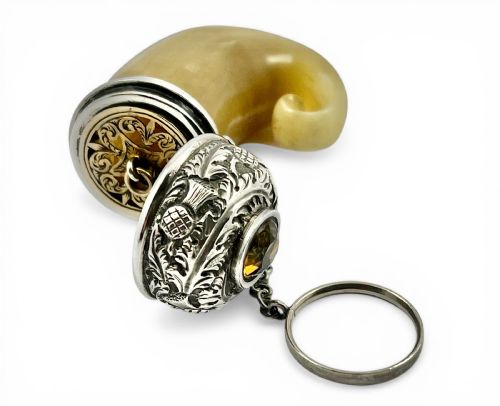
- A pocket container for snuff, traditionally fashioned from ram's horn with silver mounts and sometimes set with citrine or cairngorm stones.
- Vinaigrette
- A small ornamental box featuring an internal pierced grille that held a sponge soaked in aromatic vinegar.
- Tole ware
- Enamelled or lacquered metalware, typically iron, painted with botanical or figural scenes.
- Treen
- Small household objects made of wood, shaped by turning or carving.
- Champlevé
- An enamelling technique where troughs are carved into metal and filled with vitreous paste before firing.
Nineteenth Century Snuff Box: Frequently Asked Questions
What is a snuff mull?
A snuff mull is a specific Scottish form of pocket container, traditionally made from natural horn and finished with silver mounts.
These pieces often incorporate small gems like citrine and were carried to hold coarse tobacco blends.
How were these boxes used?
Owners carried them daily in pockets or placed them on tables for guests to take a pinch of powdered tobacco.
The hinged lids kept the contents dry and secure during travel or social gatherings.
How do I date a box?
Dating relies on material combinations, stylistic traits, and occasionally hallmarks stamped into the metal mounts.
Victorian pieces often combine horn with silver, whereas earlier Georgian items frequently use fruitwood or brass.
Are these boxes fragile?
Most specimens use durable substances like horn, hardwood, and brass that withstand careful handling.
Delicate additions such as enamel, bone inlay or thin agate panels require gentle treatment to prevent damage.