



Nineteenth Century Sconces
Nineteenth century sconces bring enduring illumination to walls through brass, bronze, and ormolu paired with candle branches.
Nineteenth Century Sconces
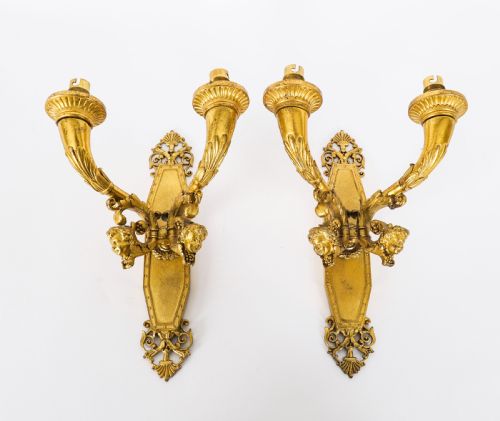
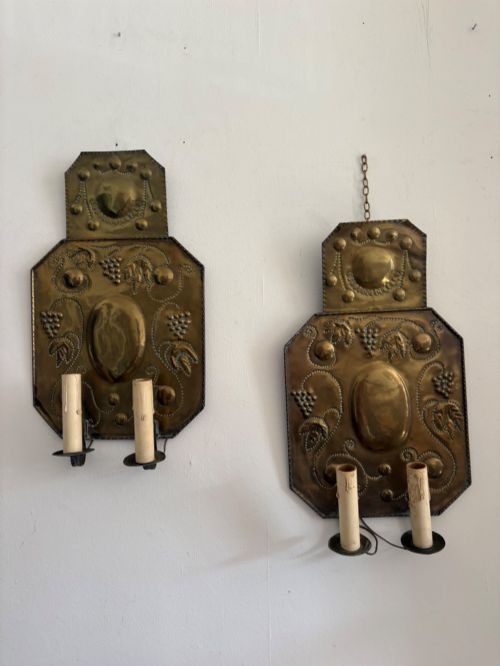
Nineteenth century sconces encompass wall-mounted lighting fixtures designed to hold candles, appearing primarily as pairs of two-branch or three-branch lights. The selection includes French revival designs alongside Dutch brass work and English pieces from the Victorian era.
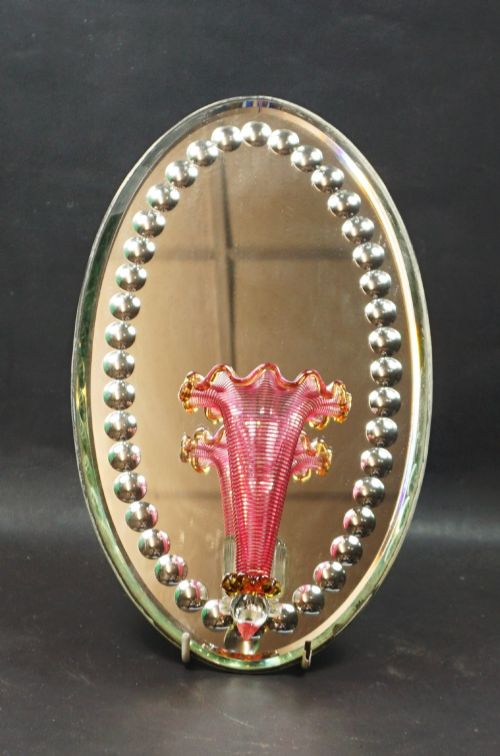
Beyond standard wall lights, related forms such as girandoles, chambersticks, and wall mirrors fitted with candle arms share space in this category. French models heavily feature classical and rococo revival motifs, while other examples display simpler metalwork.
Makers and origins span various European workshops, offering buyers a choice between ornate gilt bronze and functional brass or iron lighting. These pieces reflect the diverse aesthetic movements of the eighteen-hundreds, from Regency restraint to exuberant late-century revivals.
How they were made
Metals form the core of these pieces, utilising cast brass, ormolu, gilt bronze, and standard bronze alongside iron components and silver plating. Techniques involve repousse work for patterned brass sheets, precision casting for ormolu mounts, and hand-carving for wooden or mirrored frames.
Reflective elements incorporate bevelled glass mirror plates and polished metal backplates designed to amplify candlelight within dim Victorian rooms. Integrated porcelain figures and onyx shafts appear alongside original fittings and structural mounts.
Nineteenth Century Sconces Retail Price Guide 2026
Typical asking prices for nineteenth century sconces among the pieces listed under this phrase on Sellingantiques today, from the lower quarter to the upper quarter. They describe what is for sale here now, not the wider market.
The object types span wall lights, wall sconces, wall mirrors, candlesticks, candelabra, carriage lamps, and chambersticks.
What varies in quality
The refinement of the casting and chiseled detail separates standard production from exceptional French ormolu and gilt bronze work. Crisp definition in floral and classical motifs indicates superior artisan skill during the manufacturing process.
Originality of components, such as intact bevelled mirror plates, matching branch configurations, and untouched patination, dictates the overall integrity of each fixture.
Daris·E.G Paris·Sitzendorf
The Nineteenth Century Sconces Glossary
- Ormolu
- A gilt bronze technique involving the application of a finely ground high-carat gold-mercury amalgam to a bronze object. This process creates a rich, durable golden surface finish characteristic of fine French decorative arts.
- Repousse
- A metalworking technique where the metal is hammered from the reverse side to create a raised design in relief. Dutch brass sconces frequently employ this method for decorative backplates.
- Girandole
- An ornamental branched wall light or candelabrum equipped with a mirror to multiply the effect of the light. These fixtures combine reflective glass with functional candle arms.
- Chamberstick
- A portable candlestick featuring a shallow pan base and a handle for carrying from room to room. Nineteenth-century examples often include an integrated socket for a snuffer.
- Neo-classical
- A style drawing inspiration from the classical art and architecture of ancient Greece and Rome. This aesthetic appears on French ormolu wall lights through symmetrical proportions and urn motifs.
Nineteenth Century Sconces: Frequently Asked Questions
How do I clean nineteenth century brass sconces?
Dust gently with a soft dry cloth to preserve the existing aged patina and avoid harsh chemical polishes that strip original surface finishes.
For stubborn grime, use a slightly damp cloth with mild soap, ensuring the metal dries completely to prevent spotting.
Were these sconces electrified later?
Many surviving wall lights retain their original configuration for wax candles, while others have received careful conversion for electric wiring over the decades.
Examine the mounting points and backplates to determine whether wiring passes through original channels or if the piece remains unmodified.
How do I securely mount heavy bronze sconces?
Heavy ormolu and bronze fixtures require sturdy wall anchors suited to the specific wall construction, such as lath and plaster or solid brick.
Utilise the original mounting holes where possible, and distribute the weight securely to protect both the wall and the antique metal frame.