




Nineteenth Century Profile Portrait
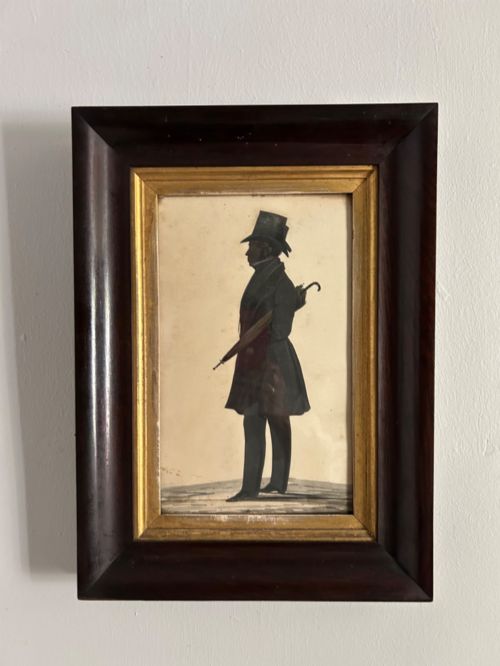
A nineteenth century profile portrait captures a likeness through silhouette, watercolour, wax or metal, offering a direct glance into the past.
Nineteenth Century Profile Portrait
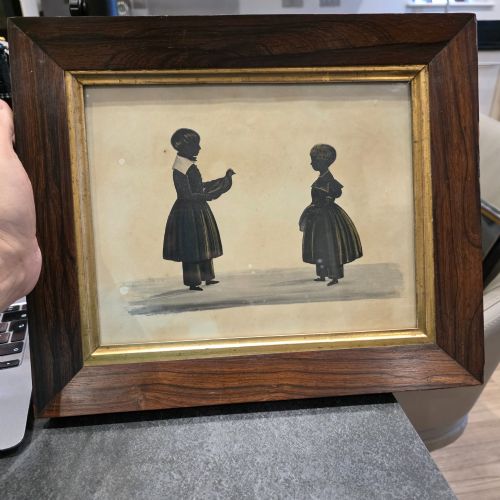
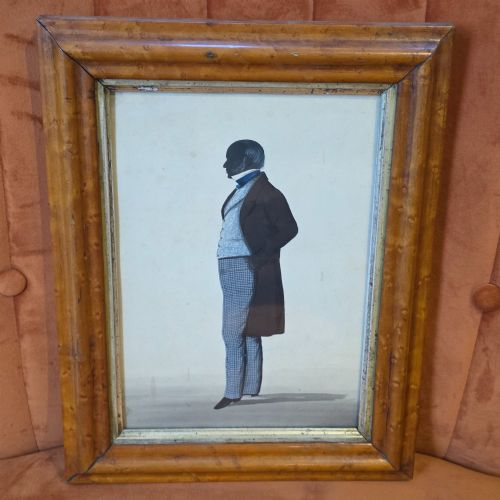
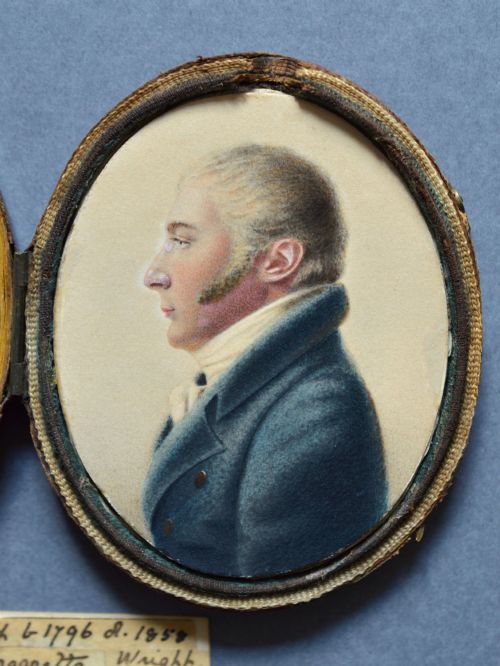
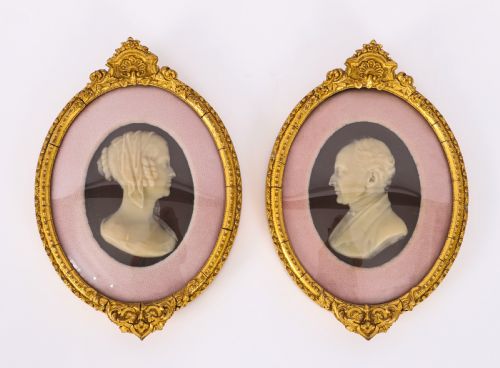
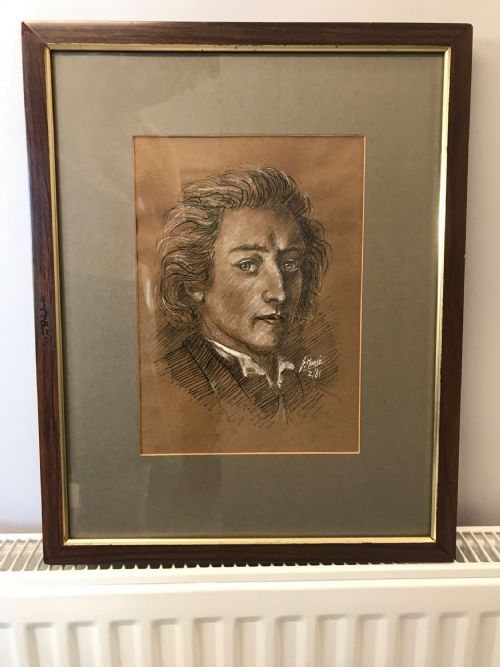
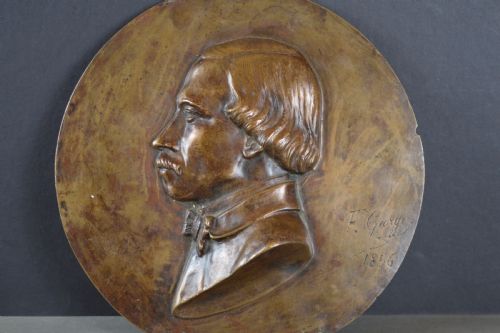
A nineteenth century profile portrait records a subject from the side, appearing in various media across the Georgian, Regency and Victorian periods. These pieces include silhouettes cut from paper, delicate watercolour paintings on card and ivory, wax relief carvings and cast metal roundels.
The silhouettes on this page range from simple framed likenesses of children and gentlemen to signed works by makers such as Frederick Frith and the Hubard Gallery. Other examples incorporate watercolour, ink, pen and gouache to render notable figures like Frédéric Chopin.
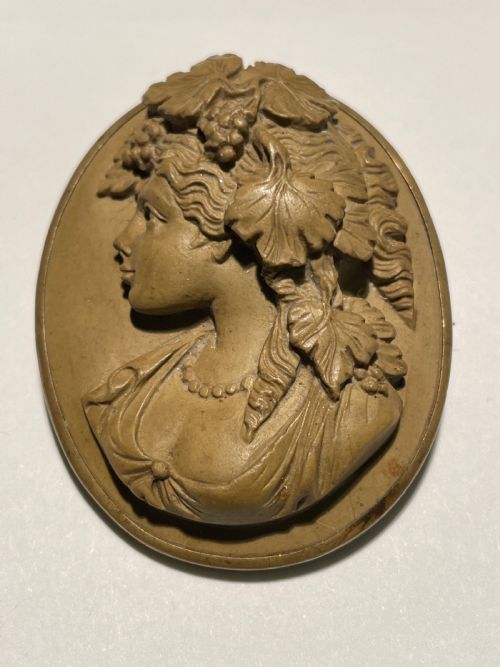
Framing is integral to these objects, with works presented behind glass in rosewood, ebonised wood, maple and turned mahogany frames. Buyers will also encounter sculptural interpretations, including bronze plaques, lava cameos and pinchbeck earrings.
Materials and execution
Artists and craftsmen employed paper, ink, watercolour, gouache and ivory for painted and drawn works, while silhouettes were hand-cut or painted directly onto card and glass. Portrait reliefs utilised wax and metal, including bronze and cast lead bronzed roundels.
Enclosure behind glass protected delicate paper and watercolour surfaces from dust and handling. Frames were constructed from rosewood, maple and ebonised wood, often incorporating brass fittings and pinchbeck wire.
Listings feature works from the Regency, Georgian and Victorian periods, utilising paper, glass, brass, wood, watercolour, ivory and bronze.
Distinctions in craftsmanship
The skill of the hand-cut silhouette or the precision of the watercolour brushwork dictates the refinement of a piece. Finer works display meticulous attention to facial contours, costume details and delicate accessories.
Materials contribute significantly to the distinction of an object, from figured maple and rosewood frames to signed works by established artists and studios.
Thomas John Horsley·Hubard Gallery·Frederick Frith·Thomas London·J Lavergne
The Nineteenth Century Profile Portrait Glossary
- Silhouette
- A portrait represented as a solid shape of a single colour, usually black, showing the profile of the subject. These were typically cut from paper or painted on card.
- Regency
- A period in British history spanning the early nineteenth century, noted for distinct neoclassical styles in art and portraiture.
- Miniature portrait
- A small-scale painting executed with fine detail, often created on ivory, card or vellum during the Georgian and Victorian eras.
- Pinchbeck
- An alloy of copper and zinc used to imitate gold, frequently found in period jewellery and decorative frames.
- Roundel
- A circular panel or plaque, used here for cast lead bronzed portraits set within turned mahogany frames.
Nineteenth Century Profile Portrait: Frequently Asked Questions
How are nineteenth century profiles usually framed?
Many profile portraits from this era sit behind protective glass within dark wood frames made of rosewood, ebonised wood or turned mahogany. Some feature maple surrounds or brass accents suited for wall display.
Smaller miniatures and silhouettes often retain their original narrow wooden or brass-bound borders, designed to hang closely together in groups.
What materials were used for these portraits?
Artists worked with a variety of materials depending on the medium, utilising paper, card, ivory, ink, watercolour and gouache for painted and drawn likenesses. Silhouettes were commonly hand-cut from dark paper or painted.
Sculptural profiles utilised wax relief, cast lead, bronze, and stone or shell in the case of cameos.
Are silhouettes from this period signed?
Some profile portraits and silhouettes bear signatures, artists' stamps or inscriptions on the reverse identifying the creator or the sitter. Prominent studios and travelling artists occasionally marked their work.
Unsigned pieces remain common, attributed instead through style, framing characteristics and period materials.
How should I care for a paper silhouette?
Paper and watercolour works require protection from direct sunlight to prevent fading of the inks and paper stock. Keeping them behind glass in stable indoor humidity preserves the fragile materials.
Avoid hanging them in damp areas or areas subject to drastic temperature shifts.