



Nineteenth Century Print
Nineteenth century print offers paper and ink works capturing decades of visual culture, bringing historical subjects directly into modern interiors.
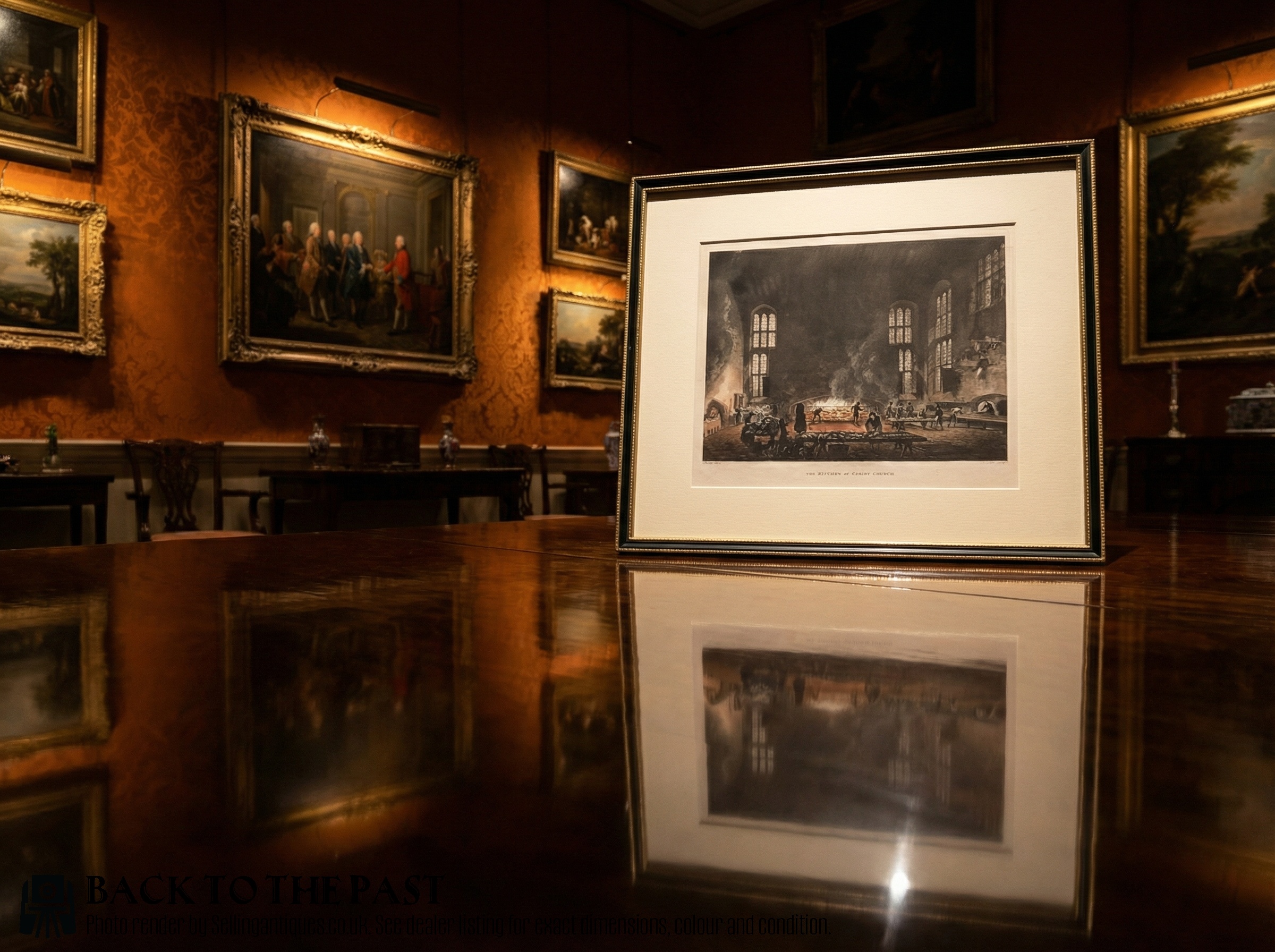
Nineteenth Century Print
A nineteenth century print encompasses works on paper produced through various mechanical and manual methods during the 19th century, including lithographs, engravings, and woodblocks. Buyers searching this phrase encounter subjects ranging from botanical illustrations and sporting scenes to architectural views and portraiture.
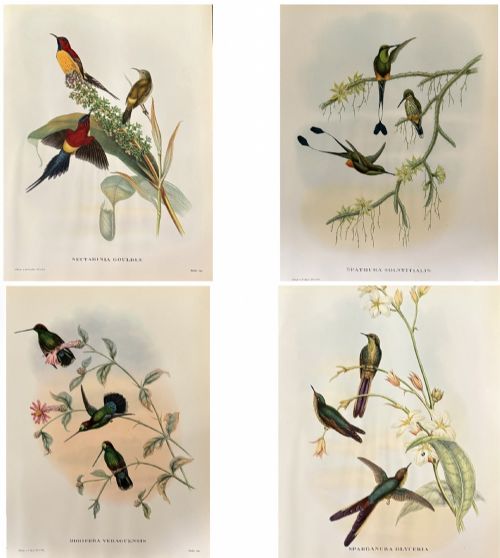
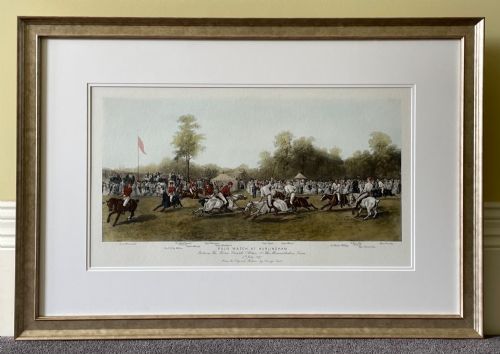
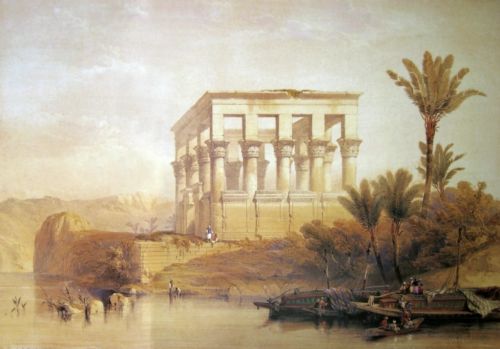
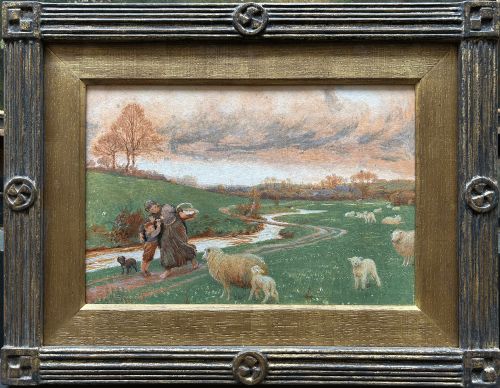
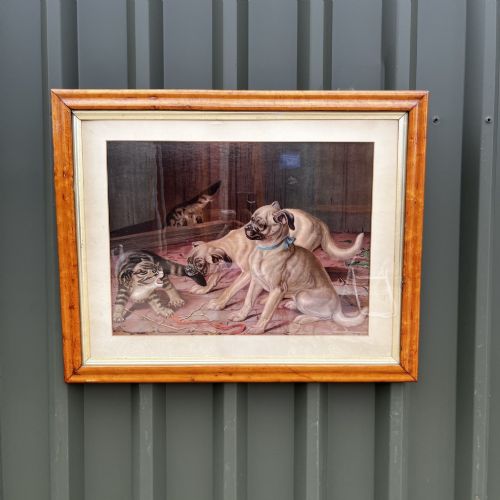
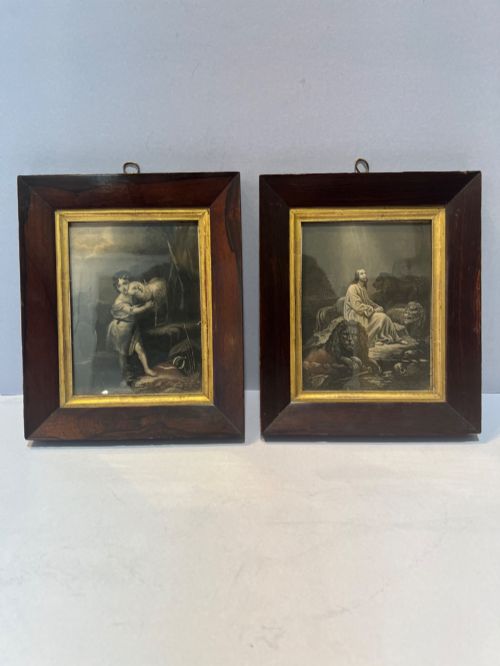
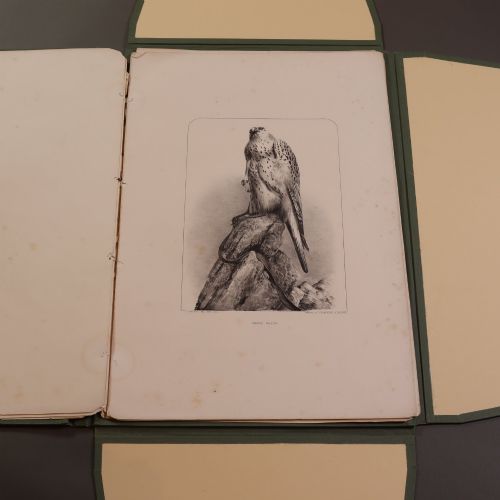
The versions most commonly met on this page include framed engravings and lithographs from the Victorian and Regency periods. These pieces frequently manifest as sets of birds, topographical views, or narrative scenes contained within period frames.
Materials and technique
Makers utilised paper as the primary support, applying ink through techniques such as lithography, copperplate engraving, and woodblock printing. Hand colouring was frequently added using watercolour or gouache to enhance the visual detail of the printed lines.
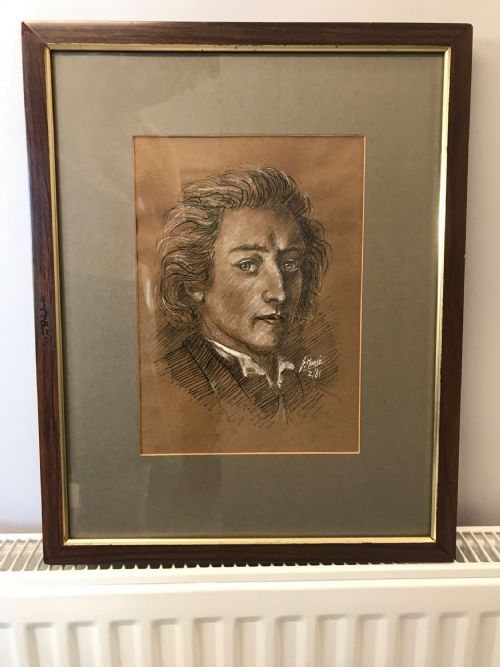
Framing materials commonly paired with these works include wood, often maple or gesso-moulded frames, sometimes incorporating glass for protection.
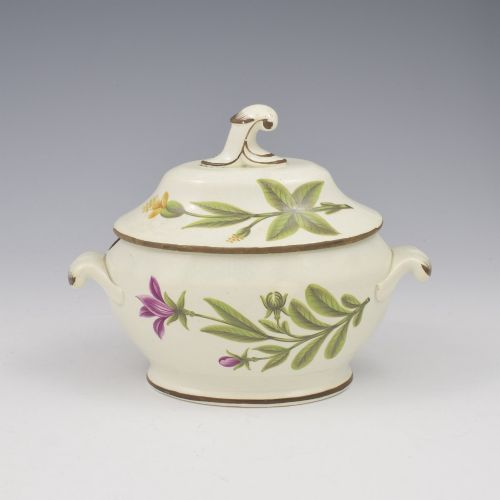
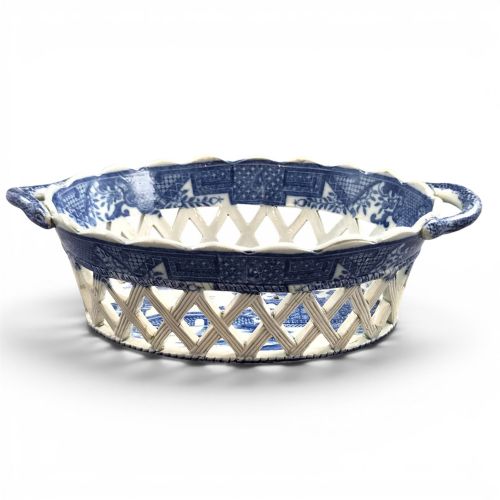
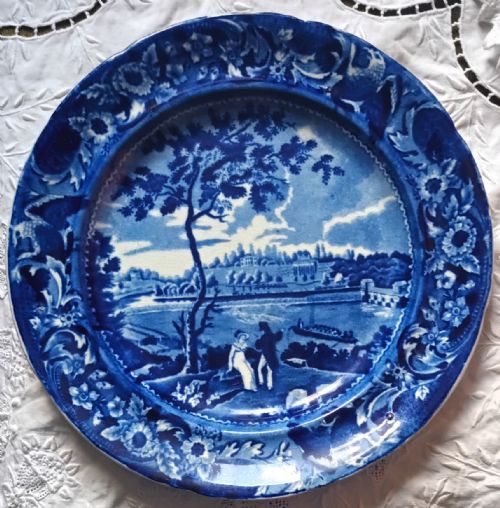
Listings feature paper, glass, wood, and earthenware, spanning periods from the Georgian era through the 19th century and into the 20th.
Factors of quality
Quality rests upon the clarity of the impression and the precision of the plate or block transfer, where sharper lines and well-preserved ink density distinguish finer examples. The presence and skill of contemporary hand colouring further elevate the standard of the piece.
Condition of the paper support, including minimal foxing or fading, alongside the originality of the frame, contributes to the overall integrity of the work.
John Rogers and Son·Thomas Lakin·Stubbs·Howard and Sons·Kitagawa Utamaro·Spode·John Hancock
The Nineteenth Century Print Glossary
- Lithography
- A planographic printing process utilising a stone or metal plate on which the image area is created using a greasy substance so that ink adheres to it.
- Engraving
- A printmaking technique where an artist carves an image into a metal plate, usually copper or steel, holding ink within the recessed lines for transfer to paper.
- Chromolithography
- A multicolour planographic printing method that builds up an image using separate stones for each pigment colour.
- Woodblock
- A relief printing method where material is carved away from a wooden block, leaving the design raised to accept ink.
- Foxing
- Brown spots and discolouration that develop on older paper due to chemical reactions over time.
Nineteenth Century Print: Frequently Asked Questions
How should nineteenth century prints be framed?
These works require conservation-grade materials with acid-free backing boards to prevent deterioration of the paper over time. Keeping them away from direct sunlight protects the ink and any applied watercolours from fading.
Matching the frame to the period of the work enhances its historical context. Simple wood or moulded frames complement the aesthetic of 19th-century interiors.
What subjects are common in these prints?
Popular themes include natural history subjects such as birds and botanical studies, alongside sporting scenes and architectural views. Narrative illustrations and portraits also appear frequently across the period.
Travel and topographical subjects reflect the Victorian interest in exploration and foreign cultures. These diverse themes allow buyers to select pieces matching specific decorative interests.
How do lithographs differ from engravings?
Lithography relies on a chemical repulsion between grease and water on a flat stone or metal surface, producing smooth tonal gradations. Engraving involves cutting lines directly into a hard plate, resulting in sharp, defined linear details.
Examining the surface with a magnifier reveals the characteristic dot pattern of lithography or the distinct impression left by an engraved plate.
Can I hang prints in a hallway?
Hallways receive foot traffic, so securing pieces firmly with appropriate wall fixings is essential. Maintaining stable environmental conditions protects the paper from moisture fluctuations.
Grouping smaller works together creates a strong visual display in narrow spaces. Ensuring they hang out of reach of direct knocks preserves the frame and glass.