


Antique Bird Lithographs
Antique bird lithographs bring the colour and detail of historical natural history straight to your walls.
Antique Bird Lithographs
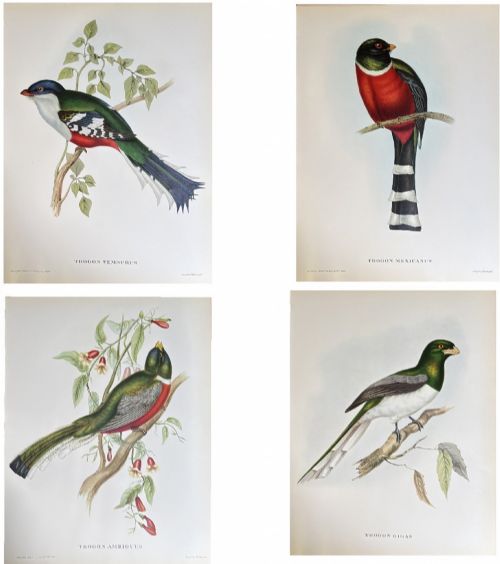
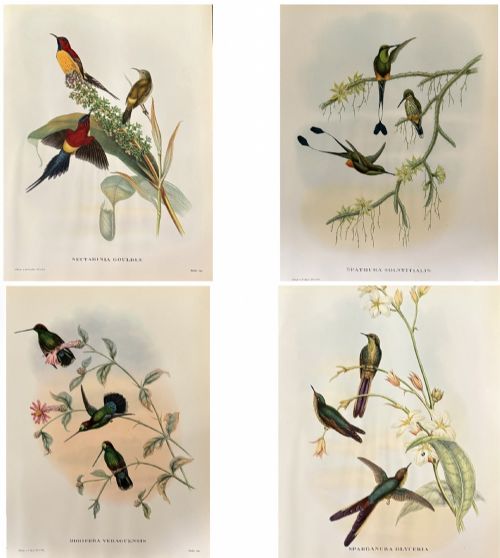
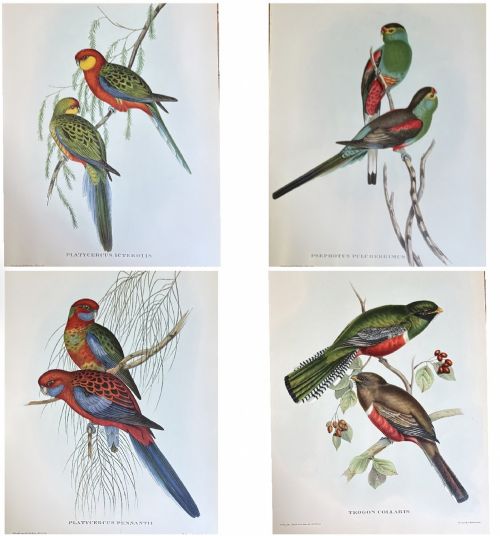
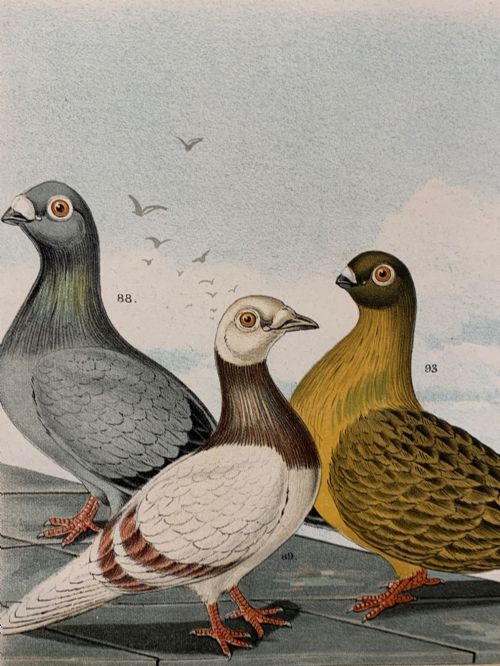
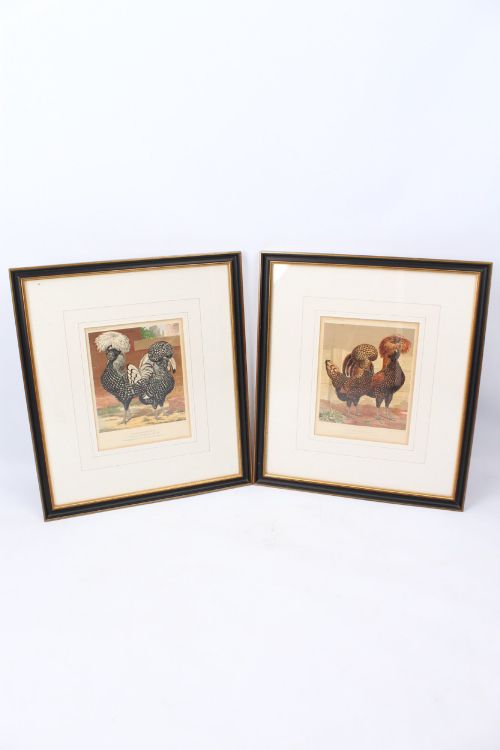
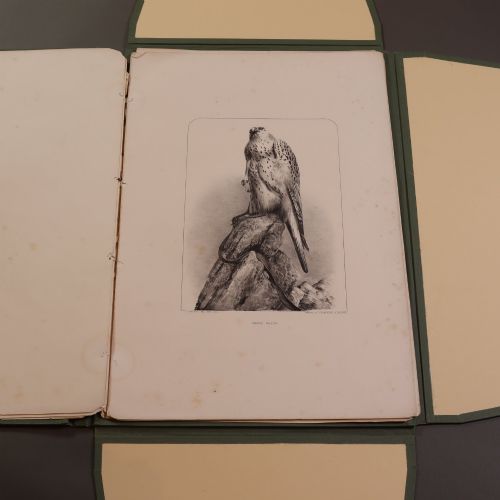
When you search for antique bird lithographs, you are looking at printed works that capture avian subjects through stone printing techniques, often featuring hand colouring. These prints span the Regency, Victorian, and later periods, showing everything from tropical parrots to pigeon breeds and chickens. They arrive either framed under glass or as unframed paper sheets ready for mounting.
You are most likely to meet Victorian and mid-twentieth-century prints on this page, including sets of tropical subjects after Gould and nineteenth-century studies of chickens or pigeons. Some pieces appear as individual plates, whilst others survive as sets of four or six. Their forms range from simple art prints on paper to framed wall art with wood and gold leaf mouldings.
The styles recorded across these listings lean heavily towards nineteenth-century natural history and Victorian naturalism. Alongside direct lithographic prints, the evidence also includes related ornithological studies and engravings by named figures such as Edward Lear and John Hancock. They offer a window into how past naturalists and artists recorded bird life.
How they were made
The primary materials recorded in these listings are paper, ink, and watercolour, often complemented by board and cloth supports. Lithography relies on the antipathy of grease and water to transfer an inked image from a stone matrix onto paper. Artisans frequently applied watercolour by hand after printing to bring out the bright plumage of parrots and tragopans.
Framed examples utilise wood and gold leaf for their mouldings, protecting the paper surface beneath glass. This combination of traditional printing, watercolour application, and period framing defines the physical nature of these pieces.
What varies in quality
Quality in these prints depends upon the crispness of the initial impression and the skill of the hand colouring applied to the plumage. Finer examples retain vibrant tones in the watercolour without fading or staining across the paper ground. Complete sets that have survived together maintain higher consistency than mismatched sheets assembled later.
The quality of the framing materials also plays a part, with period wood and gold leaf mouldings elevating the presentation of nineteenth-century plates. Stronger artistic attribution, such as the work associated with Gould or Edward Lear, sets certain groups apart from anonymous ornithological studies.
John Hancock·Edward Lear
The Antique Bird Lithographs Glossary
- Lithograph
- A print produced by drawing an image on limestone or metal with a greasy medium, then applying ink to adhere only to the drawn areas. This technique allowed for faithful reproduction of fine lines and tonal gradations.
- Hand colouring
- The application of watercolours or other pigments by hand to a printed outline. This process gave natural history plates their lifelike hues.
- Ornithological study
- A detailed artistic or scientific representation of birds. These plates often recorded specific species with anatomical accuracy.
- Regency
- The period in British history spanning the early nineteenth century, known for distinct decorative arts and classical restraint. Prints from this era often carry a refined Regency aesthetic.
Antique Bird Lithographs: Frequently Asked Questions
How should I frame antique bird lithographs?
Protect the paper by using acid-free mounts and framing them behind glass to prevent environmental damage. Keeping them away from direct sunlight preserves the hand-applied watercolour pigments.
Matching the period of the frame to the era of the print, such as Victorian wood or gold leaf, enhances the overall appearance on the wall.
Are these prints original nineteenth-century works?
The listings include pieces from various periods, ranging from the Regency era and the nineteenth century through to mid-twentieth-century print sets. Checking the listed period and material details helps confirm the age of each individual piece.
Techniques like stone lithography and hand colouring are typical of the older examples found in these records.
Can I buy them as complete sets?
Several listings feature sets of four or six prints, particularly tropical bird subjects and pigeon breeds. Buying a matched set provides a cohesive look for hanging together on a wall.
Individual plates and pairs also appear frequently for those seeking a single focal point.
What subjects are most common?
The selection covers a broad range of avian life, including tropical birds, chickens, pigeons, and specific species like the western tragopan. Ornithological studies and broader natural history scenes also feature.
These subjects reflect the Victorian and nineteenth-century fascination with cataloguring the natural world.