





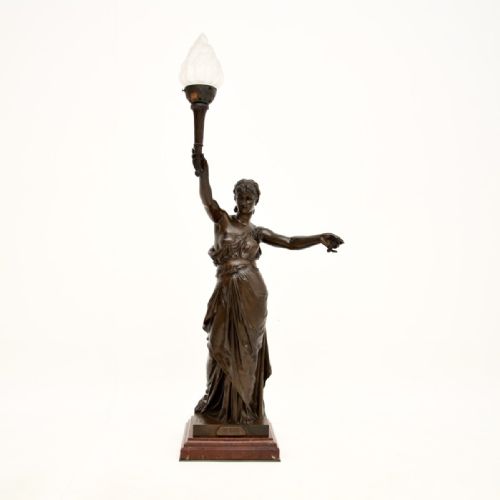
Nineteenth Century Light Fixture
A nineteenth century light fixture brings genuine period character and warm illumination to high ceilings.
Nineteenth Century Light Fixture
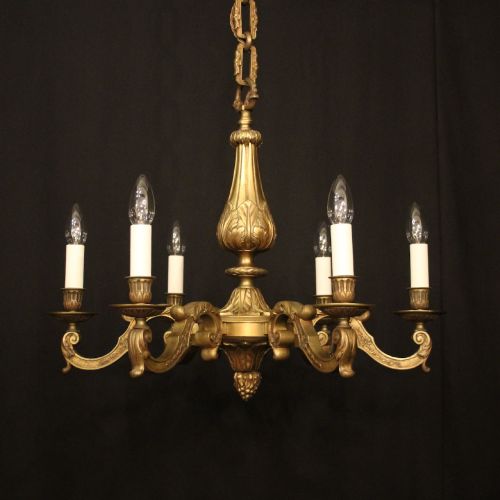
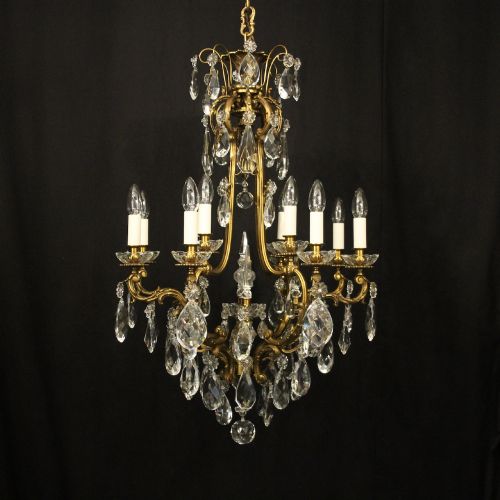
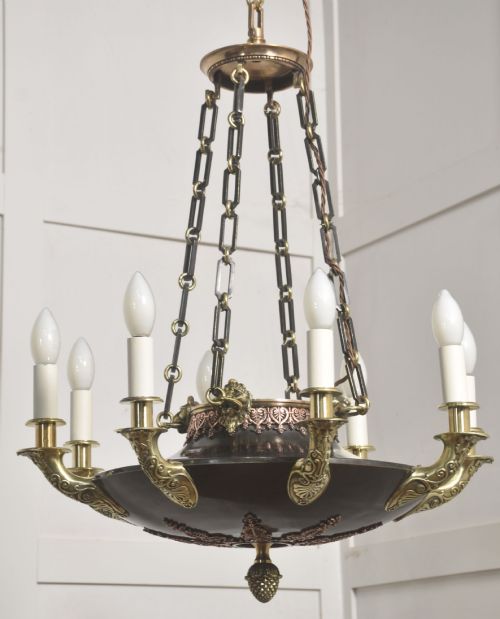
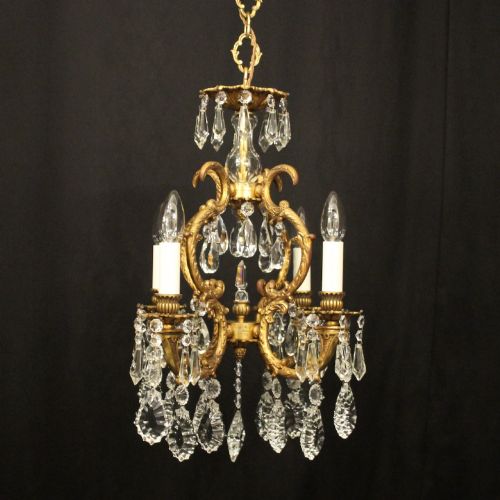
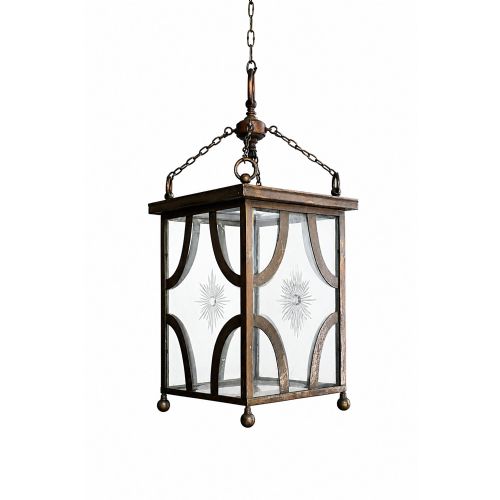
A nineteenth century light fixture encompasses an array of overhead lighting, from elaborate French chandeliers to substantial English hallway lanterns. Buyers searching for a nineteenth century light fixture typically encounter items spanning the 19th century up to the 1920s, reflecting diverse historical revivals.
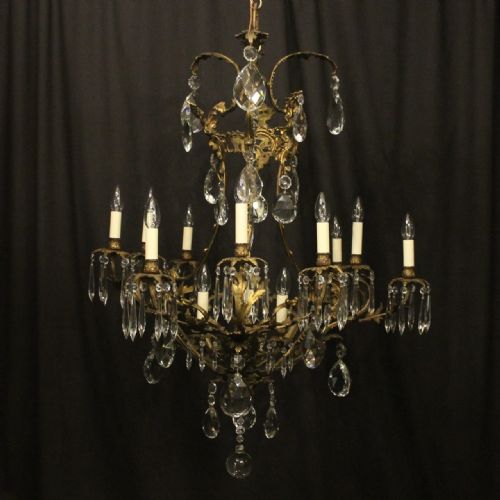
The selection ranges from grand multi-light crystal and gilt bronze centerpieces to simpler pierced brass pendant lights and cast iron ceiling fixtures. Originating from workshops across France, Sweden, and England, these pieces illustrate distinct regional tastes in domestic illumination.
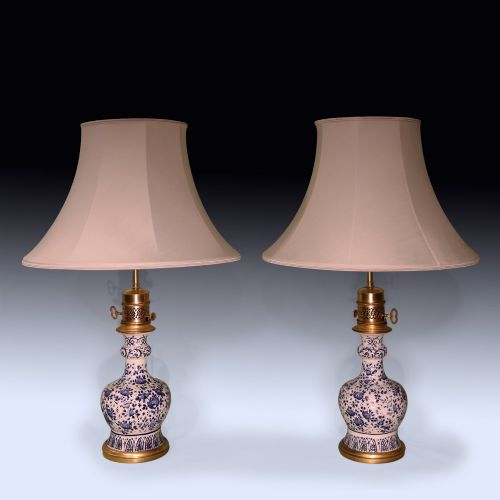
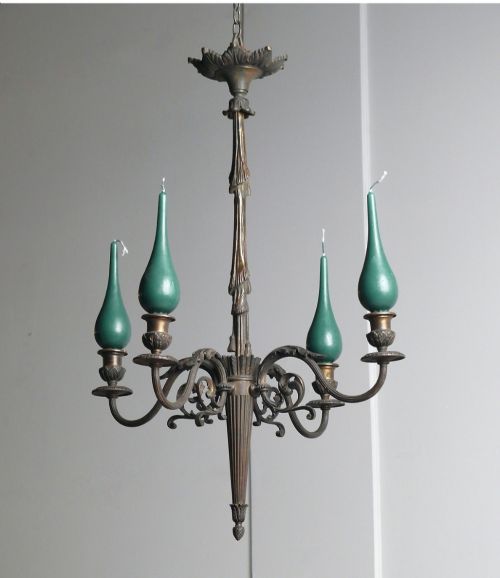
Forms vary significantly, including chandeliers with three to twelve arms, specialised colza hanging lights, and occasional sculptural table lamps. Each object represents the lighting technology and aesthetic priorities of its specific decade, utilising materials suited to both grand reception rooms and functional hallways.
How They Were Made
The construction of these fixtures relies heavily on cast and pierced metals such as brass, gilt bronze, copper, and iron. Metalwork forms the structural skeleton and decorative body, often combined with patinated surfaces or ebonised details.
Illumination hardware incorporates delicate glass elements, including frosted glass panels, moulded shades, and hand-cut crystal drops. These translucent components are assembled alongside metal armatures to refract and diffuse light effectively throughout a space.
Nineteenth Century Light Fixture Retail Price Guide 2026
Typical asking prices for nineteenth century light fixture among the pieces listed under this phrase on Sellingantiques today, from the lower quarter to the upper quarter. They describe what is for sale here now, not the wider market.
Listings feature brass, gilt bronze, glass, and cast iron across periods from the mid-nineteenth century through the 1920s.
What Varies in Quality
The refinement of the casting and chasing distinguishes superior metalwork from standard production, particularly in gilt bronze and brass components. Finer examples display crisp botanical or architectural detailing and substantial material weight.
The grade and completeness of the glass or crystal elements alter the overall impact of the piece. High-quality fixtures integrate well-cut crystal prisms and carefully formed shades that retain their original clarity and mounting hardware.
Jean-Jules Cambos
The Nineteenth Century Light Fixture Glossary
- Chandelier
- A branched ceiling-mounted lighting fixture designed to hold multiple candles or bulbs. These large pieces usually form the decorative focal point of a principal room.
- Gilt Bronze
- Bronze metal that has been coated with a thin layer of gold or gold-coloured alloy. This technique provides a durable metallic sheen characteristic of high-status French pieces.
- Colza Hanging Light
- An oil-burning suspension lamp utilising colza oil for fuel before widespread electrification. These fixtures often feature sophisticated mechanical reservoirs and counterweights.
- Hall Lantern
- An enclosed hanging light traditionally placed in entrance halls or corridors. They protect the flame or bulb from drafts while casting downward illumination.
- Cut Glass
- Glass decorated by grinding and polishing facets onto the surface to enhance light refraction. It appears frequently on arms, bobeches, and hanging pendants.
Nineteenth Century Light Fixture: Frequently Asked Questions
How do I hang a heavy nineteenth century light fixture?
Suspended lighting from this era requires secure attachment to structural ceiling joists rather than standard plaster. Professional installation ensures the weight of cast bronze and iron is safely supported.
Electrical wiring must also be modernised to meet current safety standards while preserving the visible exterior components of the original fixture.
What rooms suit a large antique chandelier?
Grand multi-arm chandeliers require high ceilings and proportionate room dimensions to look their best. They function effectively in reception rooms, dining spaces, and spacious entrance halls.
Smaller pendant lights and lanterns offer a suitable alternative for lower ceilings or more compact corridors.
How do I clean crystal and glass components?
Regular dusting with a soft cloth maintains the clarity of glass shades and crystal drops. For deeper cleaning, components should be carefully removed and washed in warm soapy water.
Harsh chemical cleaners must be avoided to protect antique metal finishes and original gilding.
How do I identify French Empire style?
French Empire pieces draw inspiration from classical antiquity, featuring formal symmetry and military motifs. Common decorative elements include laurel wreaths, sphinxes, and classical urns rendered in gilt bronze.
This aesthetic dominated early nineteenth-century lighting design and returned in later revival periods.