
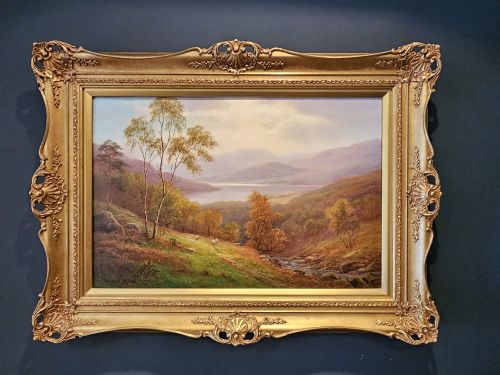
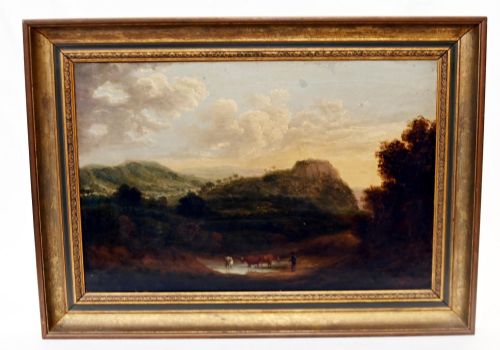
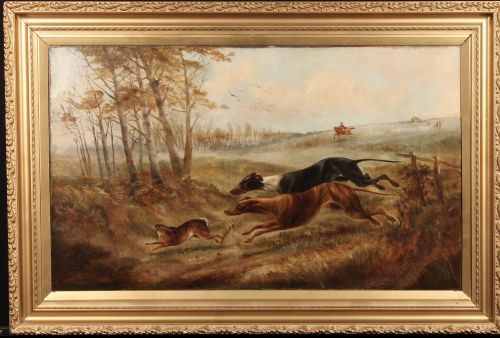
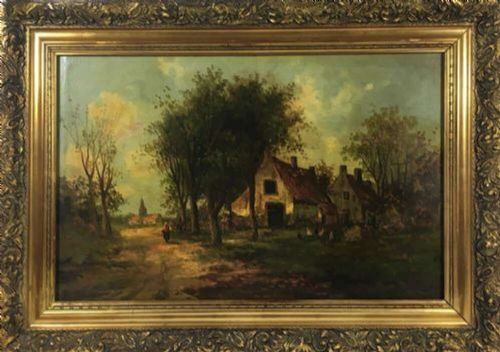


Nineteenth Century Landscape Canvas
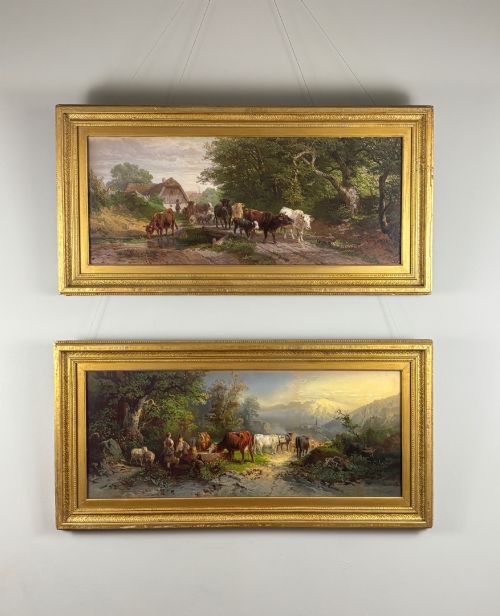
Nineteenth century landscape canvas works capture rural and coastal vistas through oil paint applied directly to woven fabric.
Nineteenth Century Landscape Canvas
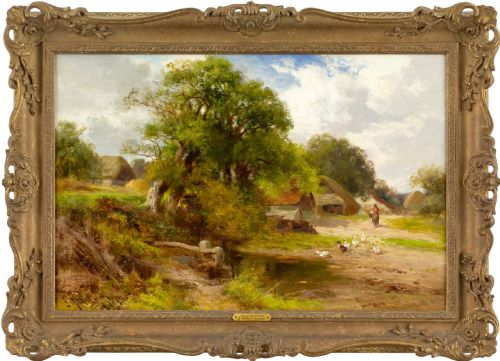
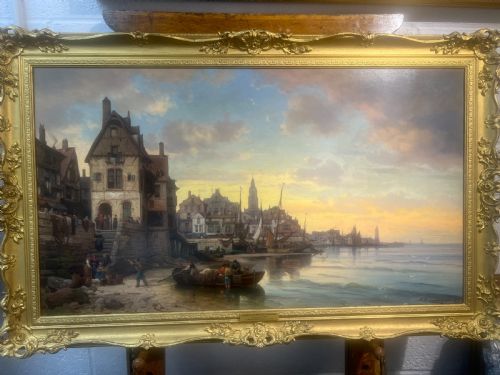
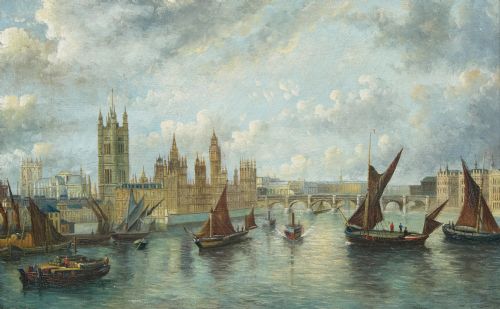
A nineteenth century landscape canvas brings historical views into modern spaces, typically featuring pastoral scenes, rivers, farmyards, and coastal waters.
The selections span the nineteenth century into the early twentieth century, incorporating Victorian, Post-Impressionist, and Barbizon School approaches.
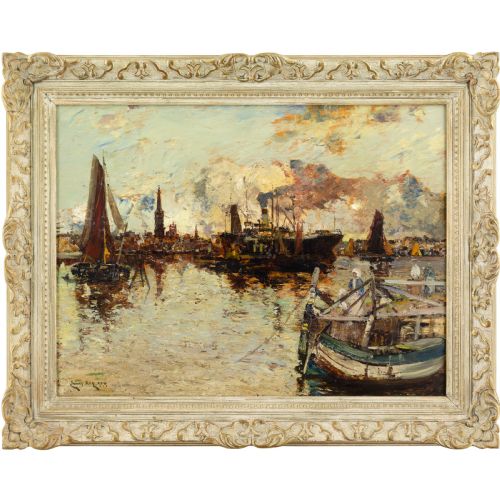
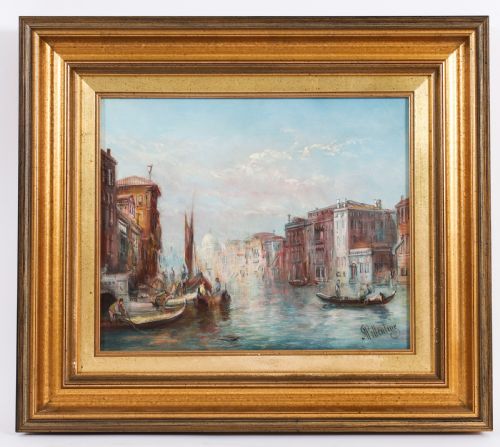
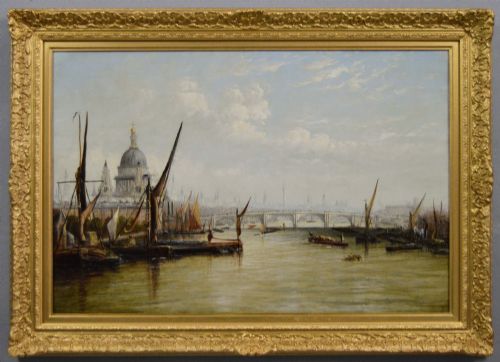
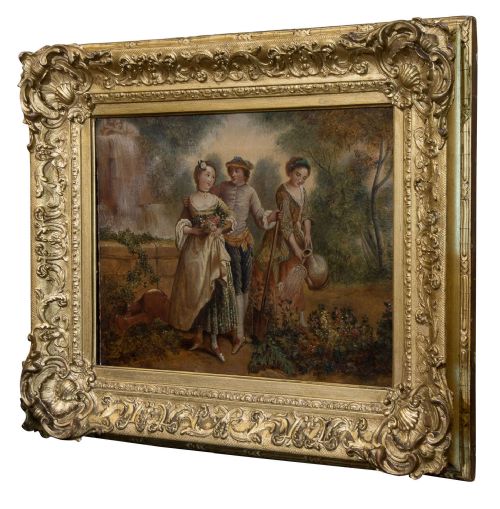
Most examples consist of oil paint on canvas, frequently retained within period wooden frames adorned with gesso and gold leaf.
How they were made
Artists built these compositions using oil paint spread across stretched woven canvas, allowing for textured brushwork and layered colour application.
Many works incorporate moulded gesso beneath layers of gold leaf on wooden frames, providing structural support and decorative surrounds.
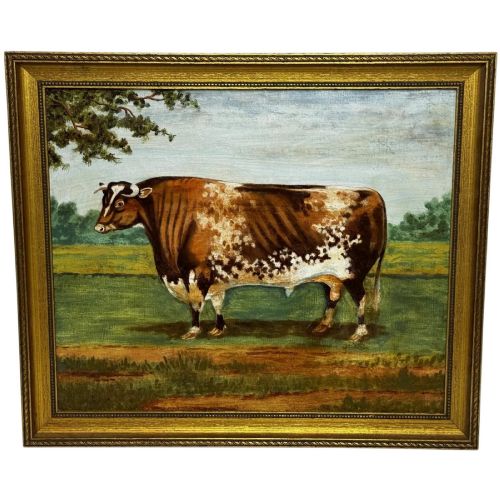
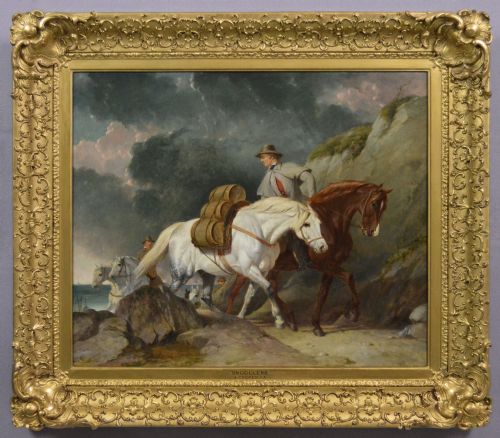
Several canvases swap grand historic events for quiet moments involving prize bulls, stray ducks, and coastal smugglers.
What varies in quality
The standard of a painting depends upon the handling of light, brushwork precision, and the depth achieved within the natural scenery.
Frame construction also differs, with hand-carved giltwood and gesso surrounds contrasting against simpler wooden mouldings.
James Kay RSW·Alfred Pollentine·Francis Moltino·John Horace Hooper·Charles Euphraisie Kuasseg·Abraham Cooper RA·Paul Désiré Trouillebert·Johann Friedrich Voltz·Jean-Baptiste Olive·Thomas Edward Roberts·Henry Hillier Parker·William Barraud·Henry John Yeend King·Andre de Moller·Sidney Richard Percy·Robert John Hammond·Willem Anton Alexander Knip·Giulio Cecchini·Heinrich Harder·William Greaves·Charles Malfroy·Arthur Longley Vernon·J Barclay·Alphonse Robert·Arthur Winter Shaw
The Nineteenth Century Landscape Canvas Glossary
- Oil on Canvas
- Pigment mixed with drying oil applied to a stretched textile support. This combination allowed artists to blend tones smoothly and build thick textured passages.
- Gesso
- A plaster mixture applied to wood before gilding or painting. It provides a smooth surface for laying down gold leaf on picture frames.
- Barbizon School
- A French art movement focused on realistic landscape painting. Practitioners worked outdoors to capture natural light and rural atmospheres.
- Post-Impressionism
- An artistic development extending Impressionist techniques with greater emphasis on symbolic content and expressive brushwork. It followed the initial nineteenth century realist traditions.
- Giltwood
- Wood carved and coated with gold leaf or gold paint. It forms the decorative border surrounding many period paintings.
Nineteenth Century Landscape Canvas: Frequently Asked Questions
How do I clean a nineteenth century canvas?
Surface dust accumulates on oil paintings over decades, requiring gentle removal with a soft dry brush.
Professional conservators should handle deeper cleaning or varnish removal to prevent damaging the underlying pigment.
Where should I hang these landscape paintings?
Display these works away from direct sunlight and damp conditions to protect the canvas and wooden frame.
Stable indoor temperatures prevent the paint and gesso from cracking over time.
How can I tell the period of a frame?
Period frames often display hand-moulded gesso details and corner joins that reflect nineteenth-century carpentry methods.
Later replacements usually show machine-cut precision or modern synthetic bonding agents.
What subjects are most common?
Rural farms, river valleys, and coastal harbours dominate the scenery captured by artists of this era.
Animals, figures, and domestic livestock frequently inhabit these pastoral settings.