


Nineteenth Century Iron
Nineteenth century iron brings robust utility and sculptural presence into interiors through beds, garden furniture, and fireplace fittings crafted during the Victorian era.
Nineteenth Century Iron
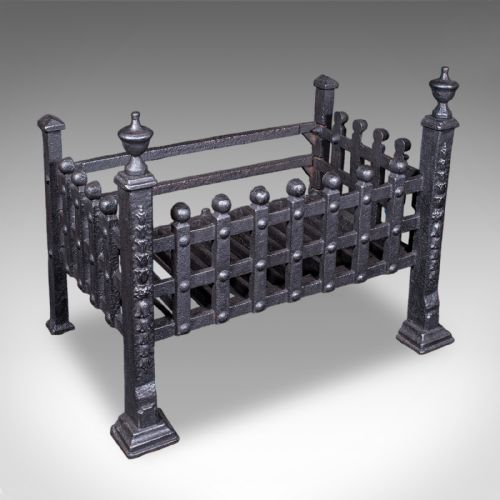
Nineteenth century iron encompasses a diverse array of utilitarian and decorative objects, ranging from heavy architectural elements and garden furniture to household fittings and bedroom frames. Buyers searching for nineteenth century iron frequently encounter domestic items such as beds combining iron with brass, fire baskets, and stick stands, alongside substantial outdoor pieces like urns and tables.
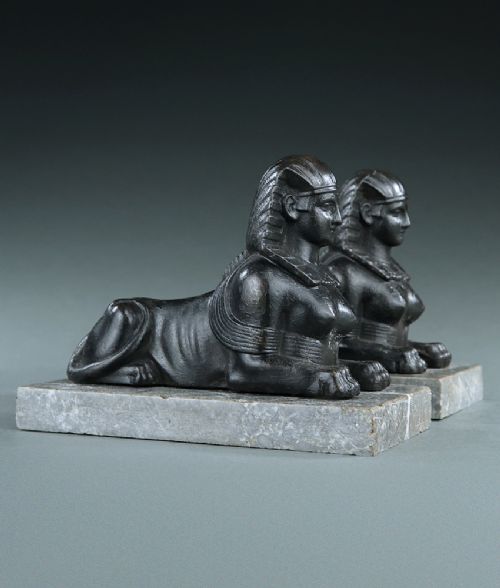
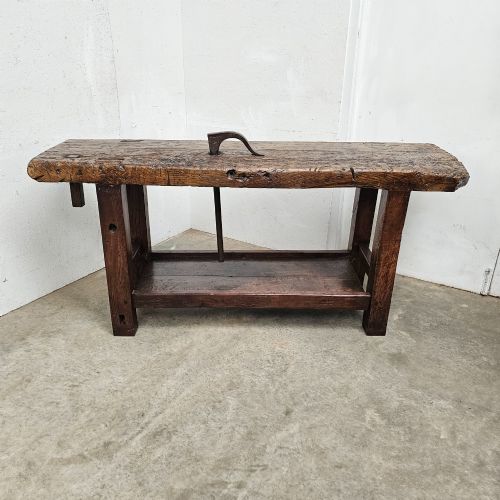
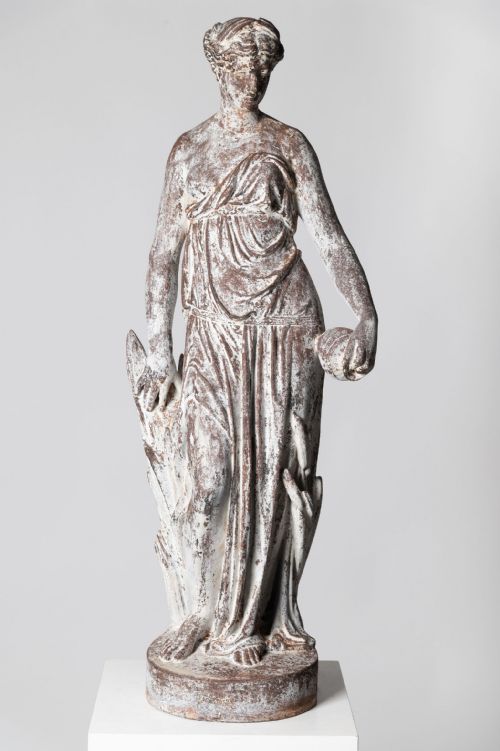
The selections span various periods including the Victorian era, Georgian times, and the Meiji period, reflecting both British craftsmanship and French design influences. Forms vary from functional workshop benches and grocer scales to decorative sphinxes, candle holders, and foundry statues.
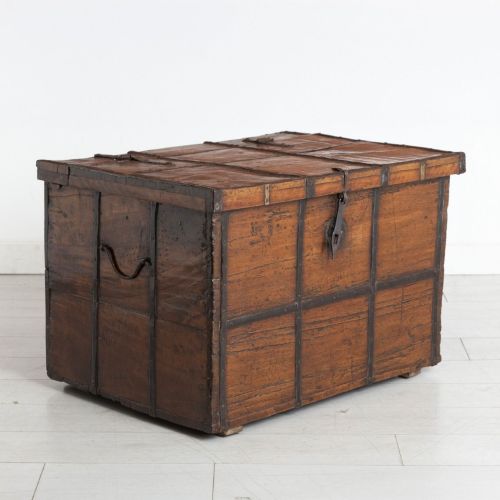
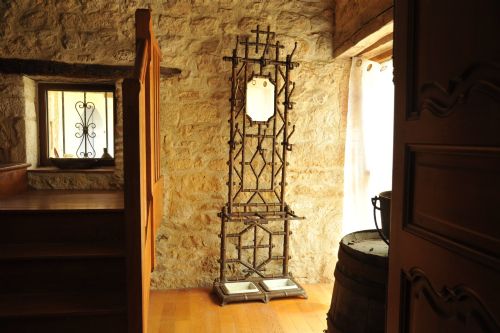
Originating from commercial workshops and noted foundries, these objects demonstrate the industrial capability of the nineteenth century. Whether utility trunks bound in metal or elaborate hall stands, the items merge structural strength with period decorative styles.
How they were made
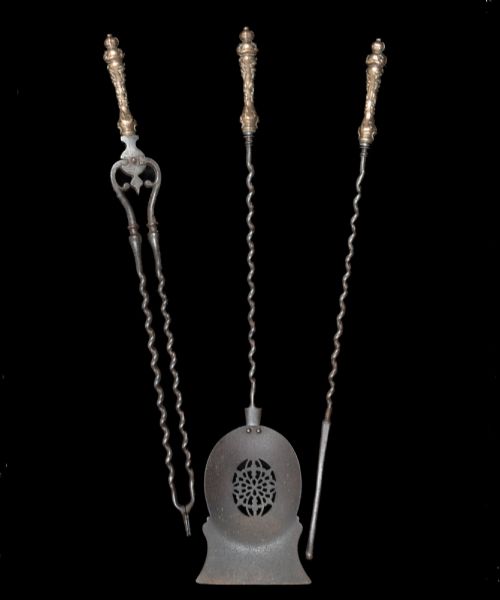
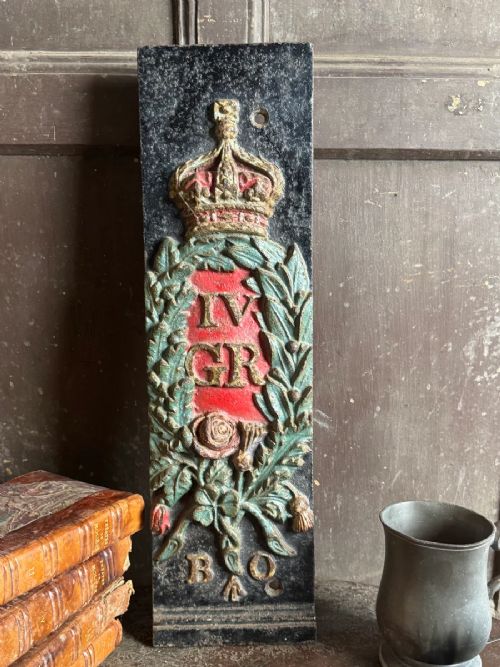
Production relied heavily on cast iron and wrought iron, frequently paired with brass, copper, steel, and wood to create both heavy garden ornaments and domestic furniture. Foundries poured molten metal into intricate moulds for decorative statues, urns, and architectural plaques, while blacksmiths shaped wrought iron for fire grates, hearth sets, and structural bands.
Secondary materials such as paint, enamel, porcelain, and leather augmented the primary metals, appearing on items like architectural plaques, trunks, and trays. Many objects integrate hand-forged elements with machined components, reflecting the transitional manufacturing techniques of the period.
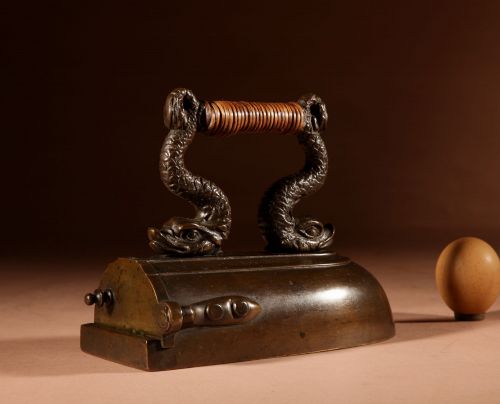
A cast iron paperweight shaped for bills offers a heavy-handed solution to domestic admin.
What varies in quality
Quality in these metal objects depends upon the definition of the casting and the crispness of decorative detailing, particularly on foundry pieces like garden urns, animal sculptures, and stick stands. Finer examples display sharp relief work and careful finishing that retain the intended form of the design.
The integrity of the construction and the harmonious combination of mixed materials, such as iron frames fitted with brass mounts or wooden elements, distinguish superior examples from standard utilitarian wares. Maker attribution, such as foundry marks or patent origins, further elevates the status of specific pieces.
Parkes & Hadley·Val d’Osne foundry·Seabrook of St.Pauls·Carron Foundry
The Nineteenth Century Iron Glossary
- Cast iron
- Iron poured into a mould to create rigid objects with complex shapes. This technique produced garden urns, furniture frames, and architectural plaques during the nineteenth century.
- Wrought iron
- Iron heated and hammered into shape by a blacksmith. This material provided strength for fire baskets, structural bands on trunks, and stick stands.
- Andirons
- Supports used to hold logs in an open fireplace. These metal fixtures frequently appeared in matched pairs alongside fire irons during the Victorian period.
- Orrery
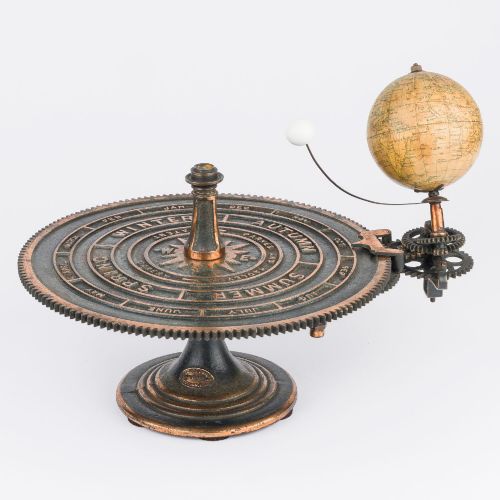
- A mechanical model of the solar system. These scientific instruments incorporated metal gearing to demonstrate the relative positions and motions of planets.
- Pricket
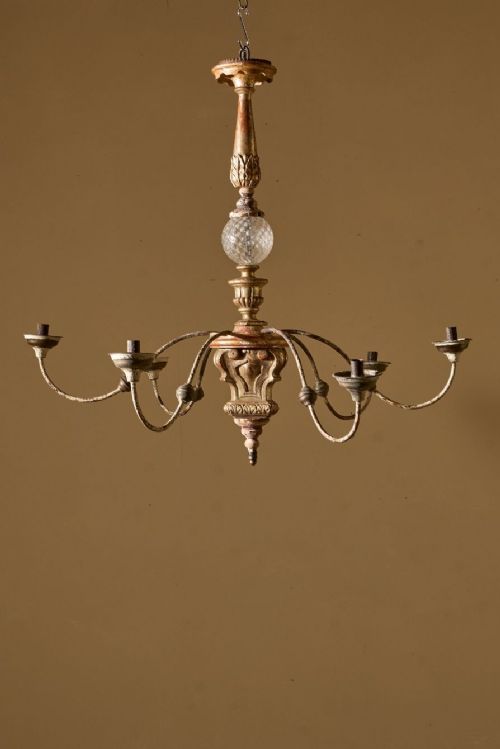
- A sharp metal spike on a candlestick or chandelier designed to hold a candle in place. This form appears on nineteenth century lighting fixtures.
Nineteenth Century Iron: Frequently Asked Questions
How do I clean nineteenth century iron furniture?
Maintenance typically involves removing surface dust with a dry brush and applying a light microcrystalline wax to protect the metal without altering its finish.
Avoid using harsh chemical cleaners or water, which can damage painted surfaces, exposed steel components, or joined wooden sections.
Can iron garden urns stay outside all year?
Most nineteenth century cast iron urns withstand outdoor conditions due to their dense and durable composition. Placing them on stone bases prevents moisture absorption from damp ground.
Checking local weather extremes helps determine whether vulnerable painted or enamelled surfaces require winter shelter.
How do I identify a Victorian iron bed?
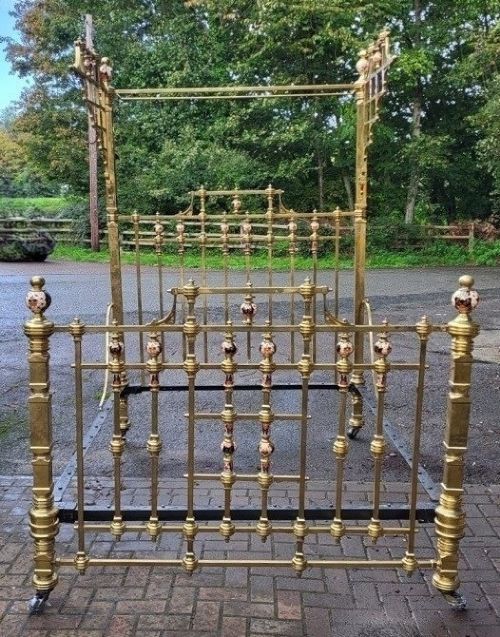
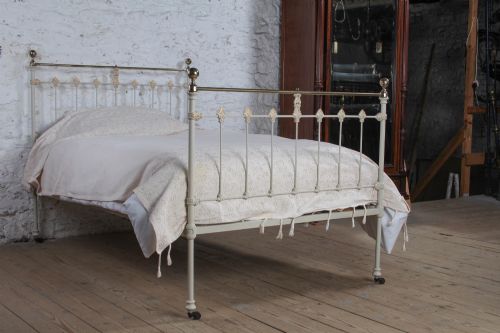
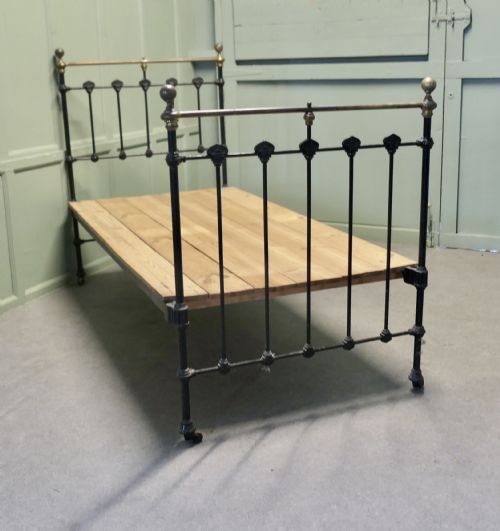
Victorian bed frames often combine iron structural tubing with brass mounts, cast finials, and decorative iron collars. Many feature folding mechanisms or stamp marks from period ironmongery manufacturers.
Sizes vary from single models to king size half tester beds, distinguishing domestic sleeping quarters of the nineteenth century from modern standards.