




Patinated Bronze Iron
Patinated bronze iron objects bring tactile weight and dark metallic depth to a room, spanning grand French chenets and sturdy industrial console tables.
Patinated Bronze Iron
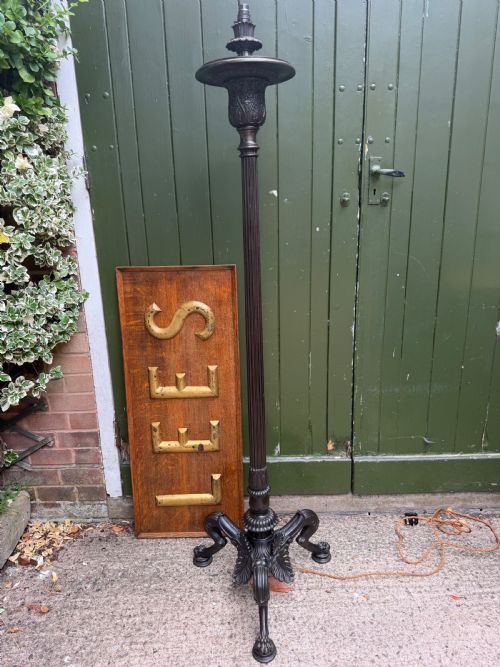
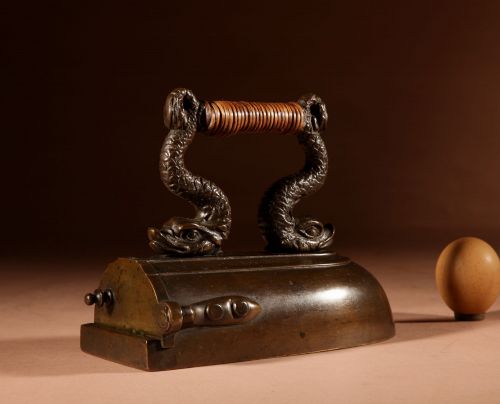
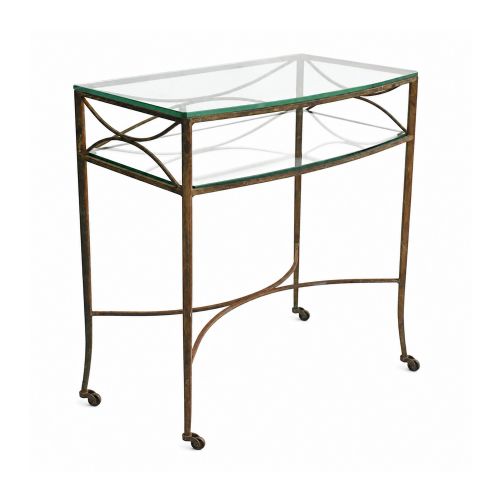
When you search for patinated bronze iron, you encounter a robust mix of heavy metalware and sculptural works originating from the seventeenth century through to the early twentieth century. These pieces encompass domestic items and furnishings such as andirons, standard lamps, cauldrons, console tables, and dinner gongs.
The selection on this page most frequently highlights nineteenth-century items alongside earlier continental examples. French and Russian influences appear strongly among the decorative figures and fireside accessories, while simpler industrial forms demonstrate utilitarian design from later periods.
How they were made
The manufacture of these objects relies heavily on casting and forging techniques, utilising cast iron, wrought iron, and bronze. Makers employed skilled founding methods to produce both the structural frames of furniture and detailed figurative sculptures.
Surface finish is central to the construction, with applied patination, ormolu accents, and gilt bronze details enhancing the texture of the base metals. Glass and bronze patina finishes are also integrated into specific lighting and decorative objects.
Listings feature items from the 17th century up to the 1920s, utilising bronze, cast iron, wrought iron, and ormolu.
What varies in quality
The integrity of the surface patination significantly influences the character of each piece. Finer works retain an undisturbed interplay between the dark iron and warmer bronze tones, whereas lesser pieces show uneven wear or loss of original surface detail.
Unno Shomin
The Patinated Bronze Iron Glossary
- Patinated
- Having a surface sheen or colour developed through age and chemical treatment. This finish gives old metal a rich, darker tone.
- Ormolu
- Finely ground high-carat gold applied to bronze objects. It provides bright golden highlights against darker patinated metals.
- Andirons
- Horizontal metal supports used in open fireplaces to raise logs for better burning. They often feature decorative cast fronts.
- Okimono
- A Japanese freestanding decorative figurine. These carved or cast metal objects were designed for display in domestic interiors.
- Chenets
- French firedogs used for supporting wood in a hearth. They frequently incorporate classical or figural bronze decoration.
Patinated Bronze Iron: Frequently Asked Questions
What are patinated bronze iron items?
These are heavy metal objects and furnishings made from iron and bronze, often given a dark or aged surface finish. They include functional hearth equipment, lighting, and decorative sculptures.
The materials provide immense durability and a distinct tactile presence that suits both traditional and industrial interiors.
How do I use andirons?
Andirons sit inside an open fireplace to hold logs above the hearth floor, allowing air to circulate underneath for a cleaner burn. Pairs are placed facing outward into the room.
Because many surviving pairs possess fine decorative fronts, collectors frequently display them unlit or within decorative period fireplaces.
How are different periods identified?
Dating relies on stylistic clues, manufacturing techniques, and the characteristic forms popular during specific eras. Seventeenth-century items often show heavier hand-wrought construction, while nineteenth-century pieces frequently adopt neoclassical or French Empire aesthetics.
Examining the depth of the bronze patina and the method of casting helps narrow the date of manufacture.
Where do these metal objects fit at home?
They suit living spaces, studies, and hallways where their substantial weight and dark metallic tones anchor the room. Fireside accessories naturally complement traditional hearths, while console tables and standard lamps integrate easily into varied room schemes.
Placing them away from damp environments helps preserve the integrity of the original metal surfaces.