



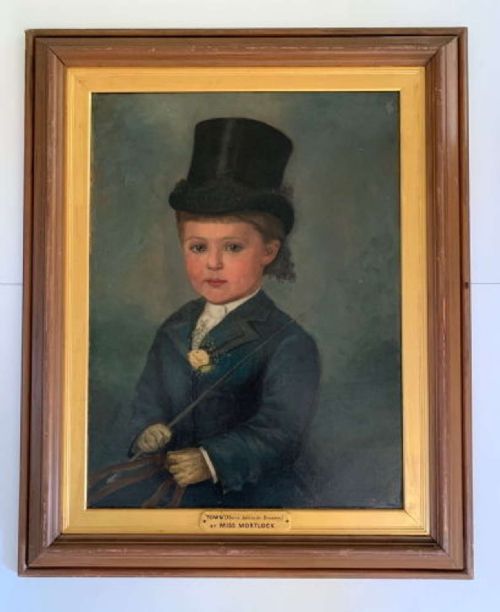

Nineteenth Century Equestrian Art
Nineteenth century equestrian art brings the power and pace of the Victorian stable and field straight onto your wall.
Nineteenth Century Equestrian Art
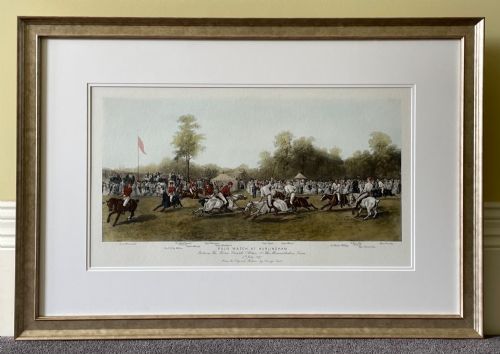
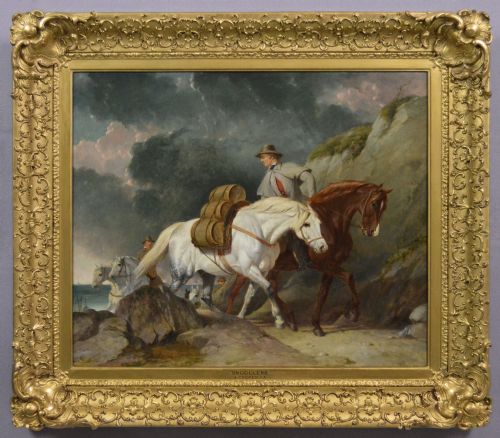
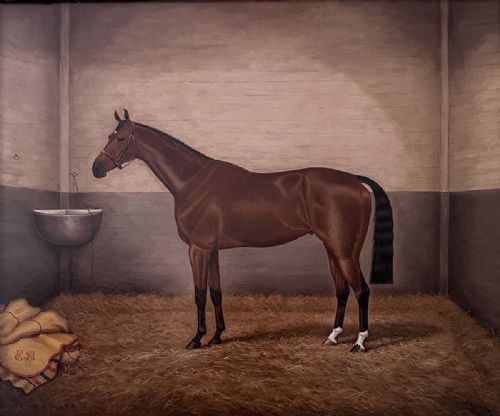
Nineteenth century equestrian art spans oil paintings, watercolours, framed engravings and carved wooden figures capturing horses in sport, work and portraiture. You will frequently find Victorian oil paintings of hunts, racehorses and stable scenes alongside hand-coloured prints.
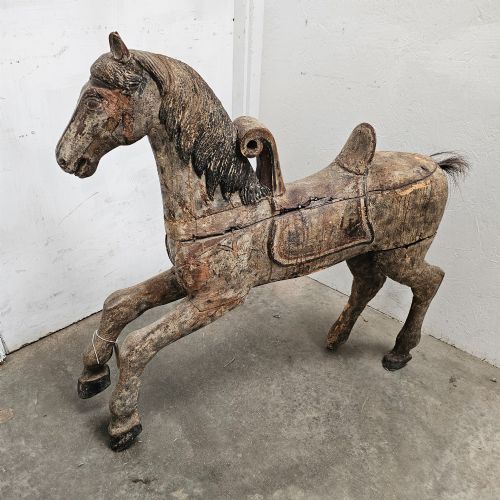
The selection ranges from grand sporting canvases by named painters to folk art carvings such as carousel and rocking horses. These pieces record the central place of the horse in nineteenth-century life, from rural carts to the hunting field.
Materials and methods
Artists painted primarily in oil on canvas or applied watercolour to paper, often framing their work in gilt wood and glass. Engravings were printed on paper and frequently hand-coloured to bring out the details of jockey silks and hounds.
Carved pieces such as rocking horses and carousel figures utilised solid wood, finished with original paint and sometimes mounted on iron or wooden stands. Weather vanes combined ironwork with traditional metal shaping techniques for outdoor use.
Several horses here worked for their living before joining the art market, appearing as weather vanes, carousel riders and stable guards.
What separates the examples
Quality rests upon the artist's command of equine anatomy, movement and proportion, distinguishing lifelike studies from stiff renderings. A strong composition captures the tension of a race or the quiet atmosphere of a stable yard with conviction.
The preservation of original surfaces, whether oil paint, paper or carved wood, dictates the integrity of the piece. Finer works retain their crisp detail in the engraving lines or the expressive brushwork of the painter.
Abraham Cooper RA·John Arthur Lomax·Basil Nightingale·John Augustus Atkinson·Arthur Longley Vernon·Alexander Maclean·Gilbert Scott Wright·Heywood Hardy·Ethel Mortlock·H Alken·J F Herring·William Shayer Snr
The Nineteenth Century Equestrian Art Glossary
- Lithograph
- A printmaking method based on the repulsion of oil and water on a stone plate. It allowed artists to produce detailed multi-colour sporting prints for framing.
- Gilt wood
- Wood coated with a thin layer of gold leaf or metallic paint. This finish frequently surrounds Victorian oil paintings and adds warmth to the framing.
- Sporting art
- Depictions of rural pastimes including hunting, racing and shooting. These works focus closely on horses, hounds and riders in open landscapes.
- Weather vane
- An outdoor instrument mounted on a roof to show wind direction, often formed as an iron silhouette of a horse.
- Folk art
- Objects created outside the formal academic tradition by local makers or craftsmen. In this category, it includes carousel and rocking horses made with direct, unpretentious skill.
Nineteenth Century Equestrian Art: Frequently Asked Questions
How do I care for nineteenth century oil paintings?
Keep paintings away from direct sunlight and dramatic shifts in temperature to protect the canvas and oil pigments. Dust the surface gently with a dry, soft cloth without applying pressure.
Avoid using water or chemical cleaners on the paint or gilt wood frame. Consult a professional conservator if the canvas requires cleaning or canvas repair.
What is the difference between an engraving and an oil painting?
An oil painting is a unique artwork created by applying pigment suspended in oil onto canvas or panel. Engravings are printed multiples created by carving an image into a plate and transferring it to paper.
Paintings show textured brushwork and direct artist input, while engravings offer fine, precise lines and were often hand-coloured after printing.
How can I date a Victorian equestrian painting?
Examine the style of clothing, tack and horse breeding depicted in the scene, alongside any signature or written date on the canvas. Victorian fashion and military uniforms changed across decades and provide reliable clues.
Look at the stretcher frames, nails and canvas type on the reverse of the work. Older frames and hand-woven canvases often support the period indicated by the subject matter.
Where should I hang equestrian art in the home?
Equestrian art suits traditional living rooms, libraries and hallways where timber furniture and natural materials complement the subject. Match the scale of the frame to the wall space so the piece commands the room properly.
Ensure the location lacks excessive humidity, particularly for watercolours and paper engravings which are sensitive to moisture.