

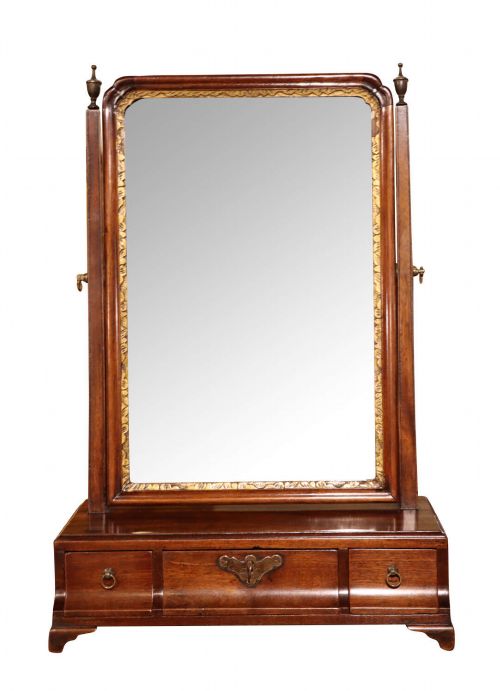


Nineteenth Century Dressing Table
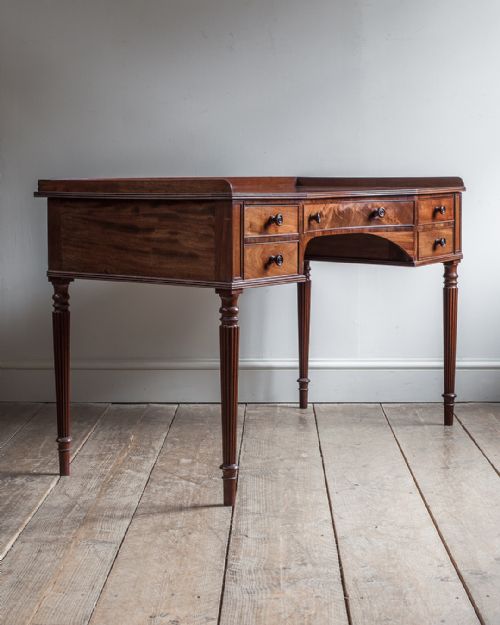
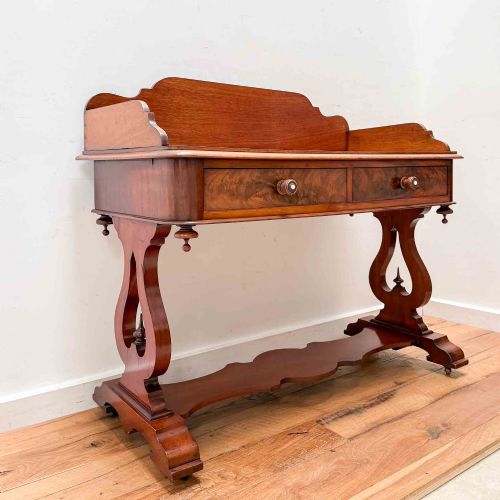
A nineteenth century dressing table brings functional elegance and rich timber tones into a bedroom.
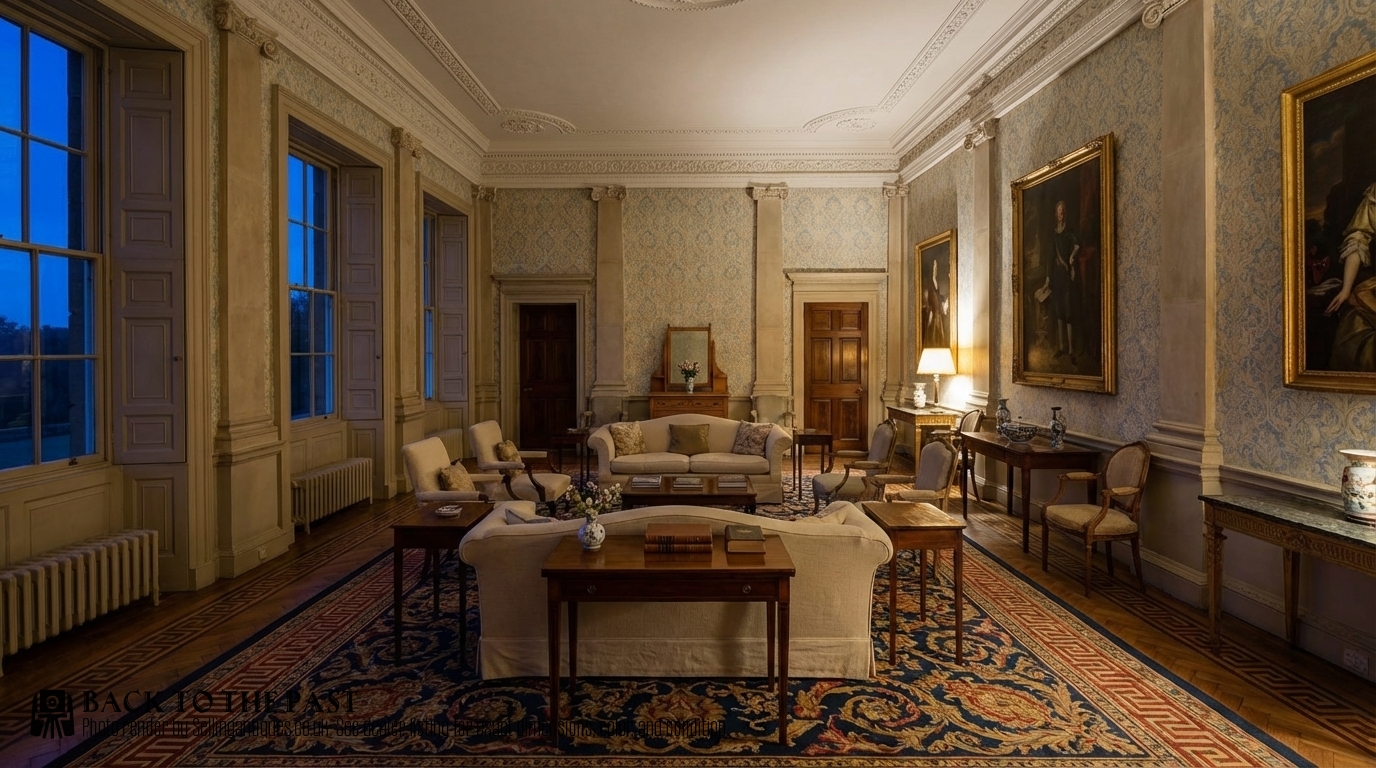
What a nineteenth century dressing table is
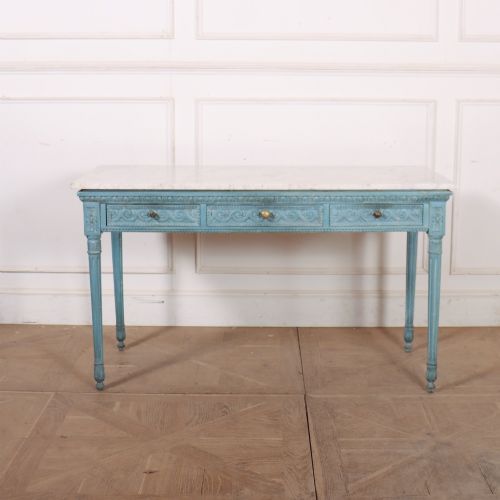
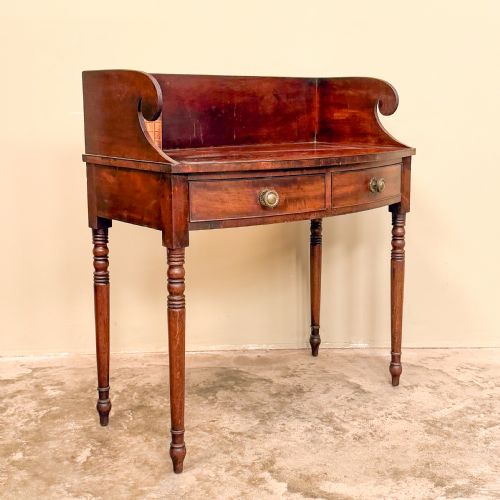
When you search for a nineteenth century dressing table, you find pieces designed for personal grooming and bedroom storage during the 19th Century and Victorian eras.
The versions you are most likely to meet on this page include mahogany and satin birch examples, spanning Victorian and Regency styles.
These items take various forms, ranging from standard tables to dressing table chests and pieces featuring cheval mirrors.
How they were made
Cabinet makers utilised solid woods like mahogany, walnut, and satin birch to build the carcass and frame of each dressing table.
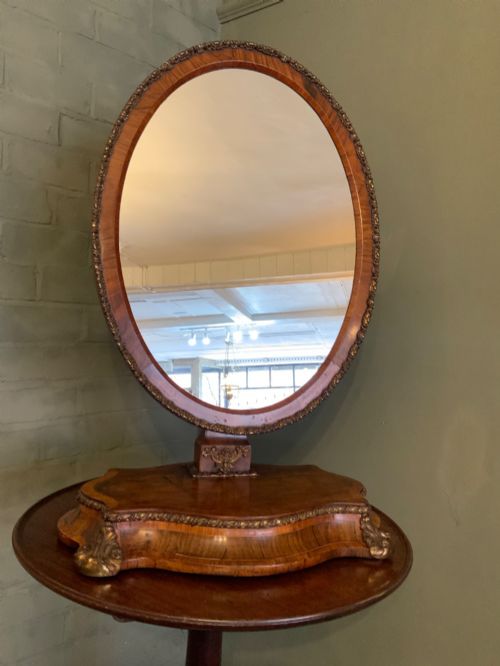
Surfaces often incorporated glass elements such as tilting or cheval mirrors, while metal fixtures provided functional hardware for drawers.
Some examples also employed stencilled decoration to enhance the visual appeal of the timber surfaces.
What varies in quality
The choice of primary timber and secondary wood determines the foundational grade of the piece, with richly figured mahogany and satin birch sitting at the higher end.
Design complexity separates standard tables from superior examples that incorporate integrated cheval mirrors, marble tops, or detailed stencilling.
The Nineteenth Century Dressing Table Glossary
- Cheval mirror
- A full-length plate glass mirror supported in a freestanding frame that tilts on pivots. This allows the user to adjust the angle for viewing attire.
- Satin Birch
- A pale, lustrous hardwood with a natural sheen often utilised in late period cabinet making. It provides a bright contrast to darker traditional timbers.
- Regency
- An architectural and decorative style spanning the early part of the nineteenth century. It draws inspiration from classical Greek and Roman forms.
- Victorian
- A period of design associated with the reign of Queen Victoria, encompassing diverse revivals and robust construction methods. Pieces from this era often prioritise utility alongside ornamentation.
Frequently Asked Questions
How do I date a dressing table?
Examine the timber species, construction joints, and hardware style to establish the period of manufacture.
Compare these details against known nineteenth century characteristics like mahogany frames and stencilled decoration.
Where should I place a dressing table?
Position the piece near a natural light source to make best use of the attached glass mirror during daily grooming.
Ensure adequate clearance around the table for chair placement and drawer access.
What woods were used in these tables?
Cabinet makers predominantly worked with mahogany, walnut, and satin birch for these bedroom items.
These timbers offered both structural durability and attractive grain patterns suited to polished finishes.
Are mirrors original to the tables?
Many surviving tables retain their original pivoting glass mirrors, particularly cheval styles mounted to the chest.
Glass silvering and frame fixings help determine whether the mirror glass dates from the same period as the base.