


Nineteenth Century Candleholder
These nineteenth century candleholder pieces bring domestic illumination from the past into modern rooms through heavy cast brass, porcelain, and ormolu.
Nineteenth Century Candleholder
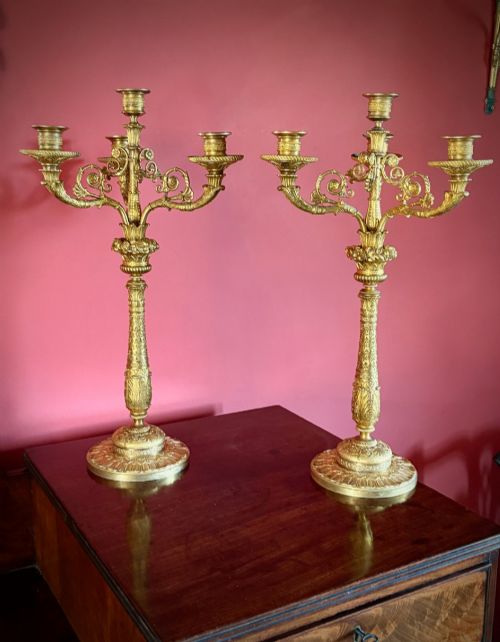
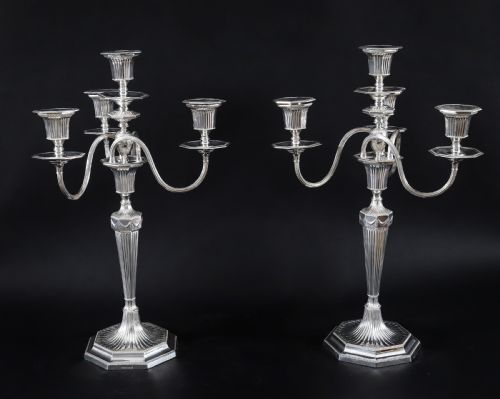
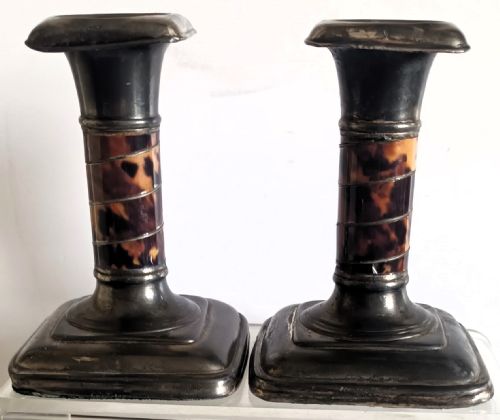
A nineteenth century candleholder on this page appears most frequently as a pair of candlesticks or branch candelabra fashioned from brass, bronze, or porcelain. These items originate from British, French, and German makers spanning periods from the Regency era through late Victorian decades.
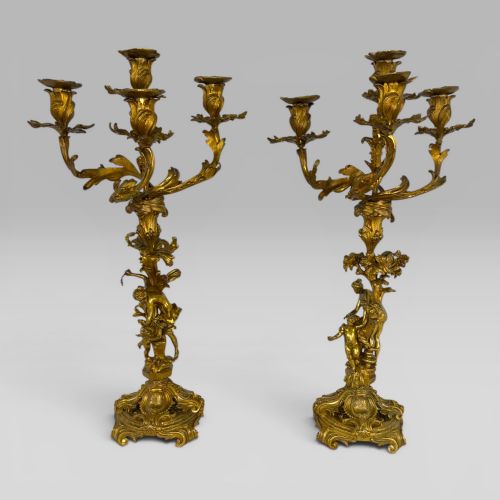
The selection includes tall baluster forms, figural designs depicting cherubs, and multi-light pieces fitted with glass lustres or enamel details. Buyers encounter everything from utilitarian brass to decorative French revival styles intended for formal reception rooms.
How they were made
Metal items rely on brass, bronze, and ormolu shaped through casting techniques that allowed makers to achieve crisp detail in architectural balusters and figural cherubs. Guilds and factories combined these metals with enamel, tortoiseshell, and cut glass components.
Ceramic examples utilise hand-painted porcelain bodies fired in European factories such as Meissen and Sitzendorf before mounting onto metal bases. Silver plating and fire-gilding provided durable surface finishes across many of the French and English items.
Several pairs feature cheerful winged cherubs holding up branches, enduring proof that nineteenth-century lighting enjoyed a sense of theatre.
What varies in quality
Material combination and decorative ambition separate ordinary production from high-end items, particularly where ormolu meets hand-painted porcelain or intricate cloisonné. Weight, stability, and the integration of multiple branches dictate the overall command of the design.
Hawksworth Eyre·Meissen·Sitzendorf·German Saxony
The Nineteenth Century Candleholder Glossary
- Ormolu
- A gilded bronze technique utilising ground gold amalgamated with mercury, applied to metal mounts to create a rich golden surface. This finish appears frequently on French pieces from the period.
- Lustre
- A glass or porcelain candlestick hung with cut crystal prisms designed to reflect candlelight. These items became popular during the Victorian era for mantelpiece display.
- Candelabra
- A branched candlestick holding multiple candles on separate arms. Examples on this page range from two-branch to four-branch configurations.
- Baluster
- A moulded shaft with a swelling lower portion resembling a classical architectural pillar. This shape forms the structural core of many nineteenth century brass candlesticks.
Nineteenth Century Candleholder: Frequently Asked Questions
How do I clean nineteenth century brass?
Dust gently with a soft cloth to preserve the natural aged patina developed over decades of exposure.
Avoid harsh chemical polishes that strip away historical surface character and dull the original metal texture.
What is the difference between a candlestick and a candelabra?
A candlestick holds a single candle upright in one central socket on a single stem.
A candelabra branches out into multiple arms to support two or more candles simultaneously from one base.
How do I date a Victorian brass candlestick?
Examine the weight, casting seams, and base construction for signs of nineteenth-century manufacturing methods.
Stylistic shifts from Regency classical forms to later exuberant revival motifs help narrow the manufacturing decade.