


Neutral Upholstered Chair
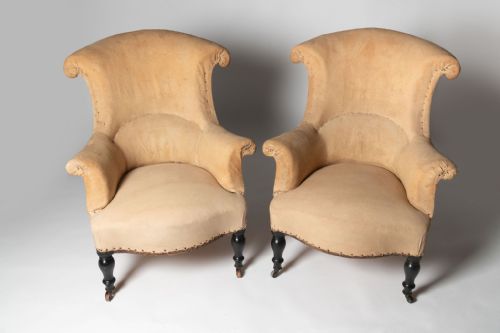
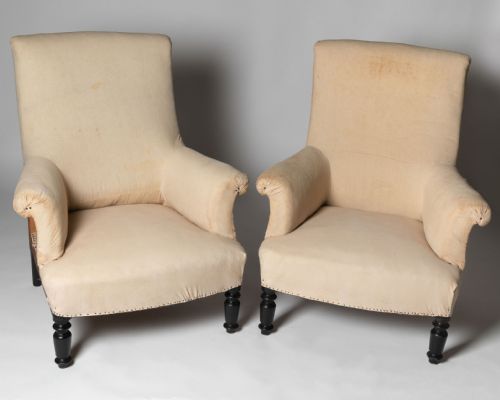
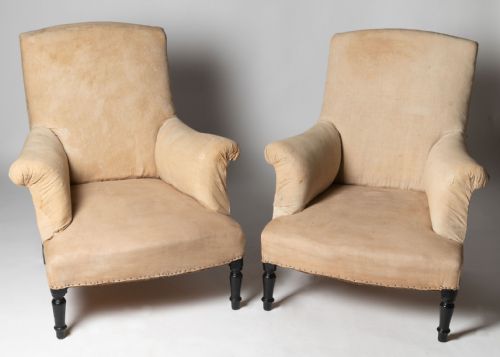
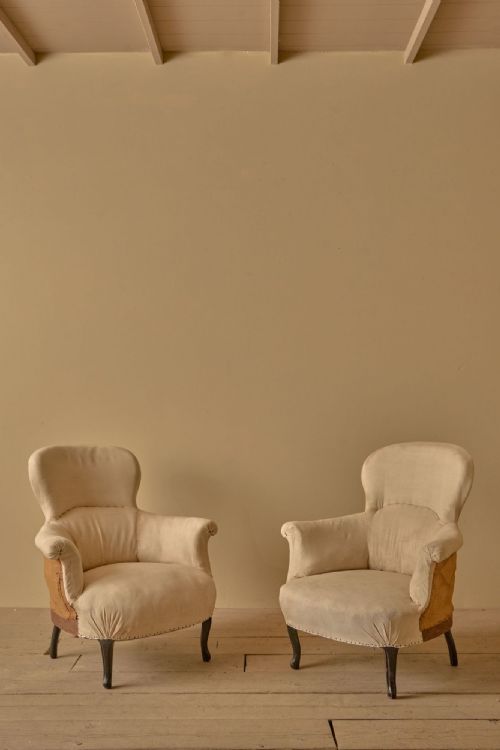
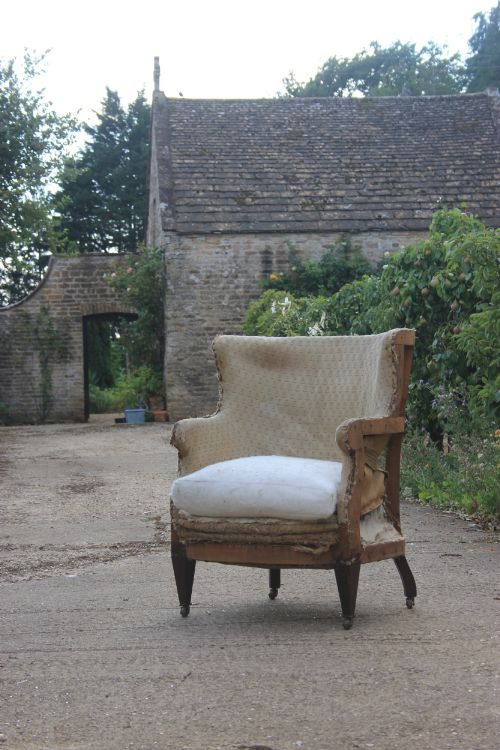
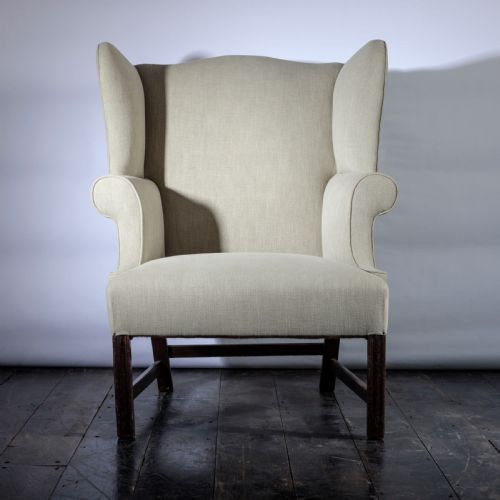
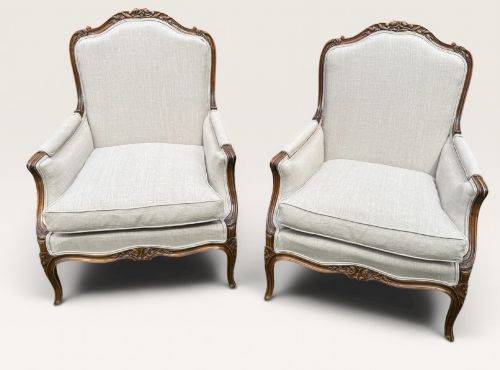
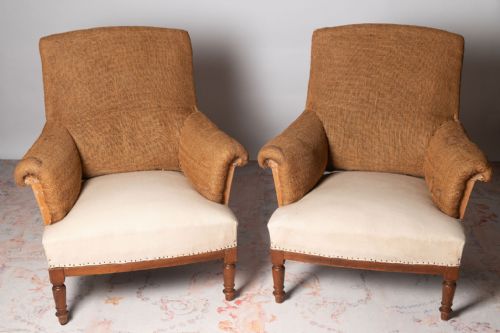
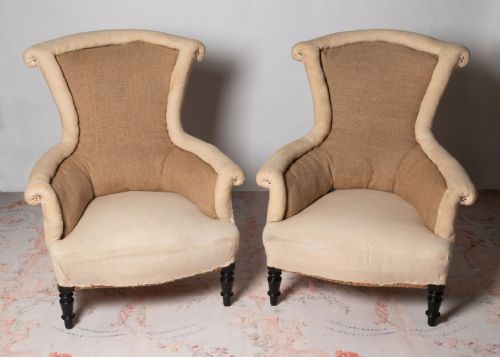
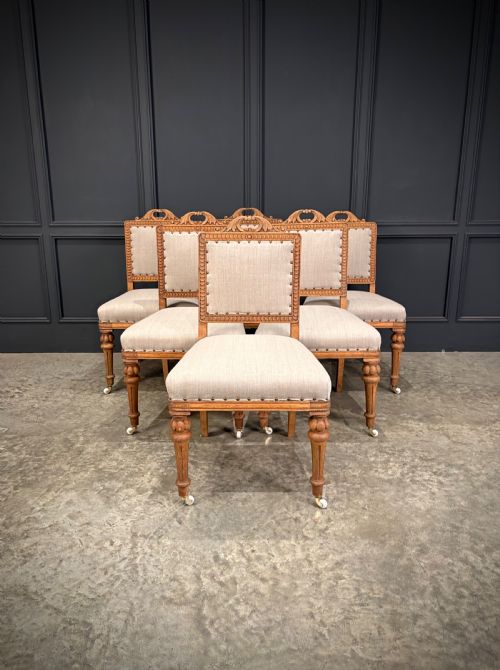
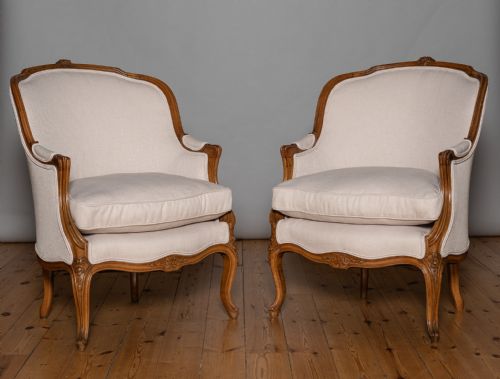
A neutral upholstered chair brings quiet texture to a room, ranging from Edwardian fireside models to French walnut armchairs covered in linen and calico.
Neutral Upholstered Chair
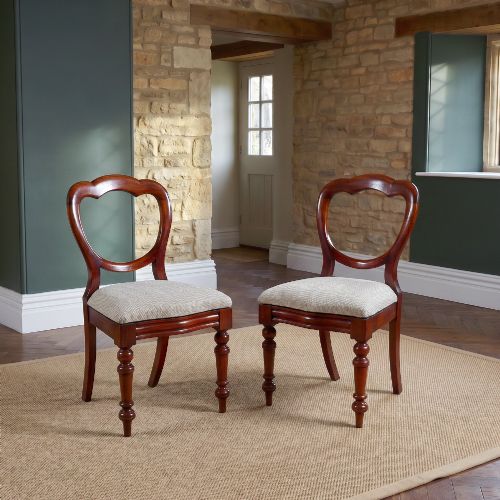
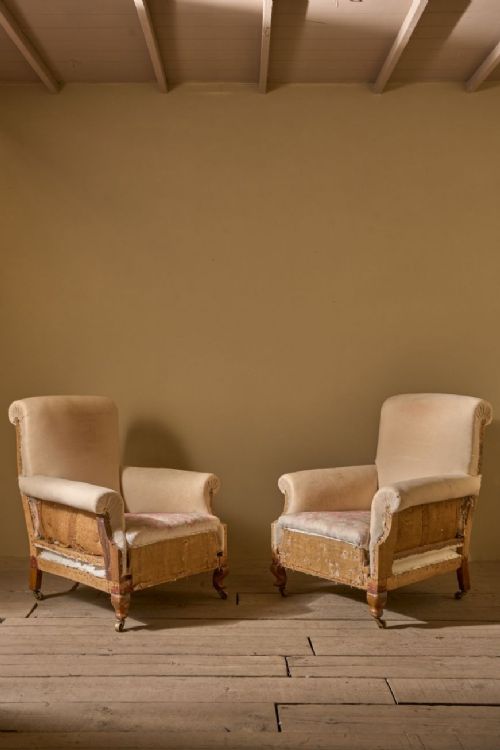
A neutral upholstered chair spans a wide variety of seating forms, offering practical function alongside subdued tones. When searching for a neutral upholstered chair, buyers encounter styles stretching from Victorian wing backs and Edwardian barrel seats to French Louis XV armchairs and chaise longues.
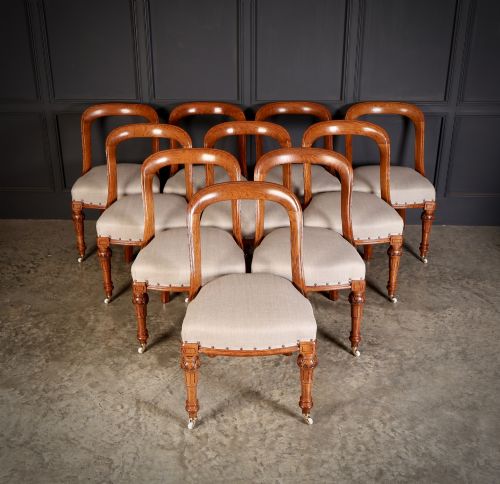
The selection includes pairs of scroll back armchairs, dining sets in oak, and low dressing table stools. Most examples date from the nineteenth century or the Edwardian era, though earlier seventeenth and eighteenth century pieces occasionally appear alongside mid twentieth century interpretations.
Origin and form dictate the exact silhouette, whether one seeks a compact slipper chair for a bedroom or large bergere armchairs for a drawing room. Timber frames provide the structural foundation, while the textile covering supplies the neutral palette.
How they were made
Frames rely upon traditional timbers such as mahogany, walnut, oak, rosewood, and general hardwoods, shaped through carving and joinery. Makers formed structural supports in styles echoing French chateaux, English country houses, and formal periods.
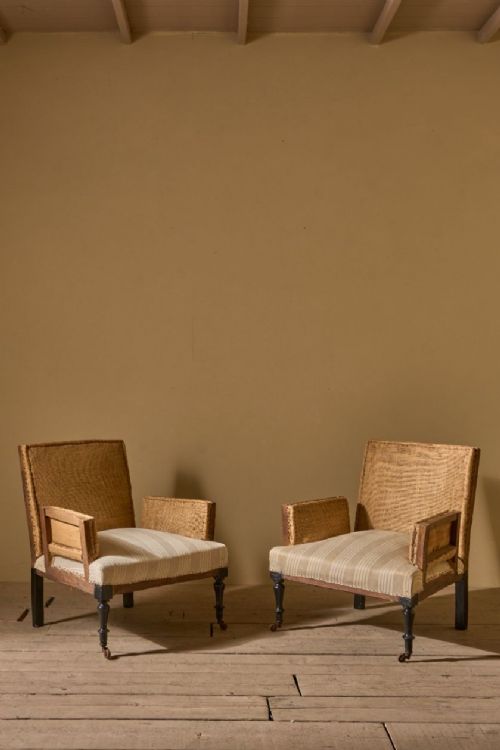
Upholstery techniques involve foundational layers of hessian and calico beneath top covers of linen, tweed, and neutral woven fabrics. Brass tacks and buttons often secure the textile work, while exposed wood elements display polished or bleached finishes.
Neutral Upholstered Chair Retail Price Guide 2026
Typical asking prices for neutral upholstered chair among the pieces listed under this phrase on Sellingantiques today, from the lower quarter to the upper quarter. They describe what is for sale here now, not the wider market.
Materials recorded across the archive include walnut, mahogany, oak, brass, linen, calico, and hessian.
What varies in quality
The integrity of the underlying timber frame sets the baseline for excellence, distinguishing solid carved walnut or mahogany from simpler utility woods. Hand-carved details, balanced proportions, and robust joinery separate superior seating from standard production.
Upholstery execution dictates comfort and visual refinement, measured by the precision of buttoning, the tautness of the fabric application, and the quality of the supporting materials beneath the linen or calico.
Trollope And Sons·William Birch
The Neutral Upholstered Chair Glossary
- Bergere
- A French upholstered armchair with enclosed wooden sides and a padded seat. These pieces often feature exposed carved frames and cane or upholstered panels.
- Wing armchair
- A high backed seat with characteristic side panels designed to shield the sitter from draughts. Victorian and eighteenth century iterations typically stand on cabriole or turned wooden legs.
- Barrel back
- A semi-circular seating form where the back and arms form a continuous curved enclosure. Edwardian and nineteenth century versions offer an enveloping shape.
- Calico
- A plain woven textile traditionally utilised as an interior lining or base layer beneath decorative top fabrics. It provides a sturdy foundation for traditional upholstery.
Neutral Upholstered Chair: Frequently Asked Questions
How do I identify an Edwardian neutral upholstered chair?
Edwardian seating often displays lighter proportions and simpler lines compared to heavier Victorian counterparts. Look for barrel backs, fireside chairs, and subtle woodwork reflecting the early twentieth century aesthetic.
Textiles on these pieces frequently lean towards lighter tones, though many survive with updated neutral covers that suit modern interiors while retaining their original frames.
What materials are used in these chairs?
Frames are constructed from timbers including walnut, mahogany, oak, rosewood, and general hardwoods. Visible wood is often polished, carved, or bleached.
The upholstery layers incorporate traditional components like hessian, calico, and brass tacks, finished with outer coverings in linen, tweed, and neutral fabrics.
Are these chairs suitable for daily use?
Many nineteenth and twentieth century seating forms remain entirely practical for contemporary living spaces. Armchairs, slipper chairs, and dining sets offer robust timber frames built for regular seating.
Buyers often select pieces with refreshed neutral upholstery to blend historical craftsmanship with everyday comfort in sitting rooms or bedrooms.
How do French and English styles differ?
French designs, such as Napoleon III or Louis XV style armchairs, frequently showcase elaborate carved walnut frames, curved silhouettes, and high buttoned backs. They lean towards decorative grandeur.
English country house and Victorian pieces tend to emphasise sturdy practicality, featuring deep seats, wing backs, and heavy mahogany or oak structures designed for comfort.