


Neoclassical Wall Art Print
These neoclassical wall art print examples capture classical antiquity through period engravings, architectural plates and mythic subjects framed for display.
Neoclassical Wall Art Print
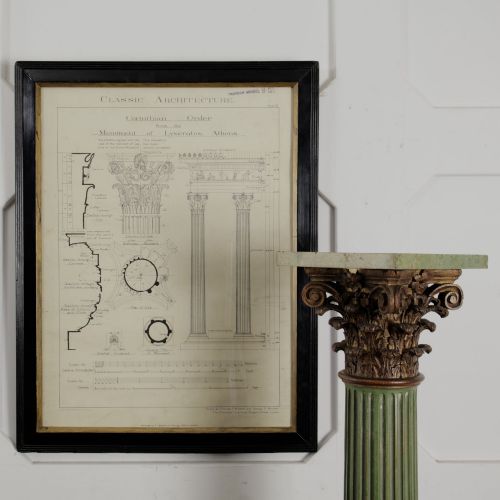
When you search for a neoclassical wall art print, you encounter framed engravings, etchings and lithographs spanning the eighteenth century through the early twentieth century. These works frequently depict architectural orders, mythological narratives and classical figures drawn from Greek and Roman sources.
The selections available range from single architectural plates recording ancient Athenian ruins to multi-part sets illustrating Homeric epics or the months of the year. Many examples arrive preserved in period frames constructed from wood and finished with gold leaf or giltwood.
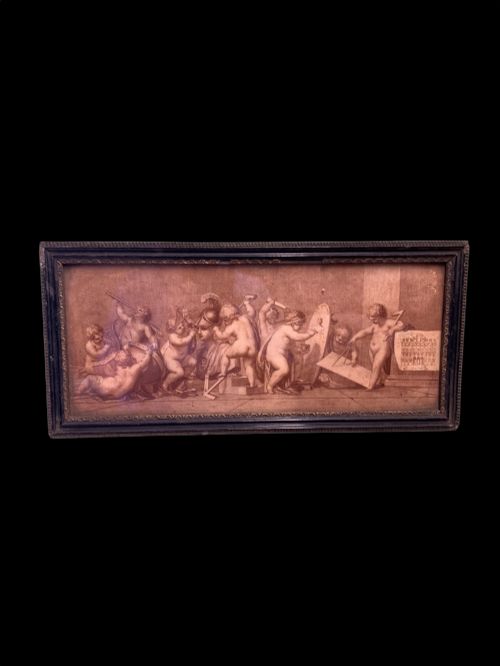
Pieces frequently reflect the aesthetic currents of the Grand Tour, capturing the sculpture and architecture encountered by travellers in Italy and Greece. Works after designers such as Raphael and Piranesi dominate the selection, offering structured compositions rooted in classical proportion.
Materials and production techniques
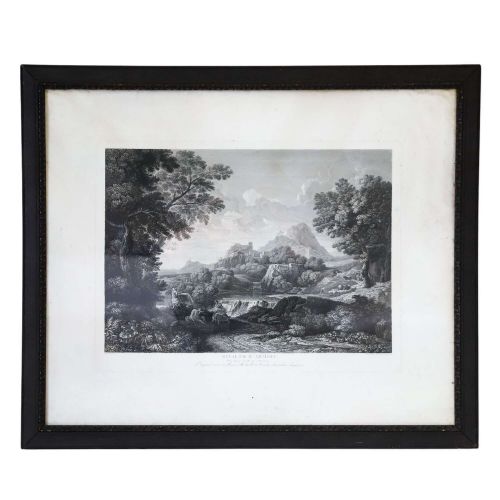
The physical basis of these works relies upon traditional paper stock receiving ink through copperplate engraving, etching or lithographic processes. Skilled printmakers translated frescoes, sculptures and architectural surveys into fine lines suitable for publication in bound volumes or portfolio plates.
Framing materials integrate wood structures enhanced by gilt, gold leaf or plain timber mouldings, often protecting the paper behind glass. These enclosures range from contemporary housings to original frames accompanying eighteenth-century plates.
Periods represented span the eighteenth century, the nineteenth century and the early twentieth century.
Evaluating print clarity and framing integrity
Quality rests significantly upon the crispness of the ink impression transferred to the paper, where deeper lines yield sharper architectural detail and more defined facial expressions in figural subjects. Faded ink or worn plates produce softer impressions that obscure the precision valued in neoclassical design.
The preservation of the original paper sheet, together with the condition and period authenticity of the surrounding gilt wood frame, dictates the standing of an individual piece. Intact margins and minimal foxing separate fine historical examples from heavily trimmed or degraded sheets.
James Basire·Ottaviani·Simon François Ravenet·Francesco Piranesi·Le Brun
The Neoclassical Wall Art Print Glossary
- Engraving
- A printmaking technique where an artist cuts lines directly into a copper plate using a sharp tool called a burin. The resulting incisions hold the ink that transfers to paper under pressure.
- Etching
- A process where acid bites lines into a metal plate prepared with an acid-resistant ground. This method allows for fluid, expressive mark-making compared to direct engraving.
- Lithography
- A planographic printing process based on the chemical repulsion of oil and water. It enabled the reproduction of tonal drawings and multi-coloured compositions in the nineteenth century.
- Grand Tour
- An extended journey through continental Europe undertaken by wealthy young men to study classical art and architecture. The prints brought home often recorded these monuments and antiquities.
- Giltwood
- Wood carved and coated with a thin layer of gold leaf or gilt powder. It provides reflective decorative framing common to period wall art.
Neoclassical Wall Art Print: Frequently Asked Questions
What subjects appear on these prints?
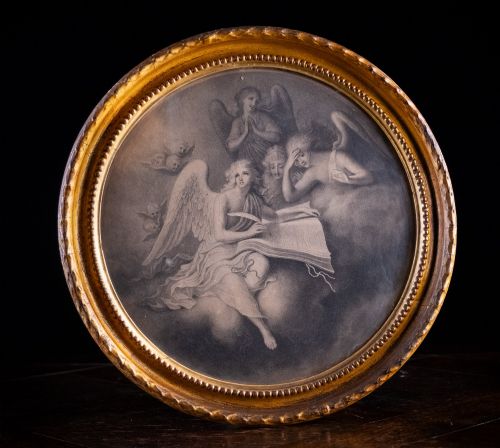
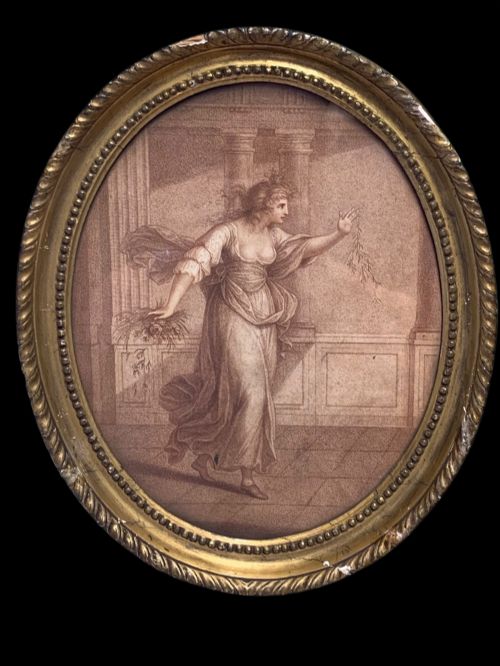
The subjects encompass classical Greek and Roman deities, architectural surveys of Athenian antiquities, and mythological narratives derived from classical literature. Scenes feature winged figures, temple structures and allegorical representations.
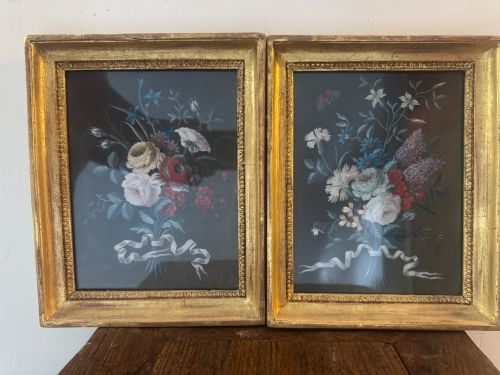
Additional plates illustrate floral still lifes, theatrical portraits and decorative compositions after Renaissance masters such as Raphael.
Are these pieces from the eighteenth century?
Many examples date directly from the eighteenth century, originating alongside the archaeological discoveries and Grand Tour travels of that era. These period impressions reflect the initial revival of classical taste.
Other items belong to subsequent nineteenth-century print runs or early twentieth-century revivals, utilising the same historical source material.
How should I frame and hang them?
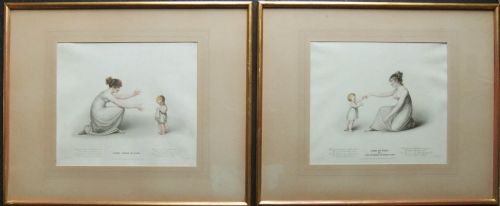
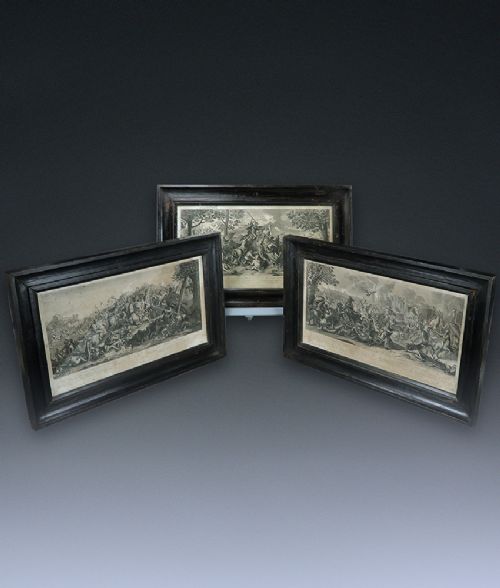
These works display effectively when grouped in pairs or sets, particularly matching architectural elevations or thematic mythological series. Utilising conservation-grade mounting protects the paper from environmental degradation over time.
Positioning them away from direct sunlight preserves the ink and prevents the paper stock from yellowing or becoming brittle.
What is the difference between an engraving and a lithograph?
An engraving involves incising lines into a hard metal plate, resulting in precise, fine-lined geometric and architectural definition. This technique defines many of the architectural and classical plates.
Lithography relies on a stone or metal matrix treated to accept ink in drawn areas, producing softer tonal gradations suited to pictorial scenes and figure studies.