

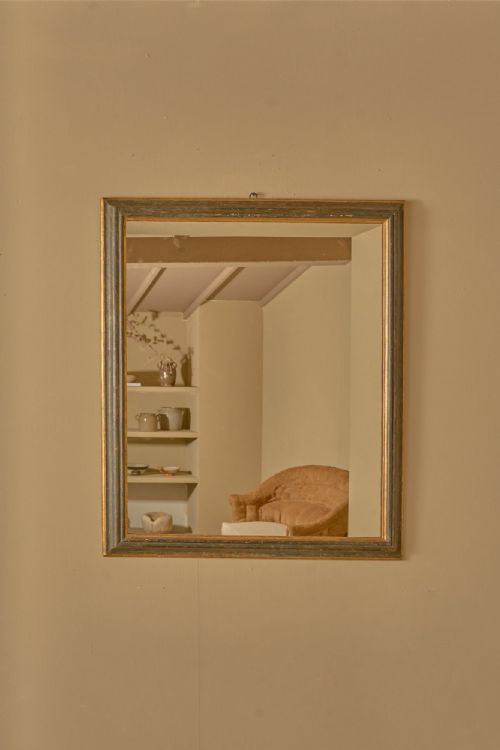
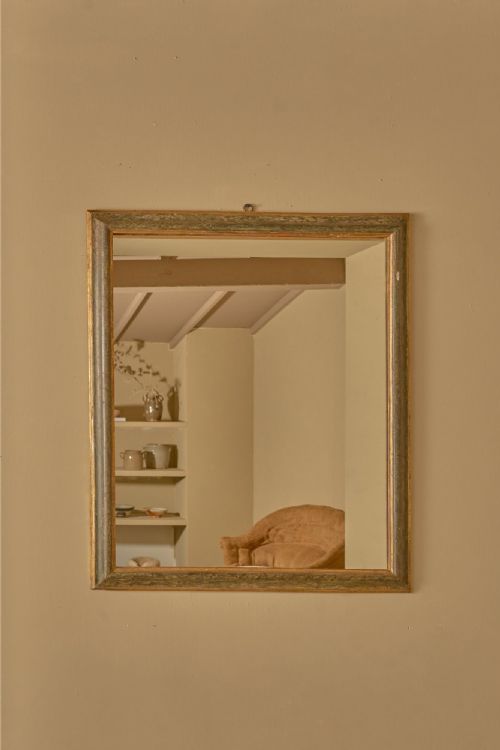
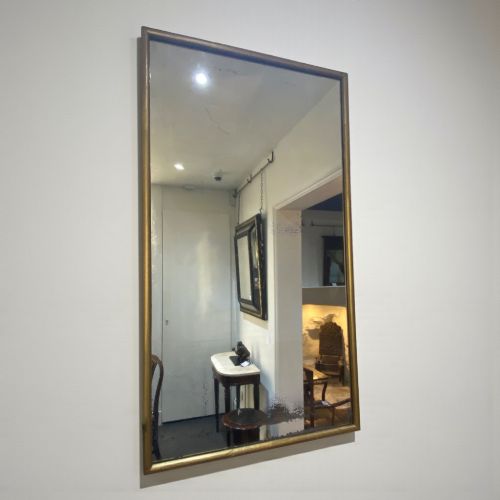
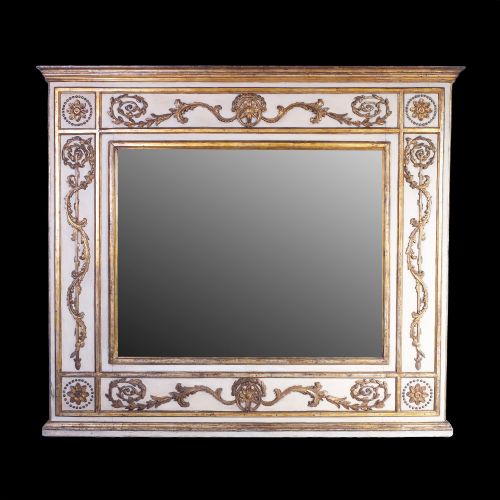
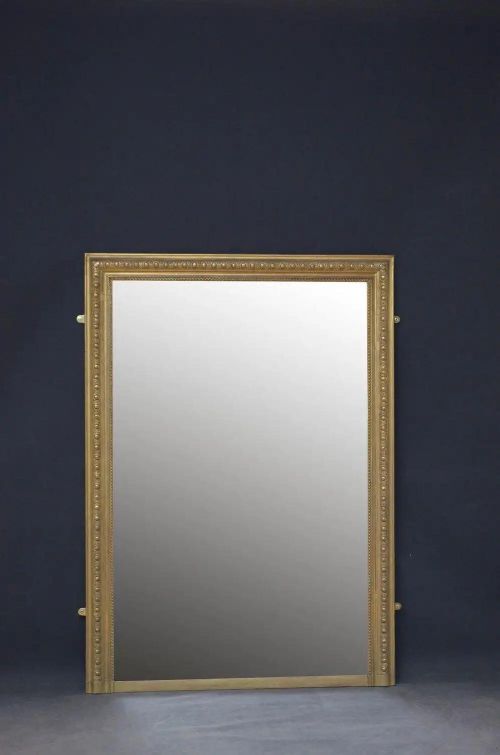


Neoclassical Rectangular Mirror
A neoclassical rectangular mirror anchors a room with balanced proportions and classical restraint, bringing architectural clarity to both period and modern interiors.
Neoclassical Rectangular Mirror
A neoclassical rectangular mirror takes many forms across our listings, ranging from grand overmantels to slender pier wall mirrors. These items span periods from the eighteenth century through to the mid-twentieth century, including Regency, Edwardian, and revival pieces.
Makers drew on historical vocabularies, producing works styled as French neoclassical, Louis XVI, and Empire taste. The geometry remains firmly rectangular, designed to sit above a mantelpiece or anchor a principal wall.
Surviving examples demonstrate how versatile the rectangular format proved for both domestic and grand settings. The selection encompasses English and continental origins, executed with classical motifs.
How they were made
Giltwood and gesso form the primary surfaces for these frames, often built over a wooden carcass. Artisans applied thin layers of gold leaf or paint over prepared grounds to create reflective, luminous finishes.
Carvers shaped classical motifs such as Vitruvian scrolls directly into the wood or composition ornaments. Later pieces incorporate etched and engraved glass plates set within mahogany or painted wood frames.
Neoclassical Rectangular Mirror Retail Price Guide 2026
Typical asking prices for neoclassical rectangular mirror among the pieces listed under this phrase on Sellingantiques today, from the lower quarter to the upper quarter. They describe what is for sale here now, not the wider market.
Materials recorded across the inventory include giltwood, gesso, mahogany, composition, and etched mirror glass.
What varies in quality
The depth and crispness of the carved ornamentation define the upper tier of these pieces. Hand-carved giltwood with refined detail stands apart from simpler composition mouldings.
Original mirror glass shows subtle distortions and silvering wear that mark its age authentically. The integration of the frame joints and the quality of the original gilding dictate the overall presence.
The Neoclassical Rectangular Mirror Glossary
- Giltwood
- Wood that has been coated with gold leaf. This technique provides a durable and brilliant metallic finish popular in classical frame making.
- Gesso
- A plaster mixture applied to wood frames as a base for gilding. It allows craftsmen to carve intricate relief details before applying gold leaf.
- Pier glass
- A tall mirror designed to hang on the pier, the wall space between two windows. These vertical mirrors maximise natural light in a room.
- Overmantel mirror
- A large horizontal mirror designed to sit directly above a fireplace mantel. They often reflect the room's proportions and light.
- Vitruvian scroll
- A classical running scroll ornament resembling a wave pattern. It frequently decorates the frieze or frame border of neoclassical furniture and mirrors.
Neoclassical Rectangular Mirror: Frequently Asked Questions
Where should I hang a rectangular mirror?
These mirrors suit placement above a fireplace mantelpiece or centered along a principal dining room wall. Their horizontal or vertical proportions help anchor the room's visual weight.
Ensure the wall fixings match the substantial weight of giltwood and wooden frames. Positioning them opposite a window maximises the reflection of natural light.
How do I identify a Regency period mirror?
Regency pieces often incorporate bold classical motifs, architectural framing, and specific giltwood finishes typical of the early nineteenth century. Look for disciplined symmetry and classical restraint characteristic of the style.
Compare the construction methods and wood types with documented pieces from the era to confirm the period.
Can I use an overmantel mirror in a hallway?
An overmantel mirror works effectively in a generous hallway or landing if the wall space permits the scale. Their rectangular format expands narrow spaces and introduces architectural focus.
Consider the ceiling height and surrounding furniture proportions before hanging a large overmantel piece outside a fireplace setting.
What does Empire taste mean?
Empire taste refers to the neoclassical style inspired by the French Empire period, favoring grand architectural forms and gilt metal mounts. Mahogany and contrasting metallic accents frequently appear in these designs.
This aesthetic conveys a heavier, more imposing classical authority compared to earlier lighter neoclassical styles.