

Neoclassical Pier Console Table
A neoclassical pier console table brings architectural symmetry and formal elegance to a hall or drawing room, anchored by classical carving and stone tops.
Neoclassical Pier Console Table
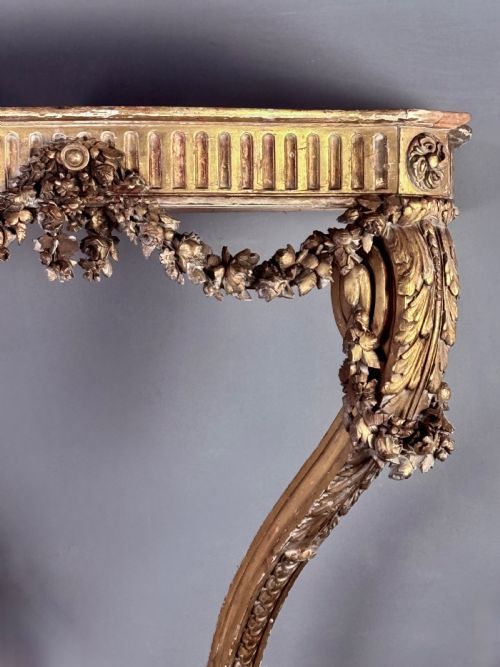
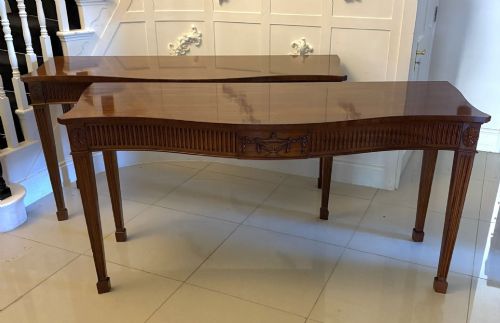
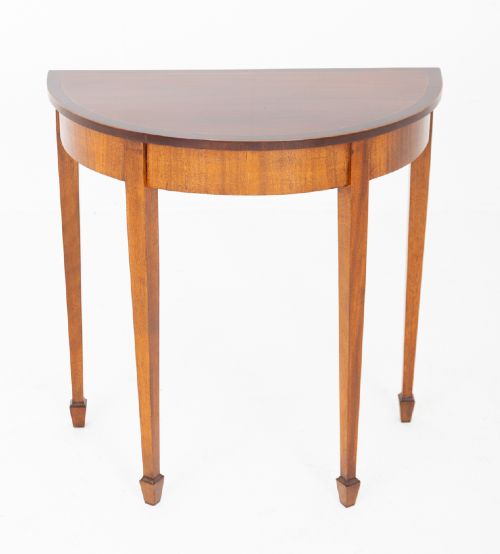
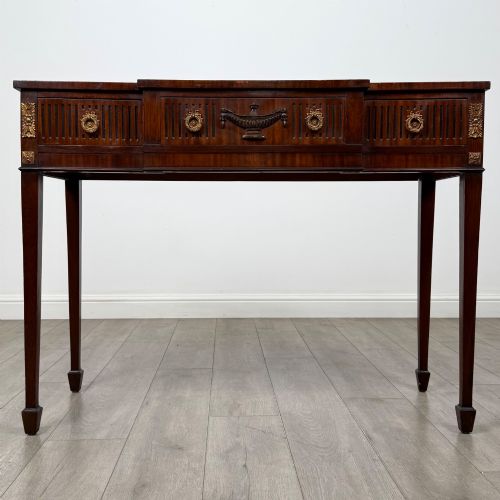
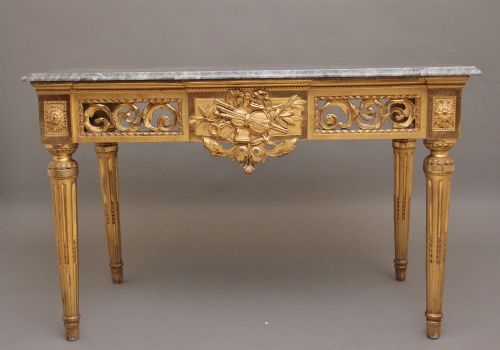
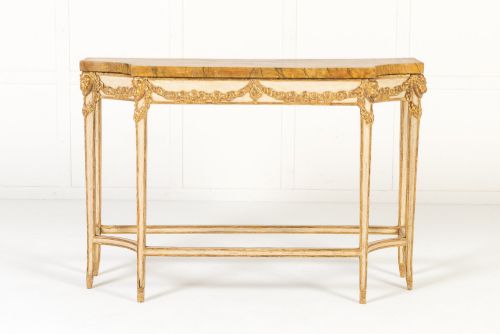
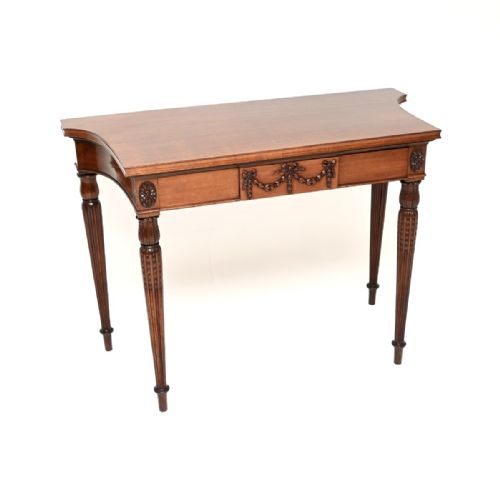
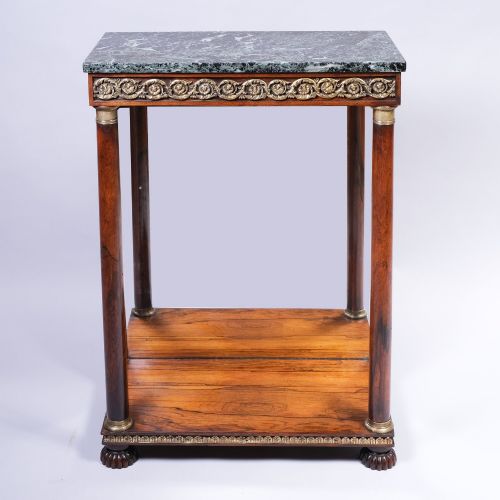
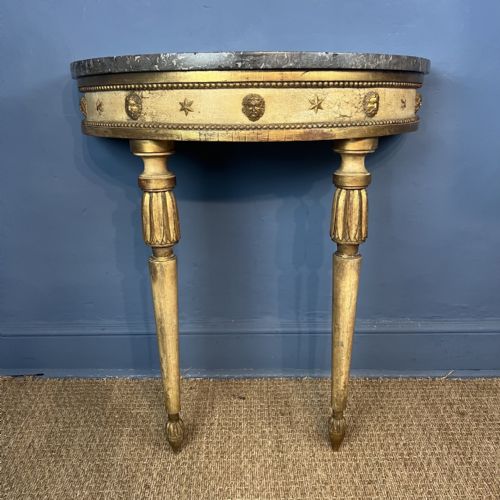
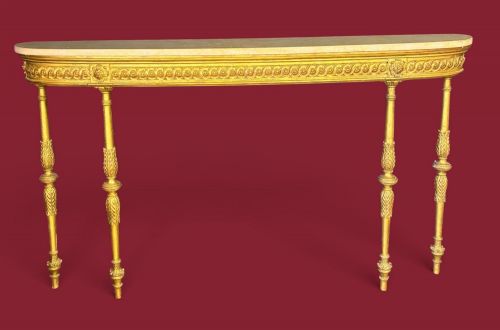
A neoclassical pier console table stands flat against a wall, frequently positioned beneath a mirror or between windows. These architectural tables appear in various forms, from semi-elliptical demi-lune shapes to rectangular designs framed by straight or serpentine fronts.
The selections span multiple periods, with strong representation from the eighteenth century, the nineteenth century, and later revivals into the twentieth century. Italian, French, and English origins dominate the records, showing regional interpretations of classical motifs.
Materials and construction
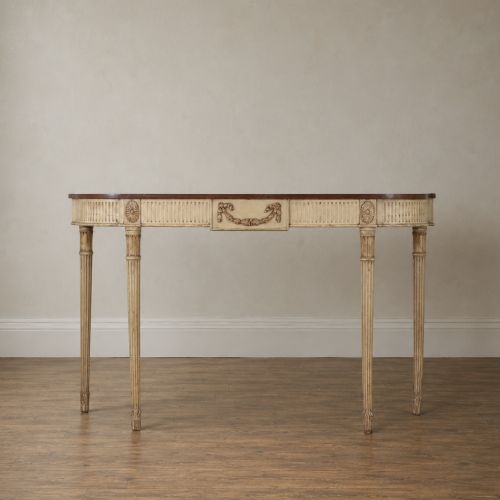
Cabinet makers utilised dense hardwoods including mahogany, walnut, rosewood, and satinwood, often shaping them into curved demi-lune silhouettes. Frames frequently received coats of paint, gesso, or applied gilding to highlight carved details.
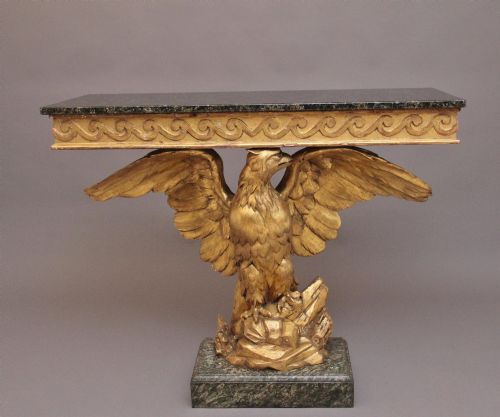
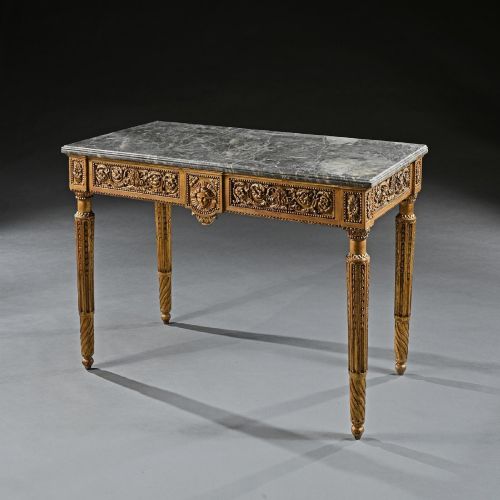
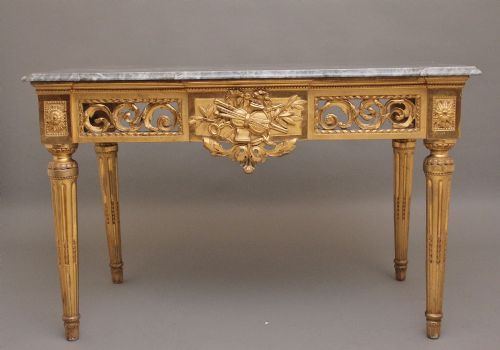
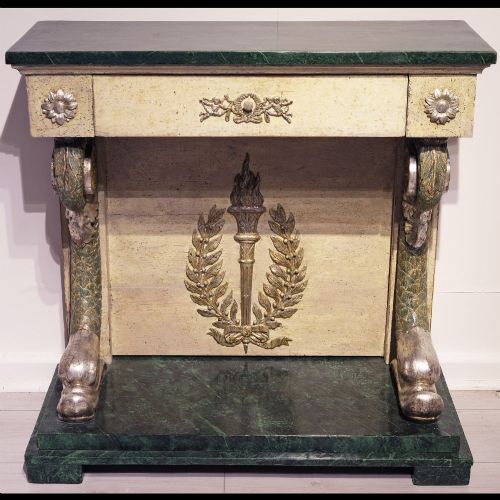
Many examples feature heavy marble or specimen marble tops, sometimes paired with elaborate giltwood bases or brass mounts. Construction techniques combine traditional joinery with carved wooden ornamentation reflecting George III, Adam, and Empire styles.
Several tables were built with half-moon shapes specifically so guests would not bruise their shins in narrow corridors.
Distinctions in craftsmanship
The refinement of the carving dictates the distinction between standard examples and museum pieces. Crisp detailing in giltwood, gesso, and mahogany reveals the hand of a skilled artisan rather than mass production.
The integration of the top also separates grades of manufacture. Fitted marble or faux porphyry tops requiring precise stonecutting represent higher tiers of craftsmanship than simpler wooden surfaces.
Felix-Alfred Ternisien·Jean Joseph Chapuis
The Neoclassical Pier Console Table Glossary
- Pier table
- A table designed to stand against a wall, specifically between two windows. These pieces often coordinate with matching wall mirrors.
- Demi-lune
- A half-moon shape used for table tops and frames. This curved form allows the furniture to project minimally into narrow hallways.
- Giltwood
- Timber coated with gold leaf or gold paint. This finish creates a bright metallic sheen characteristic of formal European reception rooms.
- Faux porphyry
- A decorative paint technique imitating the purple-red igneous rock prized in antiquity. Artisans used this finish to simulate expensive stone on wooden bases.
Neoclassical Pier Console Table: Frequently Asked Questions
Where should a neoclassical pier console table go?
These tables find their traditional home in entrance halls, formal corridors, or against drawing-room walls. Their shallow depth allows them to sit flush against masonry without blocking walkways.
Pacing them beneath a matching mirror or artwork creates a balanced focal point within the room's decorative scheme.
How do I care for a marble top?
Stone surfaces require gentle cleaning with a damp cloth and neutral soap. Avoid acidic liquids like citrus juice or vinegar, which etch polished marble.
Applying a specialist stone wax helps protect the finish from moisture rings and daily wear.
What is the difference between George III and Adam styles?
George III pieces often display robust mahogany carving and traditional English cabinet-making proportions. Adam style draws heavier inspiration from direct archaeological excavations in Pompeii and Rome.
Adam designs frequently incorporate painted surfaces, delicate swags, and neoclassical motifs derived from Robert Adam's architectural interiors.
Are these tables sturdy enough for daily use?
Most console tables rely on wall attachment for total stability, particularly versions carrying heavy marble slabs. Securing the frame to the wall prevents tipping.
While functional as surface space for lamps or decorative objects, they are primarily decorative furniture rather than heavy work tables.