


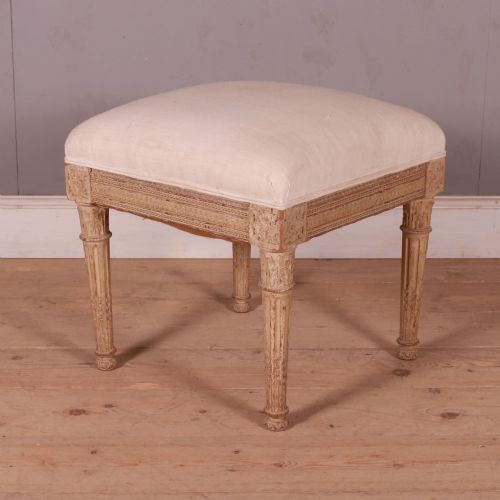


Neoclassical Painted Vanity
These neoclassical painted vanity pieces and related seating bring light, painted surfaces and classical restraint to a room.
Neoclassical Painted Vanity
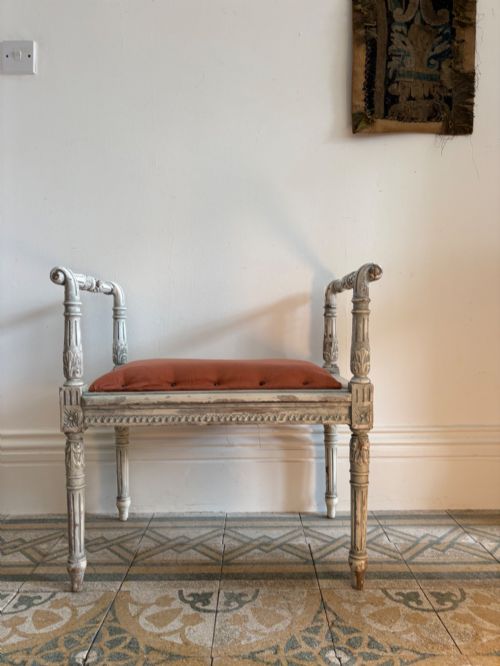
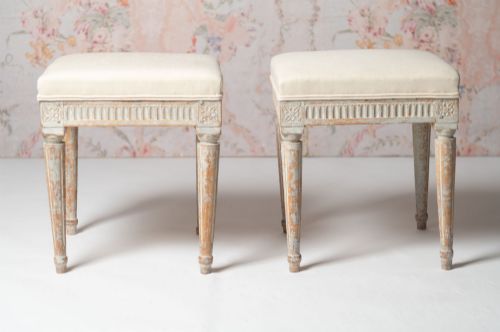
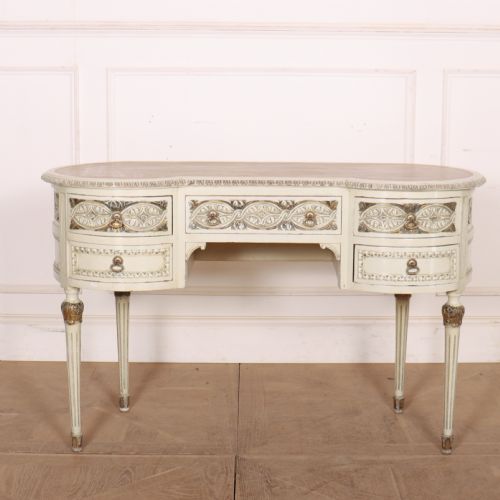
When you search for neoclassical painted vanity pieces, you encounter a selection centred largely on painted wooden seating and dressing tables. Stools, desks, side tables and writing tables dominate the forms, frequently tied to Swedish Gustavian, French and Italian neoclassical traditions.
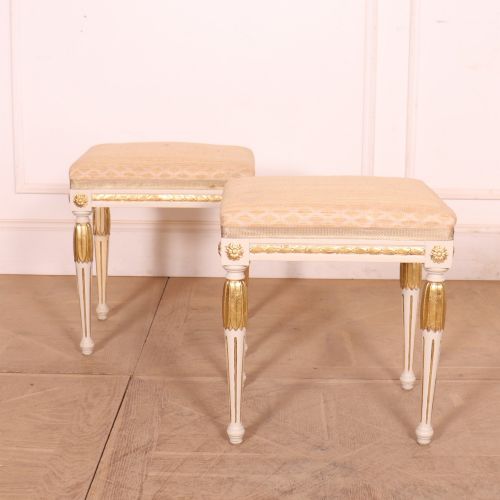
Stools form the majority of the seating available, often listed in pairs and featuring original painted finishes alongside silk or linen seats. Dressing tables and writing desks appear alongside these smaller pieces, carrying the same pale, decorative paintwork.
The origins span the eighteenth and nineteenth centuries, with pieces dated from the 1800s back to the eighteenth century, as well as specific decades like 1880, 1890 and 1900. Swedish workshops account for a significant share of the items, particularly under the Gustavian style.
Buyers seeking a neoclassical painted vanity setup will find that while dedicated dressing tables appear, the broader selection relies heavily on complementary stools, side tables and desks to complete a room.
How they were made
Construction relies upon painted wood, occasionally enhanced with carved details, gilt wood and gold leaf. Surfaces receive layers of paint that define the aesthetic of the Swedish Gustavian and French neoclassical schools.
Upholstery materials on the seating include silk, linen and fabric, frequently paired with needlework. Brass hardware appears on desks and tables, providing functional and decorative accents against the painted timber.
Several Swedish stools arrive in matched pairs, as if refusing to face the dressing table alone.
What varies in quality
The preservation of original decorative paintwork sets one piece apart from another, as surface wear alters the visual balance. Pieces retaining their early paint surfaces carry greater authenticity.
Carving depth in the timber and the quality of the underlying wood determine the structural merit of desks and stools. Upholstery choices, from simple linen to fine silk, reflect the original tier of the piece.
The Neoclassical Painted Vanity Glossary
- Gustavian
- The Swedish interpretation of neoclassical design, characterised by lighter proportions and pale painted finishes. It developed during the reign of Gustav III.
- Neoclassical
- A style reviving classical Roman and Greek motifs, focusing on symmetry, restraint and straight lines. It emerged in the mid-eighteenth century.
- Gilt wood
- Timber treated with gold leaf or gold paint to simulate solid gold. This technique highlights carved details on frames and tables.
- Needlework
- Hand-stitched textile work utilised for seat covers and upholstery. It appears on nineteenth-century stools.
- Dressing table
- A low table fitted for grooming and personal care, often accompanied by matching seating. These forms anchor bedroom furniture arrangements.
Neoclassical Painted Vanity: Frequently Asked Questions
What periods do these pieces date from?
The pieces span the eighteenth and nineteenth centuries, including specific dates such as 1880, 1890 and 1900. Eighteenth-century examples represent the earlier end of the tradition.
Nineteenth-century pieces continue the Gustavian and neoclassical styles, maintaining the pale painted finishes and formal restraint of the earlier period.
Which regions produced these styles?
Swedish workshops produced a substantial portion of the surviving stools and desks, particularly under the Gustavian classification. French and Italian makers also contributed neoclassical pieces.
English makers are represented through painted desks from the late nineteenth century, showing parallel interests in light decorative finishes.
What materials were used for seating?
Wooden frames form the base, finished with paint, gilt wood or gold leaf. Seats feature textiles such as silk, linen and general fabric.
Needlework also appears on nineteenth-century stool seats, adding texture and pattern to the painted wooden structures.
How do dressing tables and desks differ?
Dressing tables are designed for personal grooming and feature original decorative paintwork suited to bedroom settings. Desks and writing tables serve workspace functions.
Both categories share neoclassical proportions and painted wooden construction, allowing them to coordinate within a room.