


Neoclassical Painted Table
These neoclassical painted table pieces bring symmetry and classical ornament into a room, offering refined form paired with decorative painted surfaces.
What these neoclassical painted table pieces are
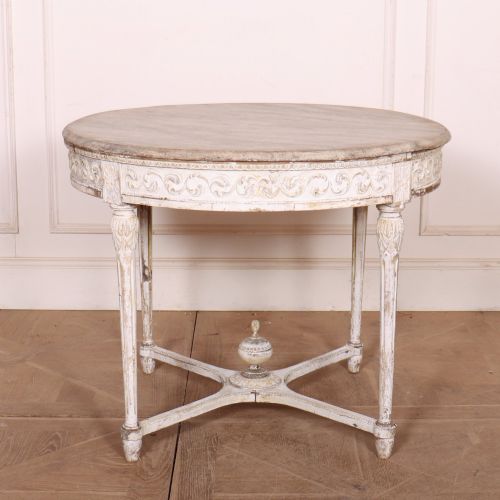
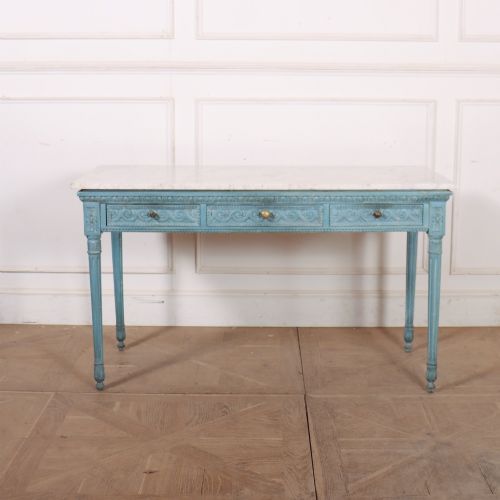
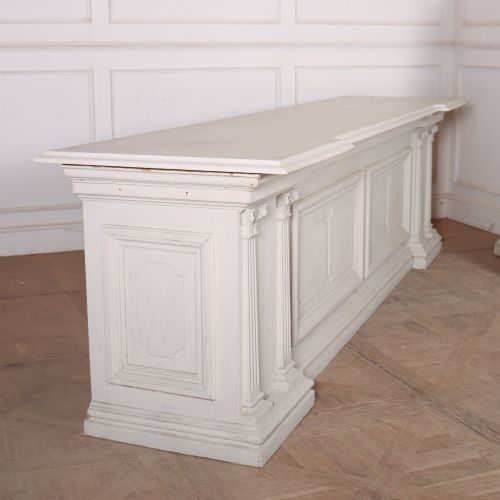
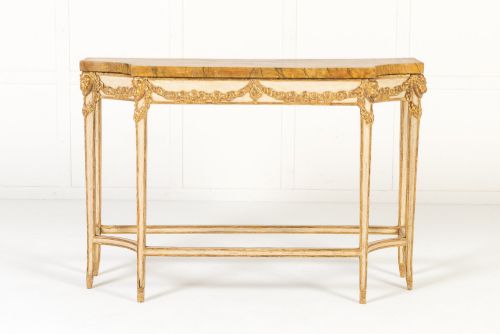
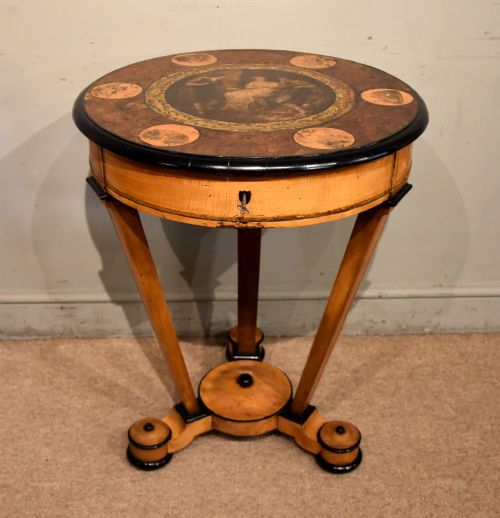
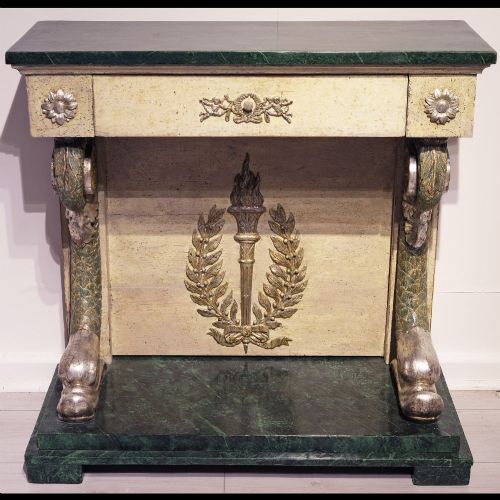
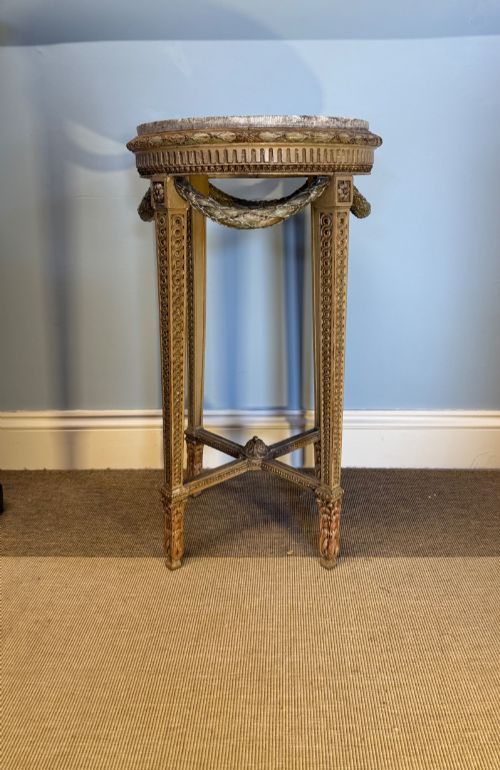
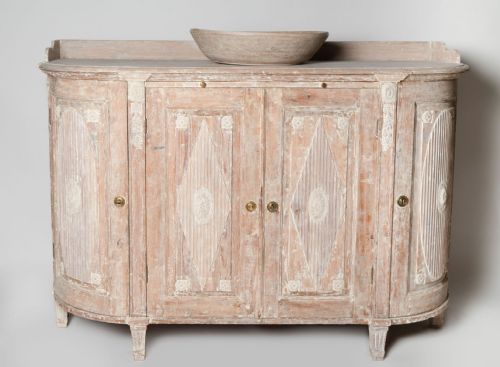
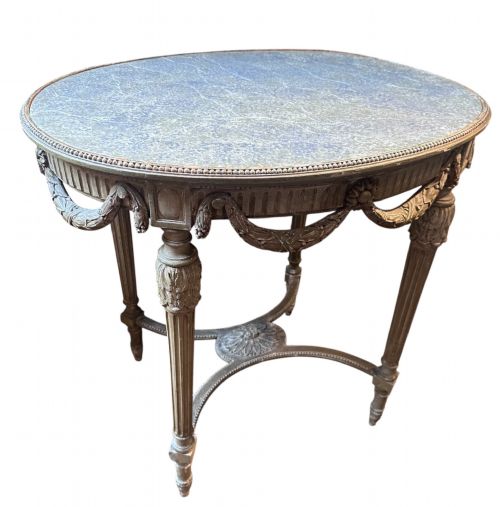
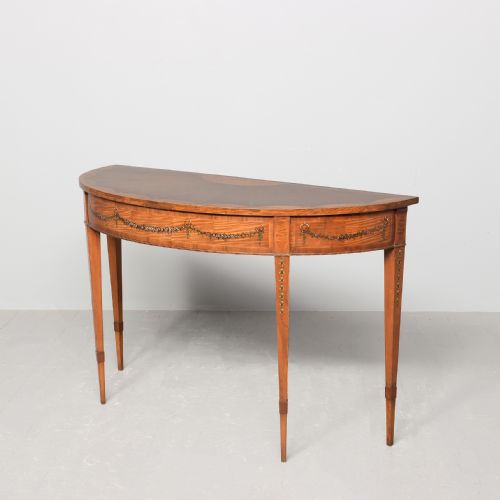
When you search for a neoclassical painted table, you encounter a selection of occasional furniture grounded in eighteenth-century and nineteenth-century design vocabulary. The selection on this page ranges from George III satinwood pieces to Swedish and German examples spanning the nineteenth and early twentieth centuries.
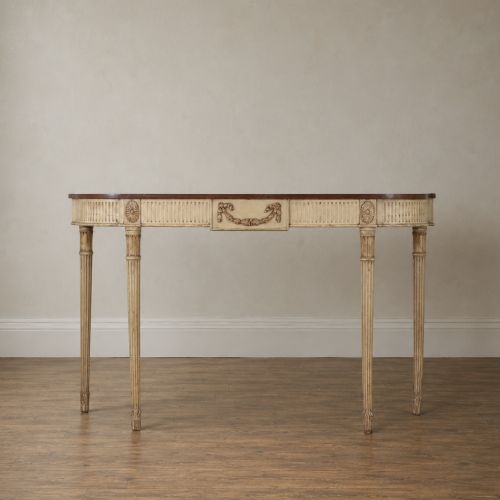
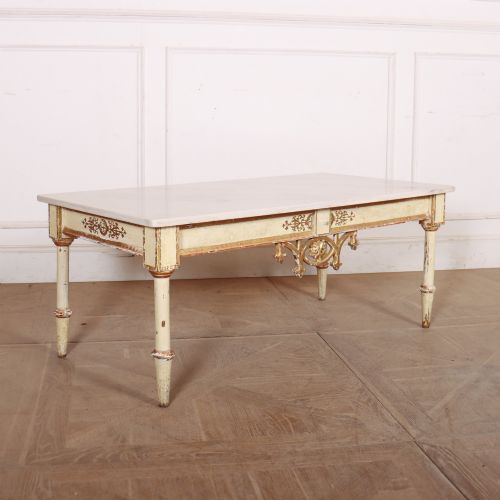
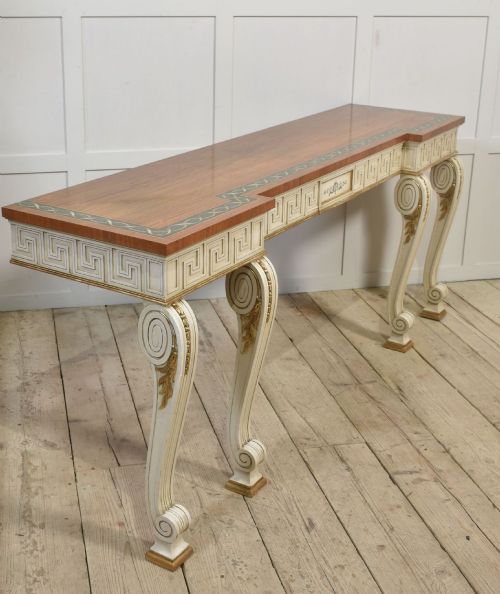
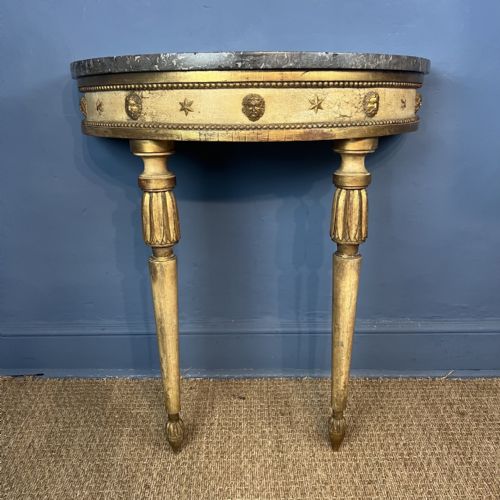
Formations include card and games tables, centre tables, side tables, console tables, and Pembroke tables. Demi-lune card tables and console tables appear frequently, often displaying tapered legs and classical motifs characteristic of the neoclassical style and its later revivals.
How they were made
Construction relies upon timbers such as satinwood, complemented by gesso, gilding, and inlay work. Surfaces receive layers of paint, often forming the primary decorative scheme across tabletops and friezes.
Detailing incorporates carved crests alongside tapered legs, bringing together cabinet-making joinery and surface painting traditions found in English, French, Swedish, and German workshops.
Retail Price Guide 2026
Typical UK retail prices for neoclassical painted table, calculated from the Sellingantiques database of over a million retail prices indexed since 2003. This retail price guide relies exclusively on Sellingantiques data; no external sources or auction records are used, so the figures do not describe the wider market.
Some card tables hide secret wells beneath their folding tops, originally intended for storing counters and coins during evening games.
What varies in quality
Quality rests upon the execution of the painted decoration and the crispness of the underlying woodwork. Finer examples display deliberate brushwork and harmonious integration of inlay, gesso, and gilding.
The choice of primary timber, such as figured satinwood, alongside structural stability in forms like card tables and consoles, distinguishes standard production from more ambitious workshop output.
The Neoclassical Painted Table Glossary
- Demi-lune
- A half-moon shape commonly utilised for card tables and console tables designed to sit flush against a wall.
- Gesso
- A plaster-like mixture applied to wood surfaces to prepare them for painting or gilding.
- Pembroke table
- A small rectangular table featuring two hinged drop leaves on opposing sides.
- Satinwood
- A durable, yellowish timber prized for its smooth sheen and suitability for fine inlay and painted decoration.
Frequently Asked Questions
What is a neoclassical painted table?
It is an item of furniture drawing on classical antiquity for its decorative vocabulary, featuring painted surfaces rather than plain polished wood.
Such pieces typically date from the Georgian period through the nineteenth century and into the early twentieth century.
Where were these tables made?
Surviving examples originate from various European centres, including English, French, Swedish, and German workshops.
Each regional tradition brings distinct stylistic nuances to the painted decoration and overall form.
How do I use a console table?
Console tables are designed to stand against a wall, often serving as a surface for lamps, mirrors, or decorative objects.
Their shallow depth makes them suitable for hallways, drawing rooms, and entrance spaces.