




Neoclassical Giltwood Sofa
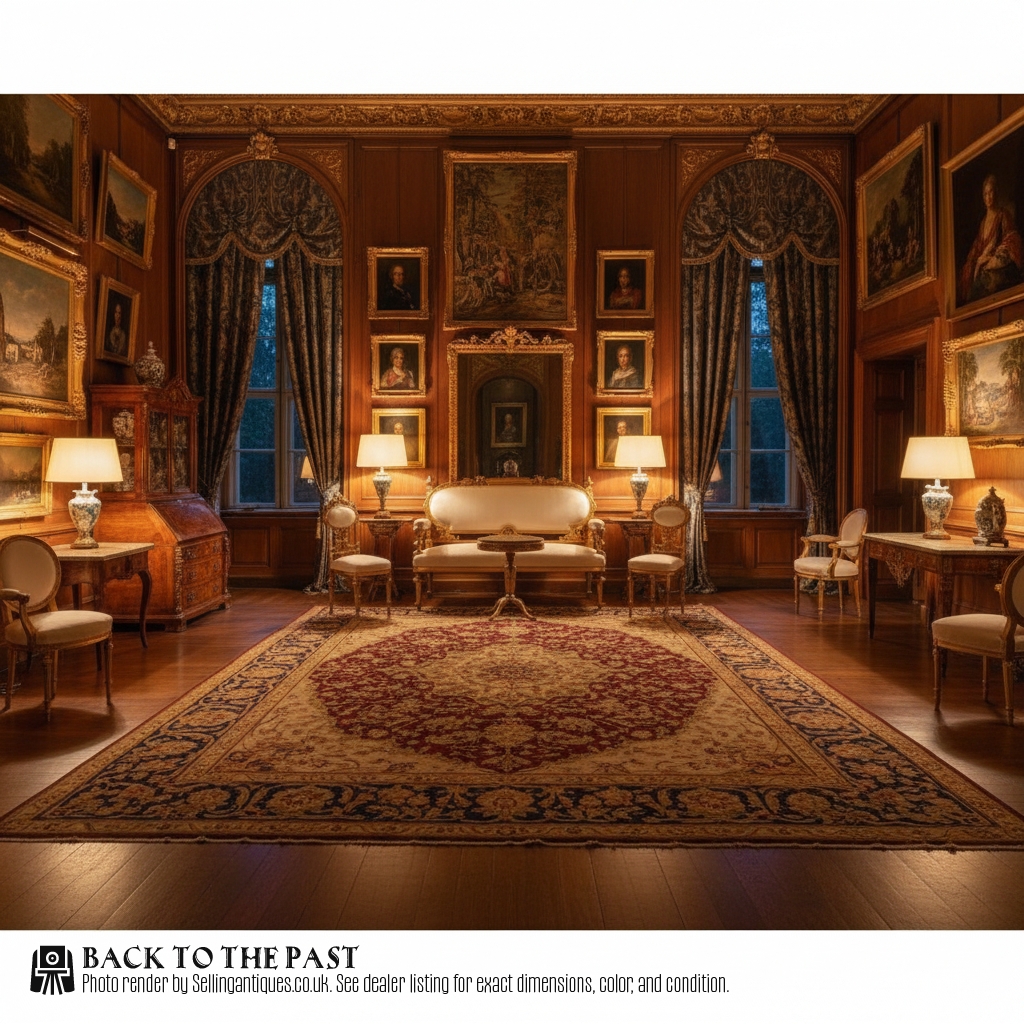
These neoclassical giltwood sofa examples bring stately elegance and carved classical lines to a grand drawing room.
Neoclassical Giltwood Sofa
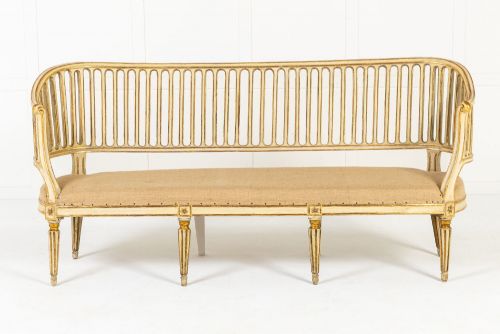
A neoclassical giltwood sofa combines classical architectural restraint with the decorative warmth of gold leaf applied over timber. These pieces span the eighteenth century through to nineteen hundred, including French Louis XVI models and Swedish Empire interpretations.
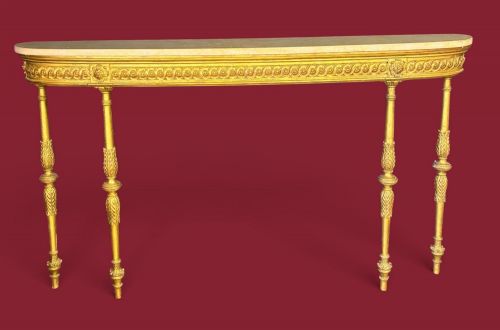
Most examples found here appear as French or Italian settees and large three seater sofas rather than standard domestic settees. The forms encompass painted wood frames, gilt framed hall seats, and console tables paired with related seating.
Buyers seek these items for their balanced proportions, rectilinear or gently curved frames, and direct references to antiquity. They function as both statement seating and historical works of decorative art within formal interiors.
How these pieces were made
Makers shaped structural wooden frames from timber, preparing surfaces to receive delicate layers of gold leaf or paint finishes. Upholstery techniques involved traditional stuffing methods beneath surface coverings such as linen and silk damask.
Carvers executed classical motifs directly into the wood before gilding, while associated pieces integrated carved marble tops for console variants. The integration of painted wood and gilt elements required precise hand finishing by skilled artisans.
Materials recorded across the inventory include giltwood, gold leaf, painted wood, marble, linen, and silk damask upholstery.
What varies in quality
Quality rests upon the crispness of the carved ornamentation and the finesse of the original or period gilding. Superior examples display deeply articulated classical details and well proportioned frames that command a room without feeling heavy.
The choice of covering material, from plain linen to patterned silk damask, reflects the original commission's status. Finer pieces maintain structural integrity in the joinery alongside harmonious integration between painted surfaces and gilt highlights.
The Neoclassical Giltwood Sofa Glossary
- Giltwood
- Wood that has been coated with thin sheets of gold leaf. This finish gives the carved frames their characteristic luminous metallic sheen.
- Neoclassical
- A style spanning the eighteenth and nineteenth centuries inspired by classical antiquity. It favours straight lines, symmetry, and architectural motifs.
- Settee
- A medium sized upholstered seat with a back and arms, designed for multiple occupants. The term often interchanges with sofa across these periods.
- Silk damask
- A reversible figured fabric traditionally woven from silk. It provides a rich, textured upholstery surface on formal seating.
- Louis XVI
- A French design style defined by classical restraint and rectilinear forms. It stands in contrast to the earlier curving rococo aesthetic.
Neoclassical Giltwood Sofa: Frequently Asked Questions
What defines a neoclassical giltwood sofa?
These seating pieces feature rectilinear frames, classical carved motifs, and surfaces finished in gold leaf. They draw upon ancient Greek and Roman design principles.
Originating across various European workshops, they serve as formal seating designed to anchor grand rooms.
How do I care for giltwood furniture?
Keep these pieces away from direct sunlight and moisture to protect the delicate gold leaf surface. Dust gently with a soft, dry cloth rather than using liquid polishes.
Professional conservation helps maintain the integrity of both the carved wooden frame and the historical gilding.
Where were these sofas used historically?
Owners placed them in reception rooms, grand halls, and formal drawing rooms to display wealth and taste. They functioned primarily as seating for guests during social gatherings.
Their striking visual presence made them central decorative elements within elite domestic interiors.
How can I tell the period of a settee?
Examine the construction methods, tool marks on the timber frame, and the style of the carved ornamentation. Eighteenth century pieces often show different joinery techniques compared to nineteenth century revivals.
Comparing the specific motifs against documented Louis XVI or Empire design books clarifies the timeline.