





Neoclassical Garden Sculpture
Neoclassical garden sculpture brings classical antiquity into modern grounds through figures, busts, and altars.
Neoclassical Garden Sculpture
Neoclassical garden sculpture encompasses figures, busts, and architectural elements derived from classical antiquity. Buyers searching for neoclassical garden sculpture encounter garden statues, garden statuary, sculptures, busts, architectural antiques, and pedestals.
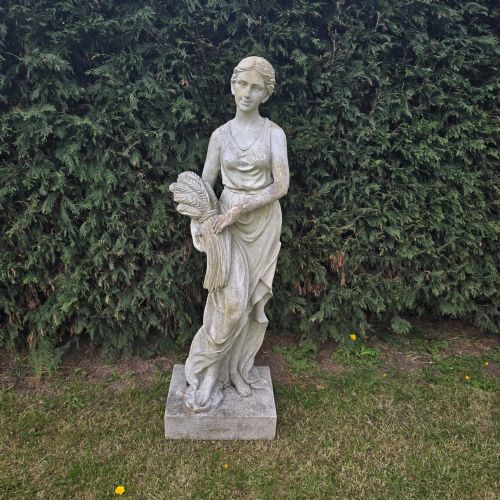
Forms include large garden statues on pedestals, draped ladies, water carriers, and carved marble sculptures of Una and the lion. Pieces appear as standalone figures or mounted upon complementary stone plinths and pedestals.
Materials and production methods
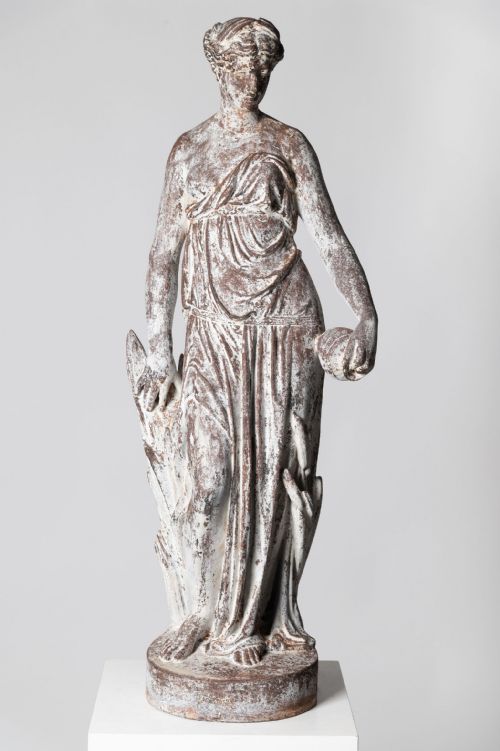
Foundries produced cast iron statues and busts, notably through makers such as Val d'Osne in the nineteenth century. Plaster serves for large classical figures like water carriers.
Durable outdoor display relies on cast stone, reconstituted stone, composition stone, and concrete. These moulded materials replicate the appearance of carved stone for garden settings.
Neoclassical Garden Sculpture Retail Price Guide 2026
Typical asking prices for neoclassical garden sculpture among the pieces listed under this phrase on Sellingantiques today, from the lower quarter to the upper quarter. They describe what is for sale here now, not the wider market.
Sculptures of Una and the lion bring Victorian literary romance directly into the shrubbery.
Distinctions in quality
Quality rests on the integrity of the material, separating hand-carved solid marble and Carrara marble from moulded cast stone or concrete. Fine carving in marble reveals crisp drapery and facial detail, whereas cast mediums depend on the sharpness of the original mould.
Foundry work distinguishes iron and bronze pieces, where precise metal casting preserves anatomical proportion and surface expression. Val d'Osne foundry pieces demonstrate the standard achieved by commercial metalworks.
Proportion and scale dictate visual success, particularly in life-sized figures, pedestals, and busts of Athena or classical maidens. The harmony between statue and plinth determines whether the piece commands its architectural space.
Val d Osne foundry·Greuze
The Neoclassical Garden Sculpture Glossary
- Neoclassical Revival
- A style drawing inspiration from the classical art and culture of ancient Greece and Rome. This revival manifests in garden statues and architectural antiques.
- Carrara Marble
- A type of white or blue-grey marble quarried in the city of Carrara in Tuscany. It is prized for fine sculptural carving.
- Cast Stone
- A refined architectural concrete building product manufactured to simulate natural cut stone. It is utilised for garden statuary and pedestals.
- Plinth
- A heavy flat-topped base upon which a statue, column, or bust is mounted. Pedestals and plinths elevate garden sculptures.
- Grand Tour
- A traditional trip of Europe undertaken by upper-class European young men of sufficient status. These travellers collected antique marble statues and busts.
Neoclassical Garden Sculpture: Frequently Asked Questions
What is neoclassical garden sculpture?
Neoclassical garden sculpture comprises statues, busts, and architectural elements modeled after ancient Greek and Roman art. These pieces depict mythological figures, allegories, and classical maidens designed for display in gardens and grounds.
Materials range from carved marble and terracotta to cast iron, bronze, and reconstituted stone. They span periods from the nineteenth century through the mid-twentieth century.
Where were these sculptures placed?
These sculptures sit upon stone pedestals and plinths within garden settings, courtyards, and architectural spaces. Life-sized figures and busts function as focal points along pathways or terminate garden vistas.
Smaller pieces and marble busts historically decorated interiors or grand tour collections before moving into garden environments.
How do I distinguish marble from cast stone?
Carved marble displays natural veining and the subtle tool marks left by the sculptor during hand-carvation. Solid marble feels cold to the touch and possesses a crystalline structure.
Cast stone and composition stone are moulded materials that often show uniform surfaces or mould seams. They lack the crystalline depth of genuine carved marble.
Are cast iron statues outdoor-safe?
Cast iron statues from foundries like Val d'Osne were built for robust outdoor placement. Iron develops a stable oxidized surface over time when exposed to the elements.
Maintenance involves monitoring the surface finish and applying protective treatments to prevent deep corrosion.