






Classical Head Statue Pedestal
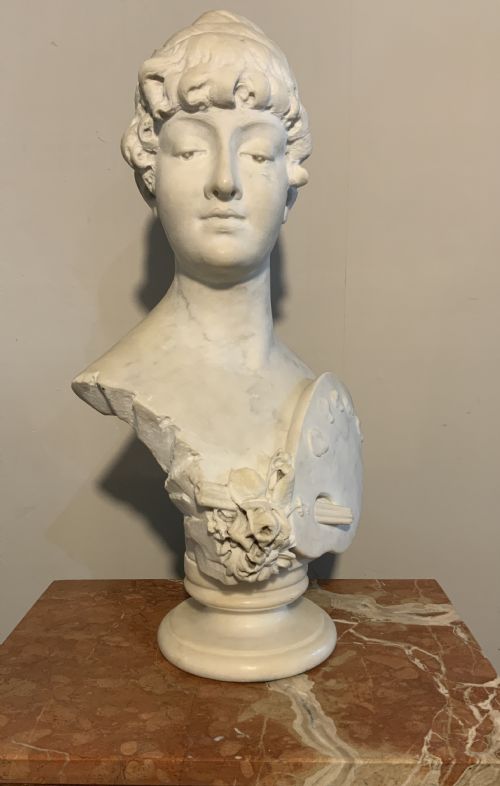
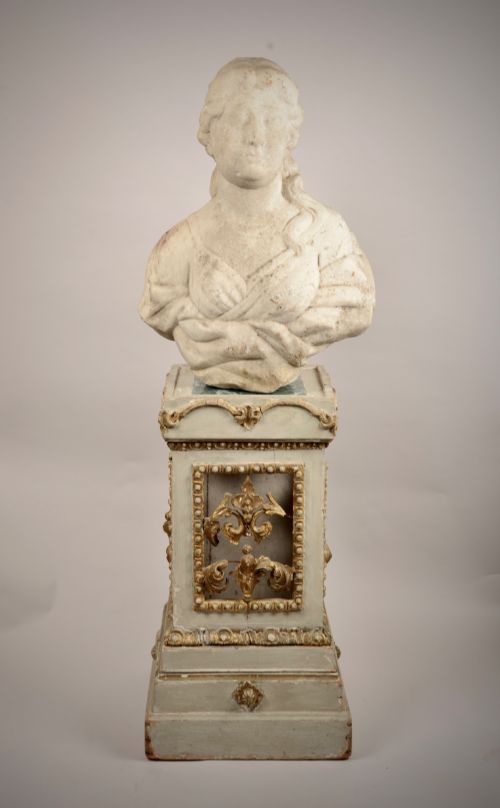
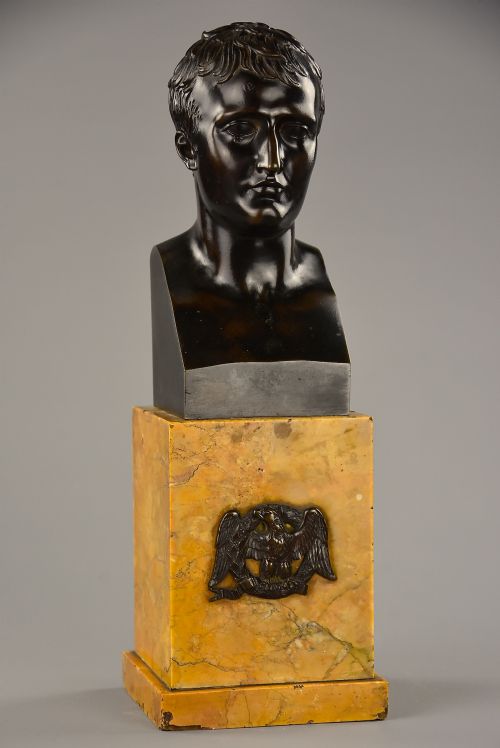
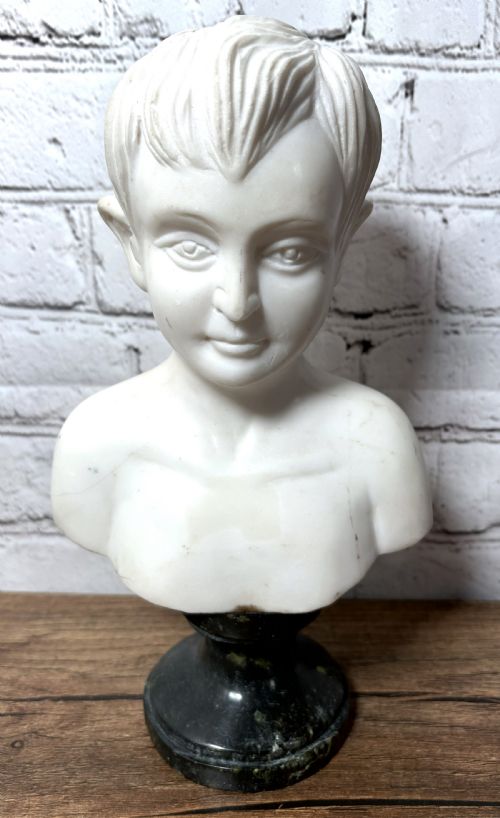
These classical head statue pedestal arrangements bring sculptural presence to a room, offering carved marble, cast stone, and bronze portraits raised on sturdy plinths.
Classical Head Statue Pedestal
The pieces appearing on this page span several centuries, reaching from the seventeenth century through to the mid-twentieth century. You find seventeenth-century marble heads alongside Victorian bronze studies and twentieth-century stone garden pieces. Neoclassical and Baroque styles dominate the selection, showing classical subjects alongside historical figures and gentlemen.
Materials vary widely across these listings, encompassing Carrara marble, reconstituted stone, cast stone, bronze, wood, and plaster. Some examples pair a marble bust with an integrated base, whilst others combine a stone bust with a separate plinth. The scale shifts from intimate library carvings to grand garden installations.
How they were made
Carvers shaped marble and wood directly from the block using chisels and rasps, capturing fine facial details and drapery. Statues in bronze utilised the lost-wax casting method, followed by hand-chasing and chemical patination to achieve surface depth. Plaster and cast stone examples relied on moulds taken from original sculptures, allowing multiple casts of subjects like David or Athena.
Classical Head Statue Pedestal Retail Price Guide 2026
Typical asking prices for classical head statue pedestal among the pieces listed under this phrase on Sellingantiques today, from the lower quarter to the upper quarter. They describe what is for sale here now, not the wider market.
Dr Stanley Armitage sat patiently for his Victorian bronze study, immortalising his distinguished expression in heavy metal.
What varies in quality
The finesse of the carving dictates the distinction between ordinary and exceptional portraiture, particularly in the rendering of hair, expression, and musculature. Softer materials like plaster rely entirely on the crispness of the original mould, whereas marble and bronze display the direct touch of the maker.
The choice of material elevates a piece, with Carrara marble and heavy cast bronze commanding greater presence than simple plaster or routine cast stone. Signed works by documented sculptors carry distinct authority, whereas anonymous garden pieces rely purely on their weathering and mass.
John Wenlock Rollins·Sir Thomas Brock·E. Villanis
The Classical Head Statue Pedestal Glossary
- Plinth
- A heavy base or square block upon which a statue, bust, or column rests. It raises the sculpture to a commanding viewing height.
- Bust
- A sculpted or cast representation of a person's head, shoulders, and upper chest. This format concentrates attention entirely upon facial expression and character.
- Carrara marble
- A type of white or blue-grey marble quarried in the city of Carrara in Tuscany, Italy. Sculptors prize it for its fine, uniform grain and subtle translucency.
- Neoclassical
- An artistic style inspired by the classical art and culture of ancient Greece and Rome. It emphasises austere dignity, proportion, and classical mythological or historical subjects.
- Patination
- The surface coloration and texture developed naturally through age or applied chemically by the maker. Bronze patination ranges from deep brown to rich green tones.
Classical Head Statue Pedestal: Frequently Asked Questions
Where should I place a heavy marble bust?
Heavy marble and stone busts require a sturdy surface or a dedicated stone pedestal capable of supporting substantial weight. Position them away from high-traffic household areas where they might be accidentally knocked.
Ensure the supporting floor is level, particularly when combining a heavy bust with a tall garden plinth or column.
Can these garden statues stay outside in winter?
Cast stone and stone garden pieces generally withstand outdoor conditions, provided they are cleared of standing water during freezing weather. Severe frost can cause porous materials like plaster or inferior stone to crack.
Marble and bronze pieces often benefit from being brought indoors or sheltered under cover during harsh winter months to protect their surfaces.
How do I clean a marble library bust?
Dust marble surfaces gently using a soft, dry brush or a microfiber cloth to prevent dirt from settling into the porous stone. Avoid using household chemical cleaners, detergents, or abrasive scrubbing pads.
Stubborn marks require specialist conservation cleaning rather than conventional water washing, which can stain certain types of marble.
How do I identify a seventeenth century marble head?
Seventeenth-century Italian baroque sculptures often display dramatic turn of the head, deep undercutting in the hair, and characteristic tool marks on the underside. The weathering and historical patina accumulate naturally over centuries.
Compare the carving technique and subject matter against documented museum examples from the same period to confirm authenticity.