

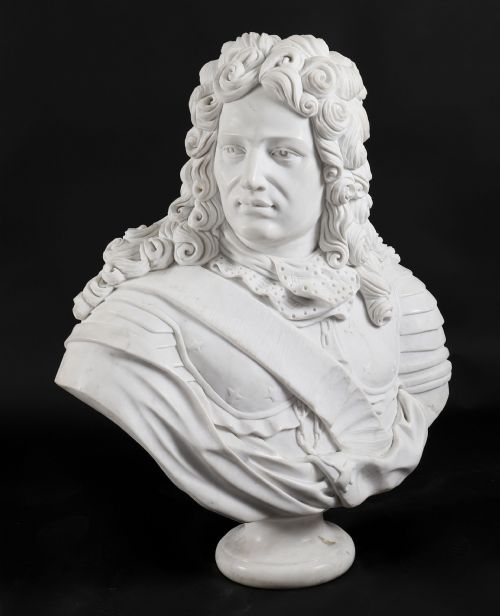


Antique Style Stone Bust
These antique style stone bust pieces capture classical grace and historical presence, offering collectors timeless sculptural character for interiors and gardens alike.
Antique Style Stone Bust
An antique style stone bust brings classical portraiture and figurative sculpture directly into domestic spaces, drawing on historical forms ranging from medieval figures to philosophers and young girls. Buyers searching for an antique style stone bust encounter diverse expressions cast in marble, alabaster, plaster, and stone, often presented alongside complementary pedestals and columns.
The objects span multiple centuries of European craftsmanship, including 18th-century compositions and Victorian interpretations. Many pieces reflect revival movements such as the Neoclassical, Renaissance Revival, and Victorian Classical Revival, demonstrating enduring fascination with historical portraiture.
Examples on this page include standalone carved marble heads, garden pedestals with integrated busts, and simulated stone plaster creations. Origin points range across Italy, Austria, England, and Poland, showing how various European workshops reinterpreted classical and religious subjects.
Materials and construction methods
Carvers utilised natural stones like marble and alabaster, shaping fine-grained materials by hand to capture delicate facial expressions and draped garments. Alabaster offers a translucent quality that diffuses light across the surface, while Carrara marble provides a dense, uniform medium for detailed carving.
Alternative pieces employ cast stone, reconstituted stone, or simulated stone plaster over armatures to replicate the weight and appearance of carved masonry. Pigment and gilt bronze accents occasionally appear to highlight specific details or provide contrast against the primary stone body.
Antique Style Stone Bust Retail Price Guide 2026
Typical asking prices for style stone bust among the pieces listed under this phrase on Sellingantiques today, from the lower quarter to the upper quarter. They describe what is for sale here now, not the wider market.
Listings feature works from the eighteenth, nineteenth, and twentieth centuries, encompassing materials such as marble, alabaster, plaster, and cast stone.
Evaluating sculptural execution
Material selection also dictates overall grade, with unblemished natural stone and finely prepared alabaster commanding greater visual presence than simpler plaster casts. The harmony between the bust and its supporting pedestal or column further influences the integrity of the ensemble.
Mieczyslaw Leon Zawiejski·Antonio Rossellino·GREUZE
The Antique Style Stone Bust Glossary
- Neoclassical
- A style reflecting the art and culture of ancient Greece and Rome. This aesthetic prioritises balanced proportions and dignified subject matter.
- Pedestal
- A structural support or column designed to elevate a bust or sculpture. These elements create a formal focal point within a room or garden.
- Relief sculpture
- A sculptural technique where figures project from a background plane. Examples include head and shoulders compositions mounted on panels.
- Carrara marble
- A high-grade white or blue-grey marble quarried in Italy. Sculptors prize this material for its consistent texture and subtle veining.
Antique Style Stone Bust: Frequently Asked Questions
Where should I place a stone bust?
These sculptures suit entrance halls, libraries, and living spaces where they can sit at eye level on a sturdy table or dedicated column. Placing them near natural light sources helps reveal the subtle contours of carved stone.
For outdoor garden statuary versions, position them sheltered from harsh frost to protect the integrity of the stone over time.
Are these pieces solid stone?
Materials vary significantly across the available selections. Some pieces are carved from solid natural stones such as marble and alabaster, while others utilise cast stone, reconstituted stone, or simulated stone plaster.
Examining the underside or weight of the object helps determine the exact medium used by the maker.
How can I identify the period?
Dating relies on stylistic clues, tool marks, and material choices characteristic of specific revival movements like the Victorian era or Neoclassical period. Historical subjects often reference specific centuries or famous artists after whom works were modelled.
Comparing the handling of drapery and facial expression against known period pieces provides further guidance on age.