


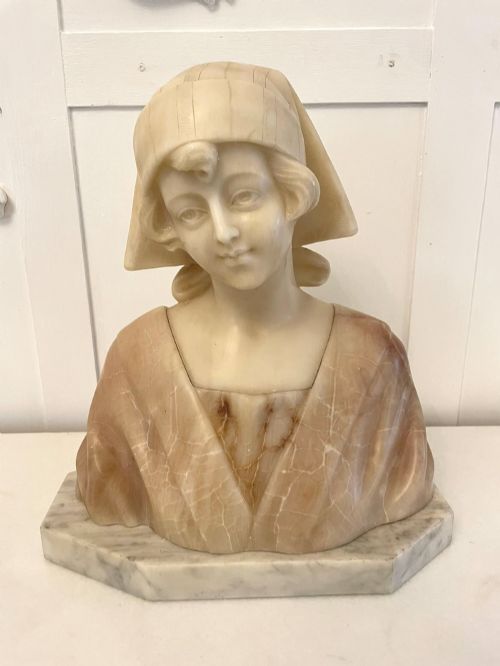

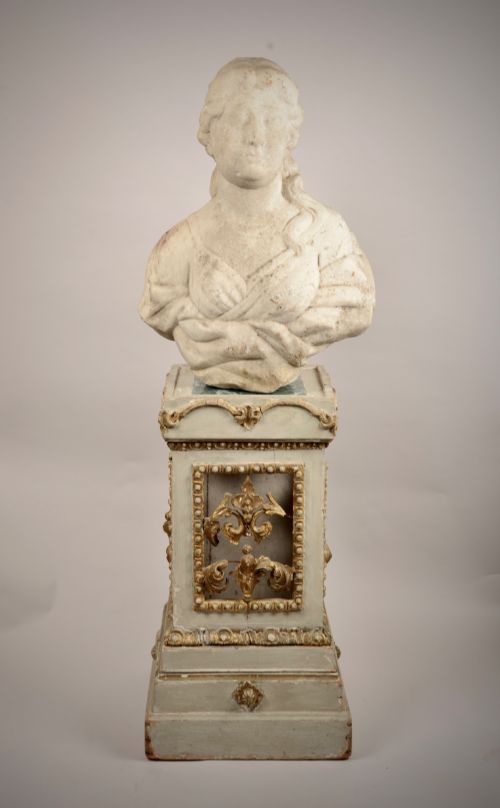


Stone Bust on Plinth
A stone bust on plinth brings classical presence into a room or garden, pairing sculpted portraits with sturdy pedestals.
Stone Bust on Plinth
When you search for a stone bust on plinth, you are looking at figural sculpture paired with a supporting column or pedestal. These pieces range from garden statuary to interior display pieces drawn from multiple centuries of craftsmanship.
The versions you are most likely to meet on this page include garden ornaments in reconstituted or cast stone alongside refined marble portraits from the nineteenth century. Subjects such as David, Apollo, Athena, and classical philosophers appear frequently atop matching columns.
Origins span British and European workshops, encompassing grand tour souvenirs and garden pieces alike. Each combination of bust and plinth reflects classical revival tastes stretching from the seventeenth century through the mid twentieth century.
Materials and construction
Cast and reconstituted stone serve outdoor garden examples, blending crushed aggregate with binders to withstand the elements. Scagliola and painted wood also appear in pedestals, offering alternative finishes that mimic solid stone or marble through expert plasterwork.
Stone Bust on Plinth Retail Price Guide 2026
Typical asking prices for stone bust on plinth among the pieces listed under this phrase on Sellingantiques today, from the lower quarter to the upper quarter. They describe what is for sale here now, not the wider market.
Philosophers and ancient deities keep a silent, unchanging watch over gardens and hallways alike, seemingly unimpressed by the changing centuries.
Judging quality and execution
The skill of the carver dictates the nuance in facial expressions, hair, and drapery on marble busts. Finer examples show crisp anatomical detail and subtle shading in the stone, whereas simpler garden pieces rely on bolder, more robust forms suited to outdoor viewing.
Proportion between the bust and its supporting column dictates the visual balance of the piece. Matching materials and period-appropriate pedestals elevate the cohesion of the ensemble compared to later assembled pairings.
The Stone Bust on Plinth Glossary
- Plinth
- The base or pedestal supporting a statue or bust. It elevates the sculpture to a suitable viewing height.
- Carrara marble
- A type of white or blue-grey marble from the city of Carrara in Italy. Sculptors prize it for its uniform grain.
- Scagliola
- A composite material made from selenite, glue, and pigments. Artisans use it to imitate marble and other fine stones.
- Garden statuary
- Sculptures and figures designed specifically for placement outdoors. These withstand weathering through durable aggregate or stone mixes.
Stone Bust on Plinth: Frequently Asked Questions
Where should I place a stone bust on plinth?
Interior marble pieces suit hallways, libraries, or drawing rooms where natural light highlights the carved details. Weathered stone examples fit garden terraces, courtyards, or focal points along garden paths.
Ensure the floor or ground surface provides a level foundation to support the combined weight of the bust and column safely.
How do I clean an antique marble bust?
Dust the surface regularly with a soft, dry cloth to prevent dirt accumulation within the carved crevices. Avoid harsh chemical cleaners or abrasive scrubbing pads that scratch the polished stone.
For stubborn marks, consult a professional conservator specialising in historic marble rather than attempting chemical treatments yourself.
Can garden stone busts stay outside in winter?
Cast stone and reconstituted stone pieces generally withstand outdoor conditions, especially if they are well weathered and robustly constructed. Hard freezing temperatures can occasionally cause moisture trapped in pores to expand and crack the material.
Covering the sculpture during severe frost or moving delicate pieces into a shed or greenhouse prolongs their lifespan.
Are the bust and plinth always sold together?
Many listings present the bust and plinth as a unified ensemble designed to match in period and material. Some pieces originate from separate sources brought together for display purposes.
Check the description details to understand whether the combination represents a matched pair or a complementary pairing.