





Weathered Outdoor Stone Sculpture
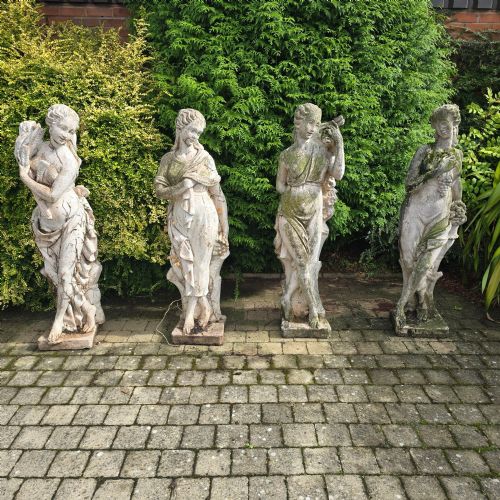
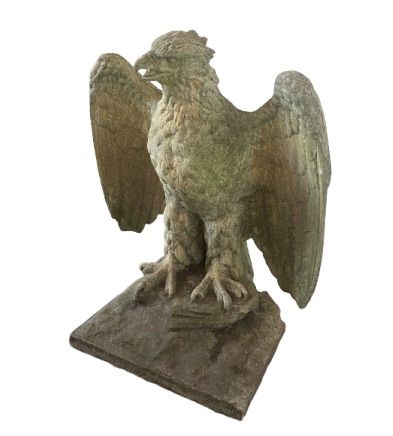
These weathered outdoor stone sculpture pieces bring classical figures, animals and architectural finials to gardens, showing decades of patination.
Weathered Outdoor Stone Sculpture
When you search for weathered outdoor stone sculpture, you encounter garden ornaments, statues, and architectural elements designed to occupy grounds and terraces. The pieces on this page span several centuries, reaching from pre-sixteenth century carvings up through nineteenth century figures and twentieth century productions.
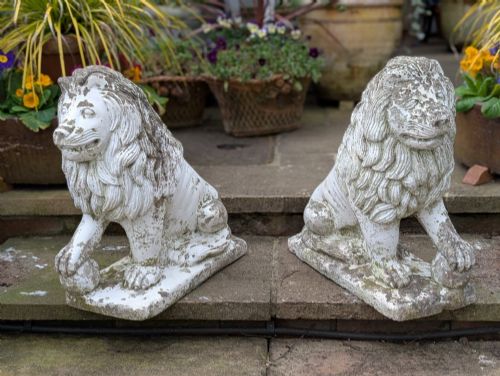
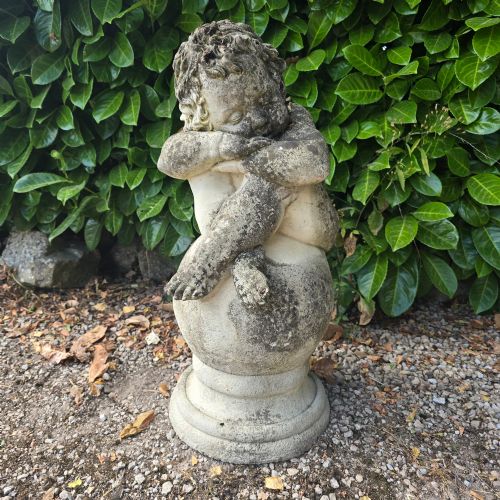
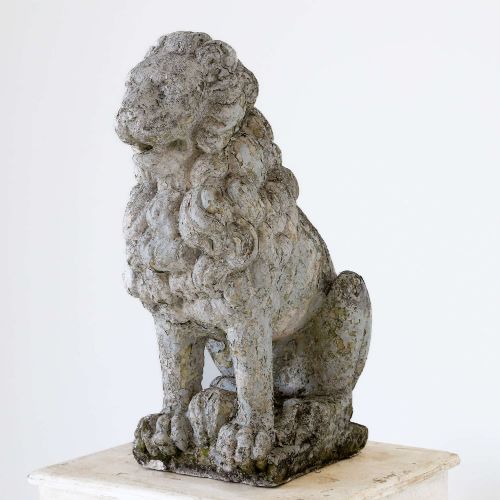
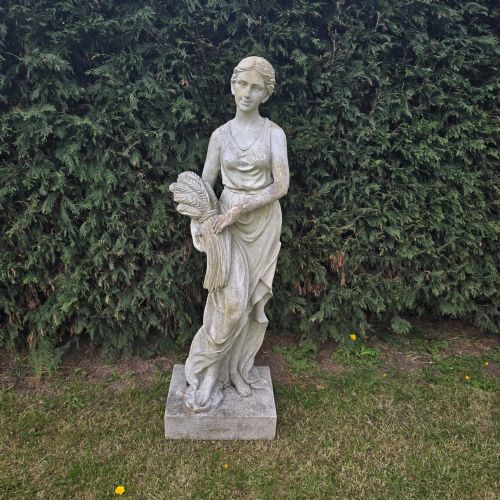
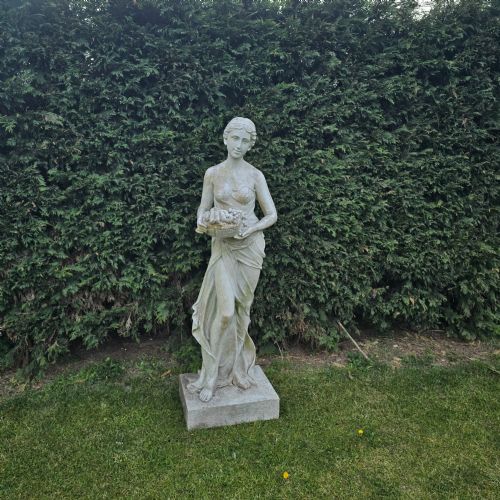
You meet animal representations including lions, eagles, pigs, pigeons and staddle stones alongside human forms like cherubs, classical goddesses and architectural finials. Many sit upon matching pedestals and plinths to elevate their presence in the landscape.
The selection ranges from traditional eighteenth century vernacular items to nineteenth century French and Italian imports and mid-twentieth century garden sculpture. These objects establish focal points in planting schemes and open courtyards alike.
Materials and Construction
Makers utilised a variety of media, predominantly cast stone, reconstituted stone, composite stone and natural sandstone or carved marble. Cast and reconstituted stone allowed workshops to pour aggregate mixtures into moulds, replicating detailed classical designs efficiently.
Weathered Outdoor Stone Sculpture Retail Price Guide 2026
Typical asking prices for weathered outdoor stone sculpture among the pieces listed under this phrase on Sellingantiques today, from the lower quarter to the upper quarter. They describe what is for sale here now, not the wider market.
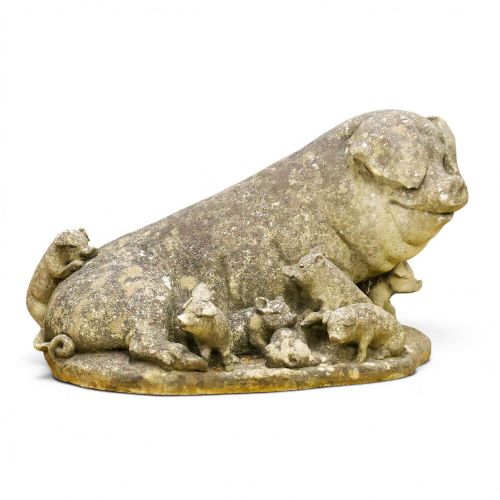
A cast stone sow accompanied by seven piglets stands ready to root through your herbaceous borders.
Judging Quality
The quality of a piece rests upon the crispness of the original moulding or carving and the depth of natural weathering it has acquired. Sculptures with well-defined anatomy and balanced proportions command greater presence than softer, more diluted casts.
Scale and integrity also separate examples, as monumental pairs of lions or large allegorical figures demonstrate ambitious proportions. The character of the surface patina, formed by genuine age and organic growth, completes the visual merit.
The Weathered Outdoor Stone Sculpture Glossary
- Reconstituted Stone
- A manufactured material made from crushed stone and binding agents moulded into architectural or sculptural shapes. It mimics the appearance of natural quarried stone at a larger scale.
- Staddle Stone
- A mushroom-shaped stone block formerly used to support granaries or hayricks above the damp ground. These functional farm supports now serve as rustic garden ornaments.
- Pier Finial
- An ornamental architectural element placed on top of a gate pier or wall post. Common forms include stone eagles and lions.
- Plinth
- A heavy base or pedestal supporting a statue, urn or bust. Many garden sculptures are paired with matching plinths for elevation.
- Patination
- The surface alteration and mellowing of stone caused by age, weather, paint accumulation and organic growth like moss. It indicates long exposure to the outdoor environment.
Weathered Outdoor Stone Sculpture: Frequently Asked Questions
How do I place stone sculptures in a garden?
Position statues along primary sightlines, at the intersection of pathways or framed by clipped hedges to create intentional focal points.
Elevate smaller figures on plinths or pedestals so they remain visible above surrounding foliage as plants mature through the seasons.
Are these sculptures frost resistant?
Most cast stone, reconstituted stone and sandstone items withstand normal winter conditions, though severe freezing can affect porous materials.
Ensure pieces sit on gravel or stone rather than directly in standing earth to prevent moisture absorption during colder months.
How do I clean weathered stone?
Gentle brushing with water removes loose dirt while preserving the accumulated moss and patination that defines the age of the piece.
Avoid harsh chemical treatments or high-pressure washing, which strip away historical paint layers and erode the stone surface.
How can I tell the period of a stone statue?
Examine the tooling marks, the density of the aggregate and the style of the drapery or anatomy against established historical periods.
Nineteenth and twentieth century pieces often show standardised casting seams, whereas earlier vernacular items display individual hand-carved traits.