







Classical Stone Statue Head
A classical stone statue head brings antiquity into a room, offering the quiet dignity of carved marble, alabaster, or stone.
Classical Stone Statue Head
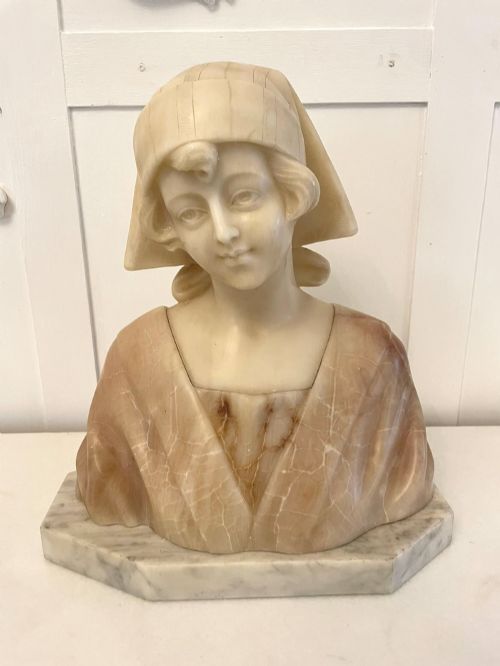
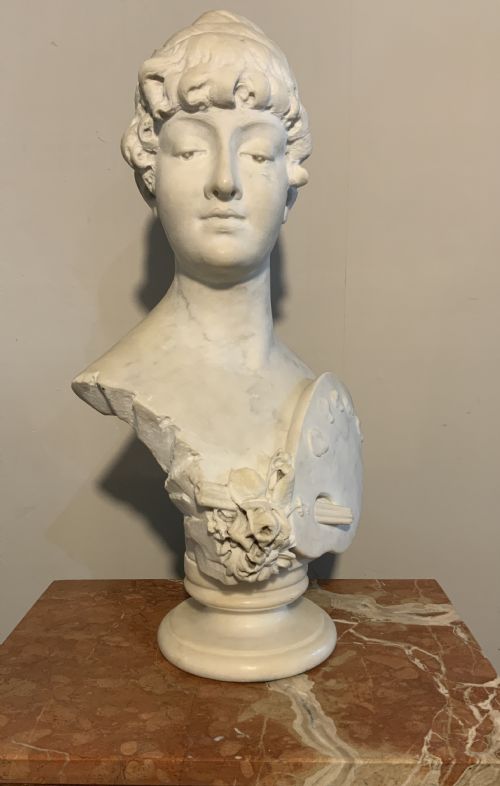
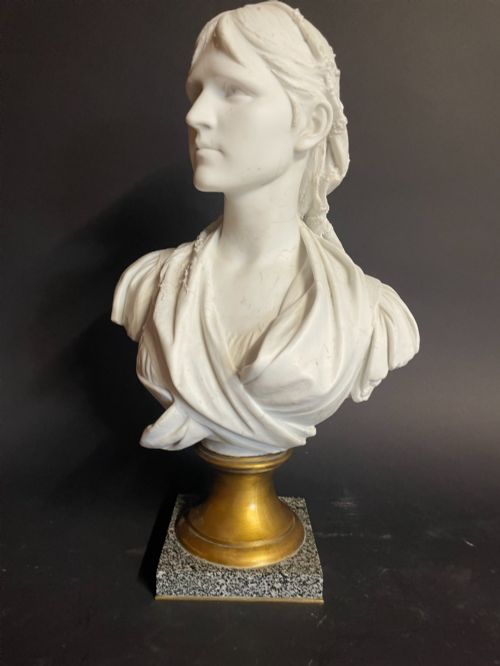
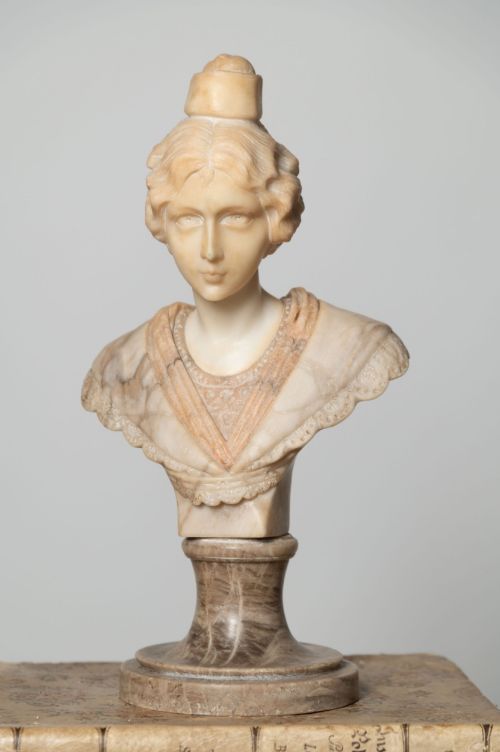
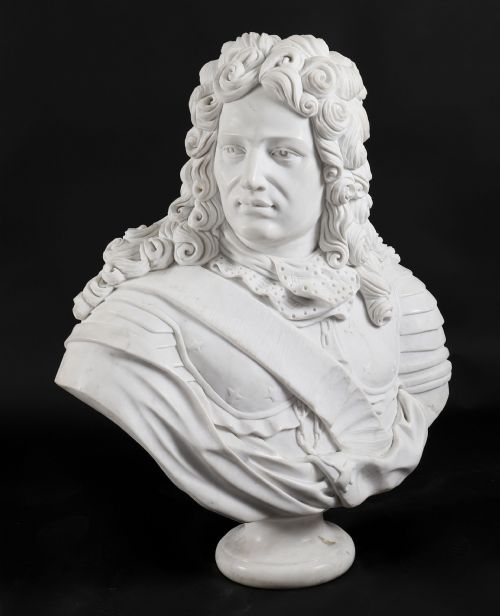
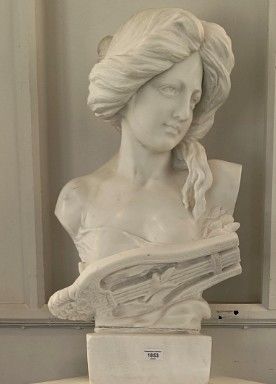
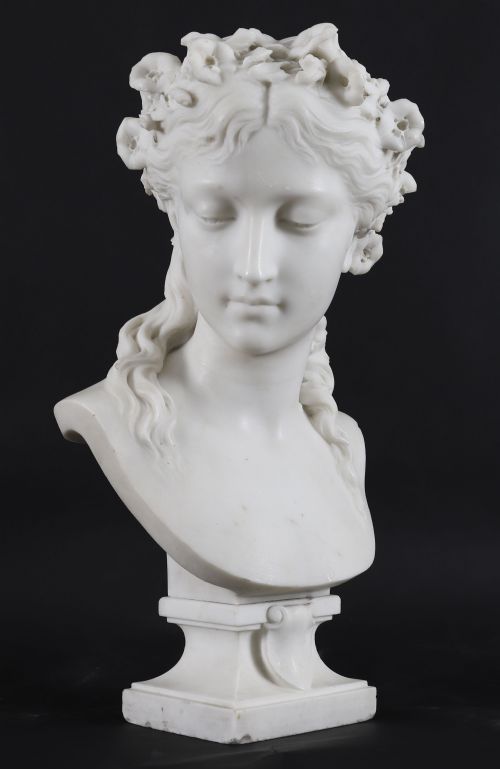
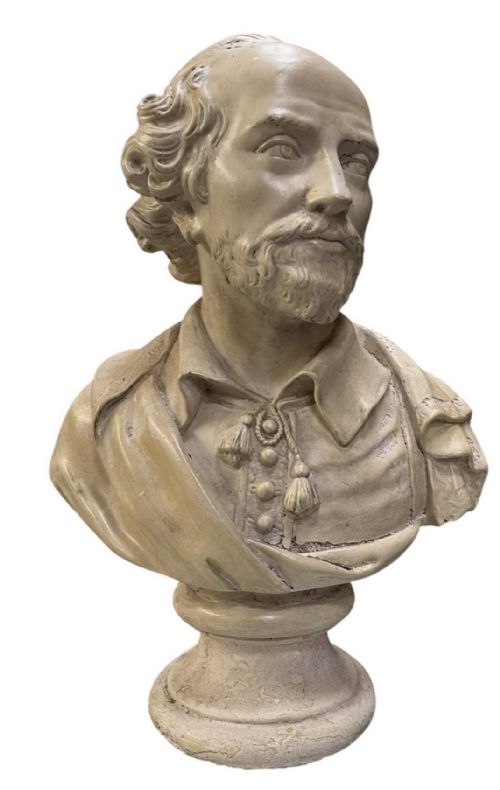
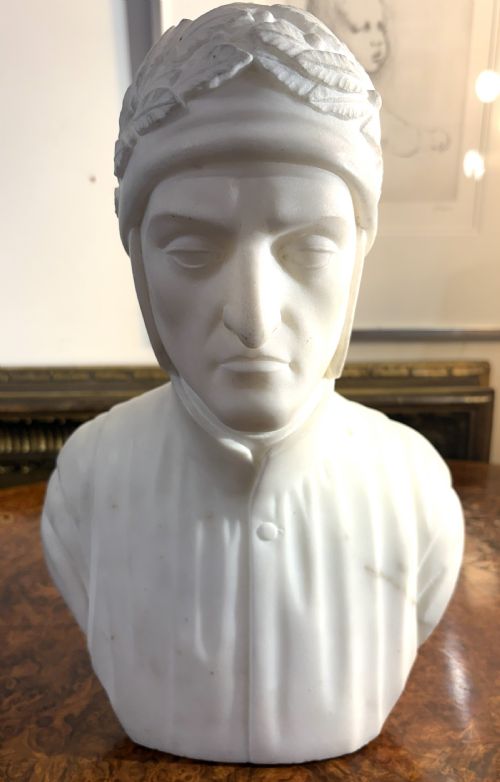
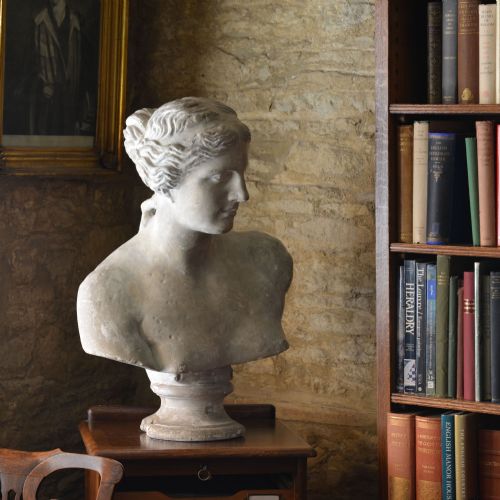
A classical stone statue head or portrait bust captures historical figures, literary icons, or idealised mythological subjects like muses and emperors. These carved likenesses draw from Neoclassical, Victorian, and Baroque traditions, translating classical antiquity into interior or garden ornaments.
The most common form on this page is the marble portrait bust, frequently carved from Carrara marble or softer alabaster. Pieces range from intimate library sizes to monumental civic porticoes, often mounted on dedicated stone or marble plinths.
Origins stretch across European workshops, with Italian, French, and English carvers dominating the selection. Works span from the seventeenth century through the nineteenth century and into early twentieth-century revivals.
Materials and Carving Methods
Carvers utilised natural stone, primarily white Carrara marble, fine-grained alabaster, and harder architectural stone, shaping them with chisels, rasps, and drills. Detail was refined by hand, capturing the soft fall of drapery, curling hair, and individual facial expressions.
Some pieces employ cast stone, reconstituted stone, or plaster for sculptural reproduction, particularly for garden statuary and library busts. These moulded or cast mediums allowed workshops to diffuse classical forms more widely while maintaining surface texture.
Classical Stone Statue Head Retail Price Guide 2026
Typical asking prices for classical stone statue head among the pieces listed under this phrase on Sellingantiques today, from the lower quarter to the upper quarter. They describe what is for sale here now, not the wider market.
Several marble gentlemen wear heavy armour while others sport classical drapery, proving that even stoic philosophers appreciated a dramatic costume change.
Distinctions in Quality
Quality rests in the anatomical precision of the carving, particularly the rendering of eyes, hair, and musculature. Superior pieces demonstrate deep undercutting in the stone, giving life to the subject rather than appearing flat or stiff.
The choice of material dictates longevity and refinement, with flawless Carrara marble and translucent alabaster holding finer detail than plaster or reconstituted stone. Signed works by known sculptors elevate a piece through documented artistic provenance.
Eugene Aizelin·Raffaelo Monti·John Wenlock Rollins·Mieczyslaw Leon Zawiejski·Auguste Moreau
The Classical Stone Statue Head Glossary
- Carrara marble
- A type of white or blue-grey marble from the city of Carrara in Italy, prized by sculptors for its fine, uniform grain.
- Alabaster
- A fine-grained, translucent stone that is softer than marble, often utilised for smaller interior portrait busts.
- Neoclassical
- A style spanning the eighteenth and nineteenth centuries that revived the aesthetic and proportions of ancient Greece and Rome.
- Plinth
- A heavy base or pedestal upon which a bust or statue is mounted to elevate the sculpture for display.
- Reconstituted stone
- A composite material made from crushed stone and a binder, cast into moulds to simulate natural carved stone.
Classical Stone Statue Head: Frequently Asked Questions
Where should I place a heavy marble bust?
Heavy stone and marble sculptures require robust furniture or a dedicated stone plinth that can safely support considerable weight. Ensure the display surface is level and structurally sound to prevent tipping.
Keep pieces away from direct heat sources and high-traffic household areas where accidental impacts could chip the carved edges or destabilise the base.
Are these pieces suitable for outdoor gardens?
Suitability depends strictly on the material recorded in the listing description. Cast stone, reconstituted stone, and specific garden statuary are formulated to withstand outdoor weather conditions.
Marble and alabaster busts are generally intended for interior display and will suffer frost damage or surface degradation if left exposed to harsh outdoor elements.
How do I distinguish nineteenth-century revival from earlier work?
Nineteenth-century Neoclassical and Renaissance revival pieces often exhibit machine-assisted finishing marks alongside hand-chiselled details, reflecting the industrial techniques of the period. Patination on the stone surface and tool marks provide clues to the workshop era.
Signatures, dates, or foundry stamps carved into the reverse or base offer definitive chronological markers for dating the sculpture accurately.