

Neoclassical Framed Wall Mirror
A neoclassical framed wall mirror brings balance and classical symmetry to a room, drawing the eye with restrained architectural details.
Neoclassical Framed Wall Mirror
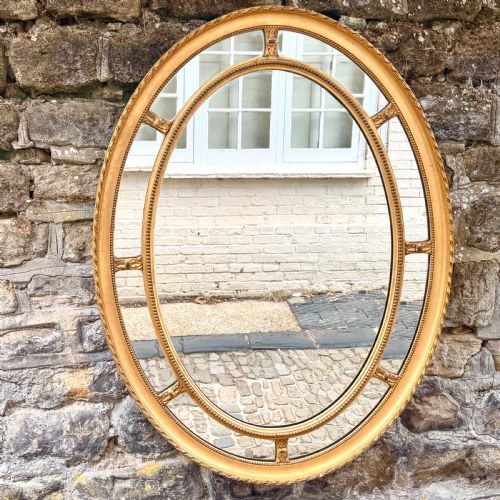
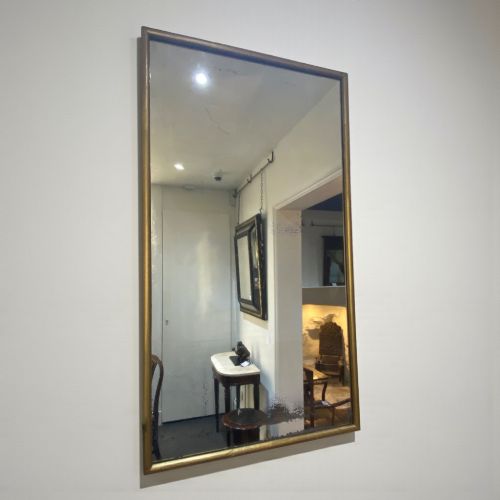
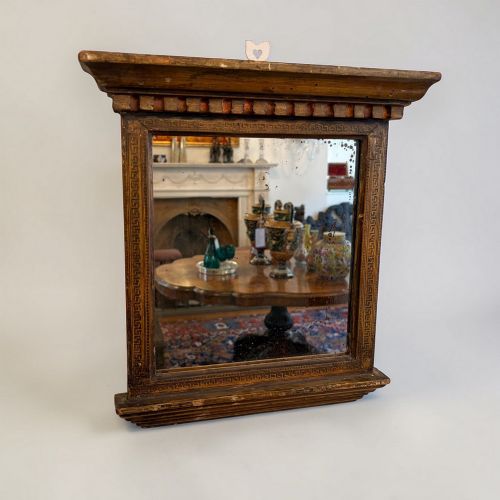
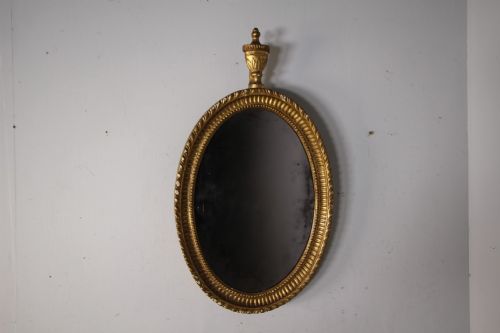
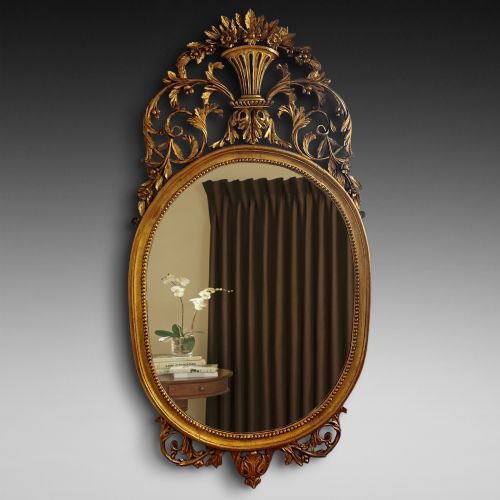
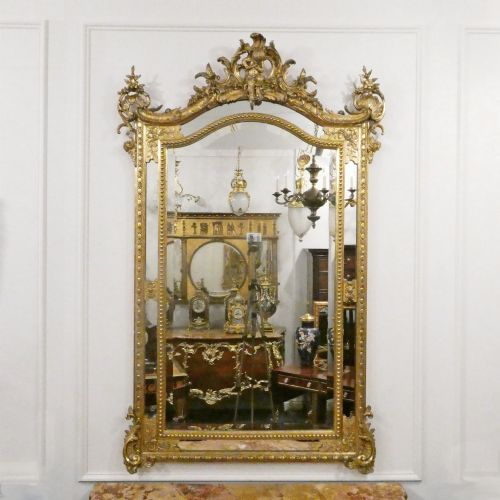
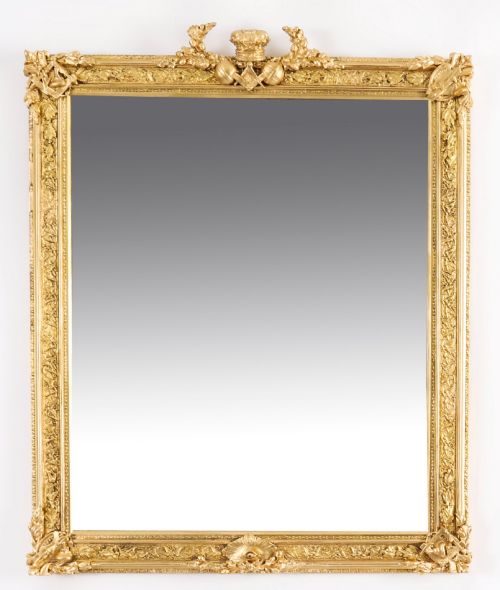
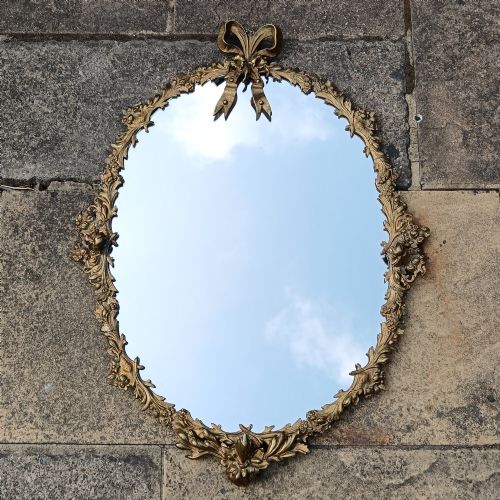
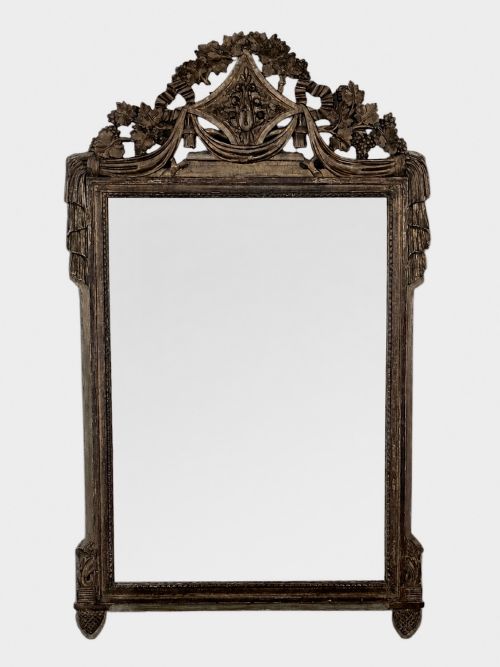
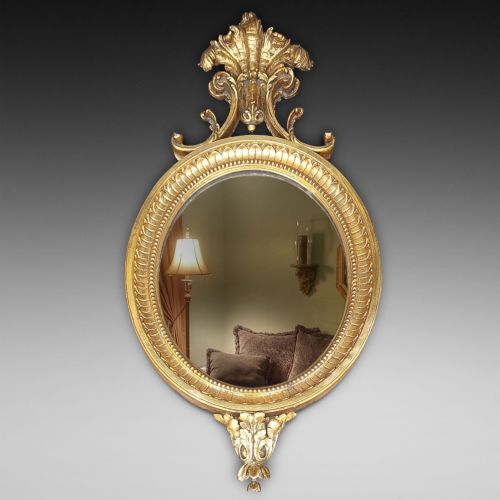
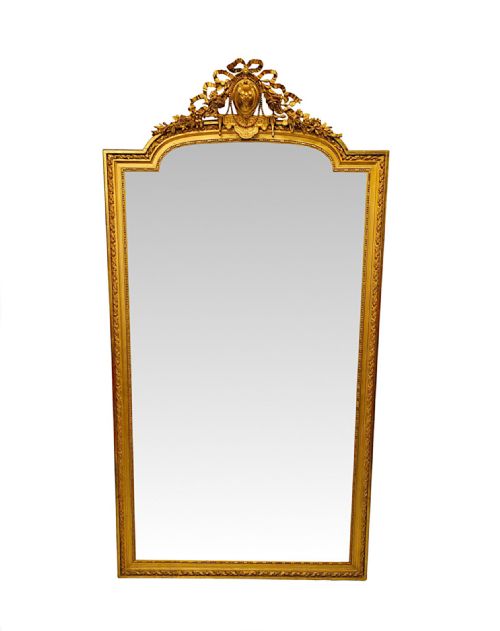
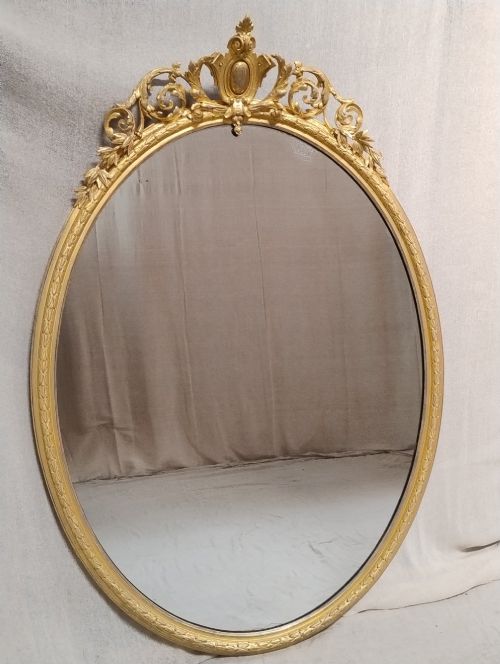
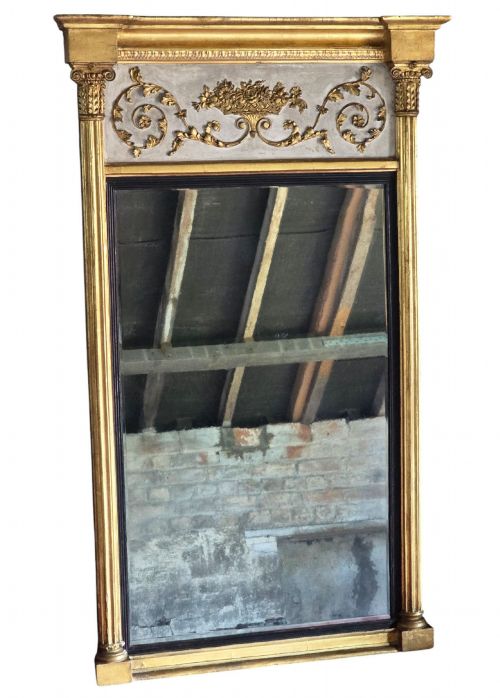
A neoclassical framed wall mirror reflects an aesthetic rooted in classical antiquity, appearing across the eighteenth and nineteenth centuries in forms ranging from neat oval wall plates to substantial overmantels. Buyers searching for a neoclassical framed wall mirror will encounter English and French examples spanning the Georgian, Regency, and Victorian eras, alongside later revivals.
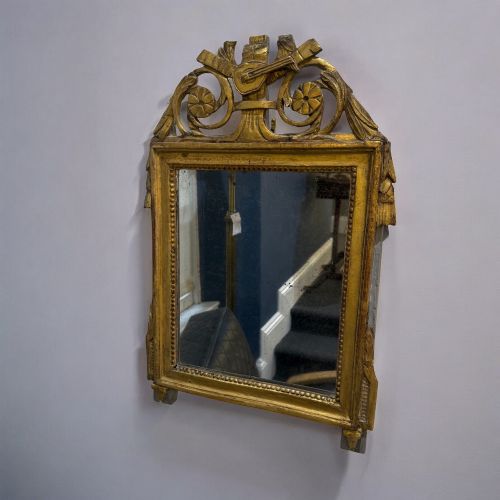
Overmantels and pier mirrors dominate the larger formats, designed to hang above a fireplace or between windows to amplify light and space. Smaller oval and round frames provide a more concentrated decorative focus, frequently displaying urns, ribbons, or beaded borders typical of the Louis XVI style.
Origins vary between domestic English workshops and continental centres, notably France and Italy, where carvers and gilders adapted classical motifs. The selection includes both restrained domestic pieces and grander statement items intended for formal reception rooms.
Materials and construction
Makers utilised timber substrates such as pine, oak, or ebonised wood, upon which they applied layers of gesso to build up crisp relief ornament. Gilding was achieved using gold leaf or paint, often combined with parcel-gilt highlights that contrasted against painted or dark wood grounds.
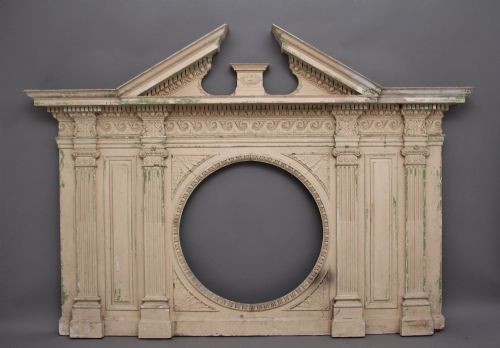
Composition, a moulded mixture of whiting, resin, and glue, allowed workshops to produce repetitive classical details like egg-and-dart borders and foliate swags efficiently. Bronze mounts appear on specific French examples, adding metallic depth to the wooden frames.
Glass plates in earlier pieces often exhibit the characteristic imperfections of mercury plate or early float methods, while nineteenth-century iterations frequently feature bevelled edges. The mirror glass is secured within the rebate using wooden backs, sometimes bearing the marks of historical framers.
The selection includes pieces spanning the Georgian, Regency, and Victorian periods, alongside specific Louis XVI style revivals.
Judging the work
Quality rests in the crispness of the carved or moulded ornament and the depth of the gilding. Superior pieces show hand-finished details where the gesso has not lost its sharpness beneath layers of subsequent overpainting or heavy cleaning.
The integrity of the plate contributes significantly to the object's character, with original mercury or early silvered glass retaining a soft, mottled reflection that differs from modern replacements. The underlying joinery of the wooden frame, particularly at the corners and mitres, reveals the maker's structural competence.
The Neoclassical Framed Wall Mirror Glossary
- Gesso
- A plaster-like preparation applied to wood frames to provide a smooth surface for gilding or painting. It accepts deep carving and moulding for classical motifs.
- Giltwood
- Timber that has been coated in gold leaf or gold paint. It provides the reflective warmth characteristic of traditional wall mirrors.
- Mercury Plate
- An older method of silvering mirror glass using a tin and mercury amalgam. This technique produces a distinctive, uneven reflection with dark speckling.
- Overmantel
- A large mirror designed specifically to hang above a fireplace mantelpiece. These pieces often span the width of the hearth.
- Pier Mirror
- A tall, narrow mirror traditionally hung on the pier, the wall space between two windows. It maximises natural light in a room.
Neoclassical Framed Wall Mirror: Frequently Asked Questions
Should I replace old distorted glass?
Original glass with foxing or slight distortion is generally preferred by collectors as evidence of age and authenticity. Replacing it alters the historic integrity of the object.
If the glass is completely shattered or unsafe, modern replacement is acceptable. However, retaining the original plate preserves the visual dialogue between frame and reflection.
How do I clean an antique gilt frame?
Dust giltwood frames gently with a soft, dry brush or feather duster to remove surface particles. Avoid liquid cleaners and chemical agents that can strip the delicate gold leaf.
Moisture can soften the underlying gesso and cause the gilding to flake away. Consult a professional conservator if the surface requires deeper cleaning.
How do I spot a reproduction?
Reproduction frames often betray their age through uniform machine carving and modern backing materials. Examine the fixings and the backboards for signs of genuine historical wear.
Older frames show shrinkage cracks in the gesso and oxidation patterns on the mirror plate that modern manufacturing struggles to replicate convincingly.