



Neoclassical Fireplace Dogs
Neoclassical fireplace dogs bring classical symmetry and refined metalwork to the hearth, offering structural elegance that anchors a traditional room.
Neoclassical Fireplace Dogs
When you search for neoclassical fireplace dogs, you encounter functional hearth furniture designed to hold logs above the hearth floor for better airflow. These pieces are also known as andirons or chenets, taking distinct forms across different decades.
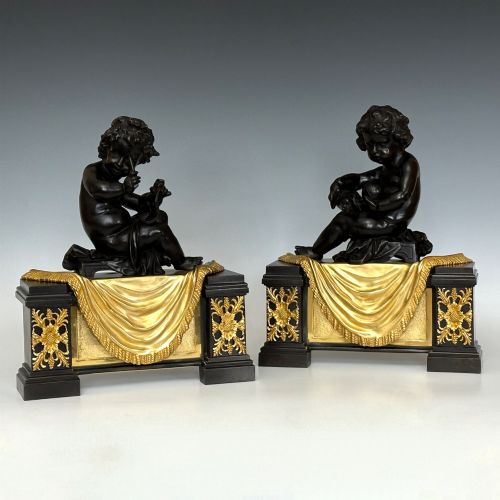
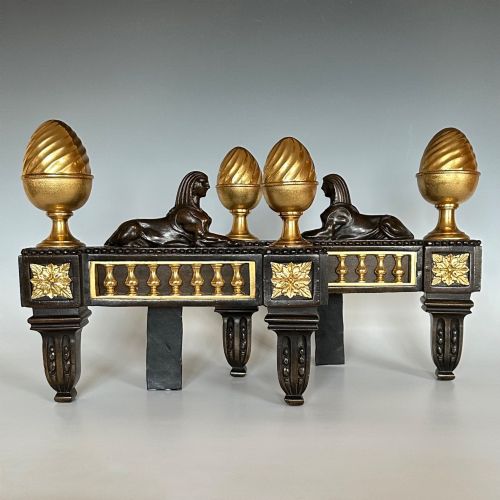
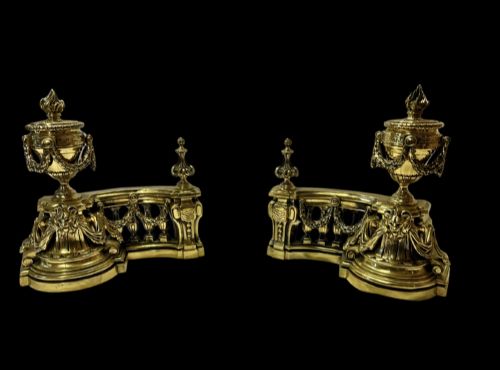
The selections available here range from austere Regency brass pairs to elaborate French chenets combining bronze and ormolu. You will also find Victorian iterations, Georgian examples, and later revivals spanning from the nineteenth century into the 1930s.
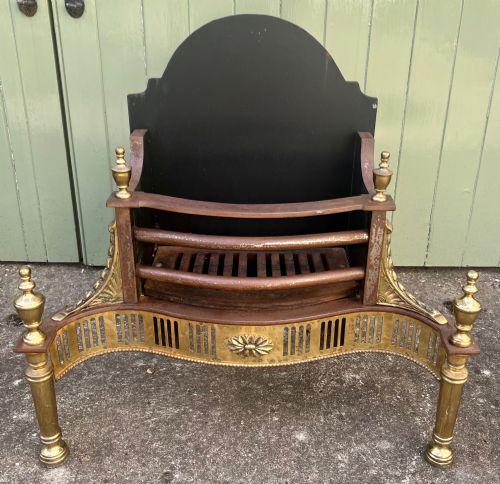
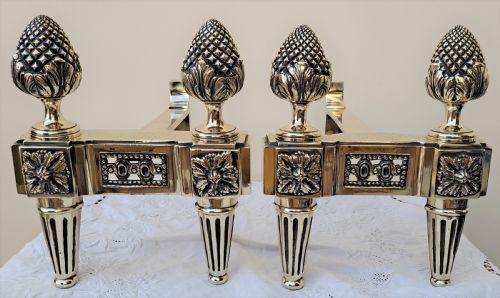
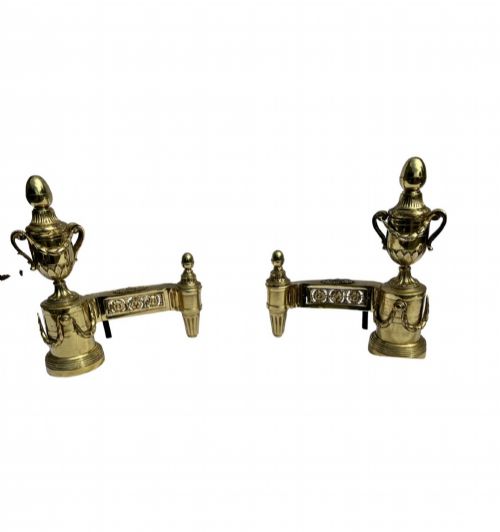
Many of these designs draw directly on Adam style or Louis XVI motifs, incorporating urns, fluting, and classical drapery. They function both as standalone decorative objects and as practical supports for fire grates and log baskets.
Materials and construction
Foundries utilised cast iron for the heavy internal bars and grates that endure direct heat, pairing it with decorative fronts in brass, bronze, and polished steel. Ormolu and gilt bronze frequently appear on French examples to add contrasting golden highlights against darker metals.
Craftsmen shaped these metals through casting, forging, and turning, often assembling multi-part andirons from separate decorative finials, shafts, and legs. Polished steel surfaces required meticulous hand-finishing to achieve the bright, reflective quality seen on late nineteenth-century pairs.
Many nineteenth-century dogs include integrated tool rests, proving that Victorians understood the annoyance of misplacing the hearth poker.
Assessing quality and execution
The division between standard production and superior work rests on the crispness of the cast ornamentation and the weight of the metal. Finer pairs display sharply defined neoclassical details such as beaded borders and acanthus leaves, rather than softened contours resulting from worn moulds.
Material combination and structural integrity also separate tiers of craftsmanship, with superior examples using heavy gauge brass or fire-gilt ormolu securely fixed to robust iron billets. The precision of the assembly and the stability of the upright components indicate the maker's original investment of time and skill.
The Neoclassical Fireplace Dogs Glossary
- Chenet
- The French term for an andiron or fire dog, frequently used to describe decorative hearth ornaments originating from France. They often feature prominent ormolu or bronze mounts in the French Empire or Louis XVI taste.
- Andiron
- A horizontal iron support raised on legs, fitted with an upright front pillar to prevent logs from rolling out of the hearth. Pairs of these items form the primary hardware for open wood fires.
- Ormolu
- Gilt bronze produced by applying a mercury and gold amalgam to a bronze base and firing it to drive off the mercury. This technique creates a durable golden finish characteristic of high-end nineteenth-century decorative metalwork.
- Adam style
- A neoclassical design vocabulary derived from the works of the Adam brothers, prioritising lightness, classical symmetry, and delicate ornamentation. Grates and dogs in this style often incorporate urn and swag motifs.
- Fire grate
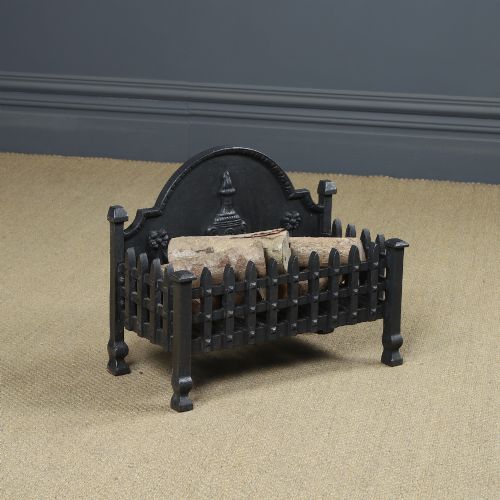
- A self-contained metal basket or frame designed to hold burning fuel within a fireplace opening. These often incorporate integrated dogs or side supports.
Neoclassical Fireplace Dogs: Frequently Asked Questions
What is the difference between fire dogs and andirons?
The terms are generally interchangeable, describing the same pair of heavy metal supports used in an open fireplace. Regional preferences often dictate the vocabulary used by makers and dealers.
Historically, andiron was the common English term, while fire dogs frequently appeared in domestic inventories alongside chenet for continental designs.
How do I date a pair of fireplace dogs?
Dating relies on examining the metal composition, casting technique, and stylistic references present in the design. Regency pieces show restraint and classical proportion, whereas later nineteenth-century revivals often layer heavier Victorian ornamentation.
Tool marks on the rear iron billets and the method used to join the vertical front to the horizontal bar also offer clues to the period of manufacture.
Can these be used in a working fireplace?
Most solid cast iron and heavy brass examples remain entirely functional for supporting logs in an active hearth. The primary consideration is ensuring the physical dimensions match the depth and width of your specific fireplace opening.
For pieces with delicate ormolu or fire-gilding, many owners choose to use them purely for decorative hearth display to preserve the surface finish.
How should I clean polished steel or brass?
Maintenance depends entirely on the specific metal finish applied by the maker during the nineteenth or early twentieth century. Light dusting and occasional application of a specialist metal polish will maintain bright brass surfaces without removing patination.
Polished steel requires vigilance against moisture to prevent surface oxidation, while fire-gilt or ormolu surfaces need only gentle cleaning with a soft cloth to avoid damaging the historical finish.