




Neoclassical Carved Figure
A neoclassical carved figure brings classical antiquity into private interiors through skilled sculptural translation.
Neoclassical Carved Figure
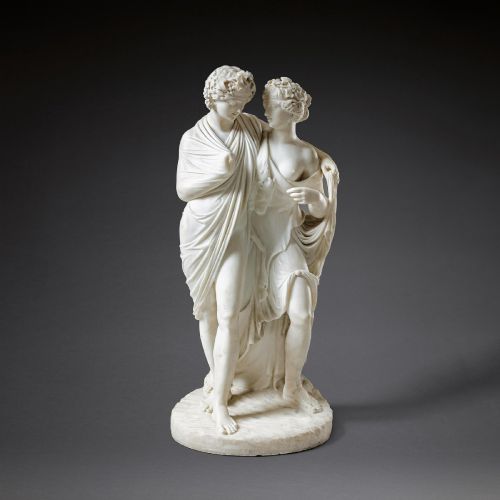
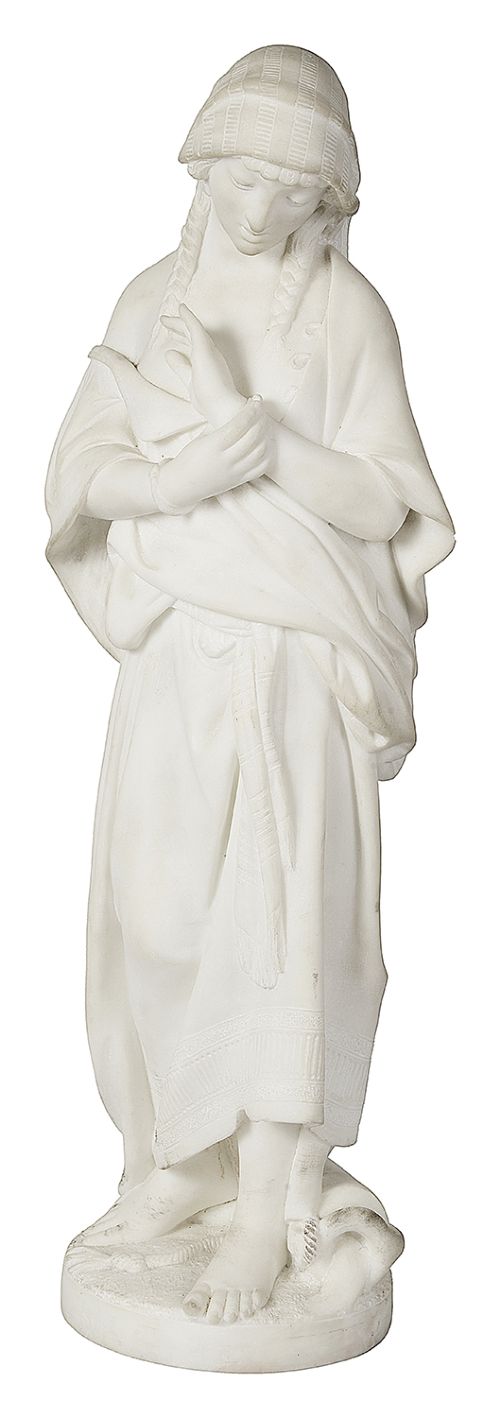
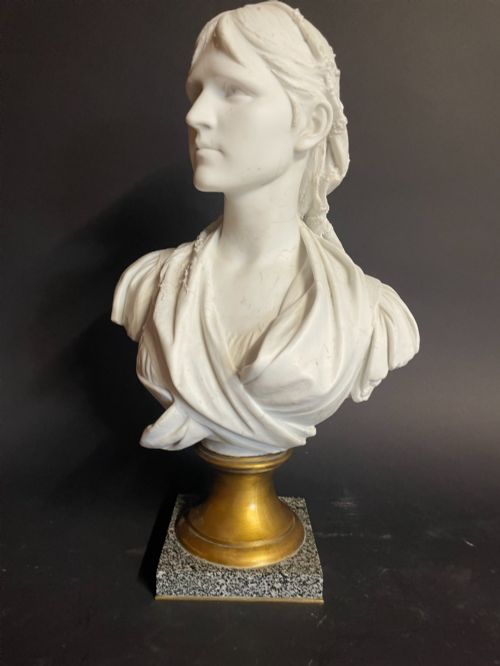
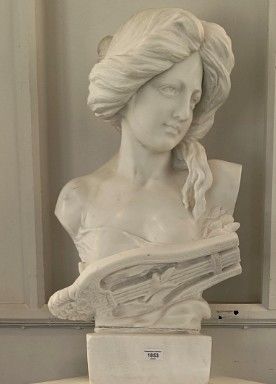
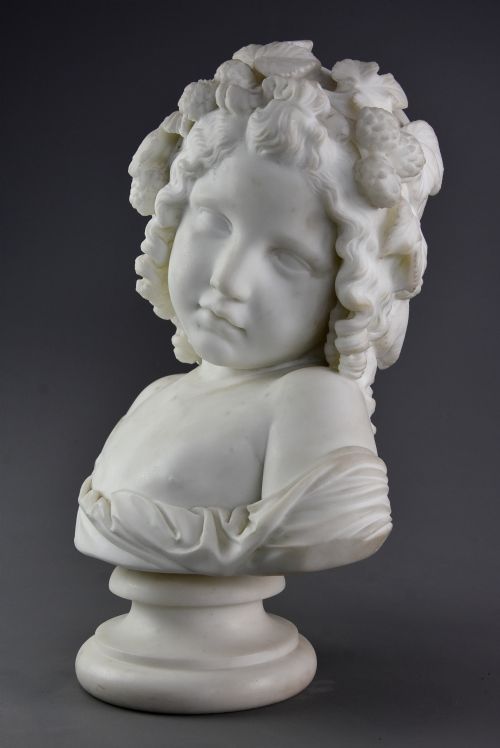
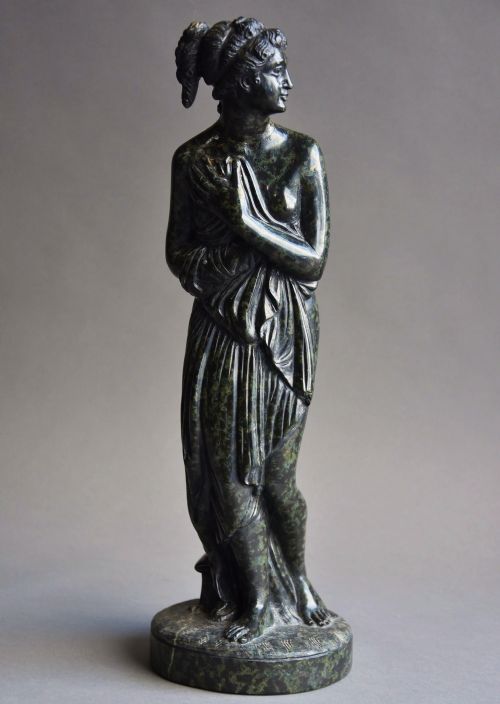
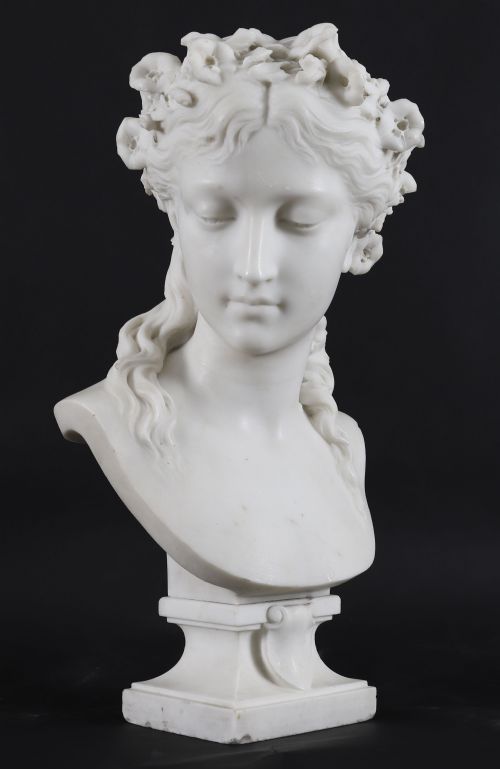
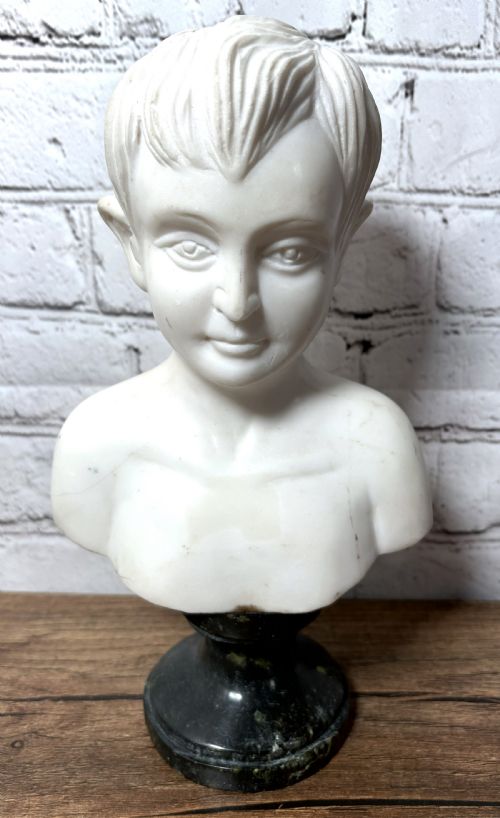
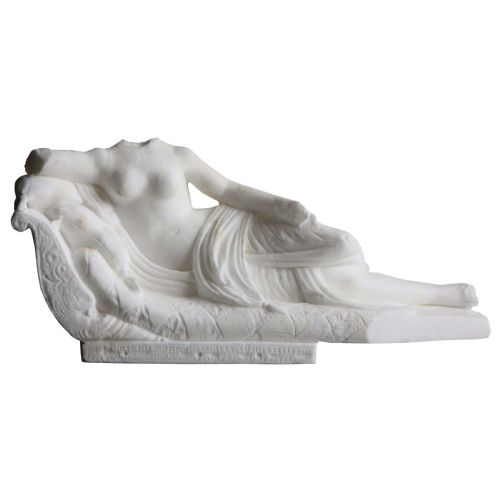
A neoclassical carved figure draws directly from ancient mythology, classical sculpture, and archaeological discoveries popularised during the Grand Tour. These works take the form of freestanding statues, portrait busts, relief plaques, and smaller decorative objects shaped from stone.
The pieces seen here span the eighteenth, nineteenth, and early twentieth centuries, originating predominantly from Italian and French workshops. Subjects range from mythological deities and muses to historical figures and literary heroines rendered in miniature or monumental scale.
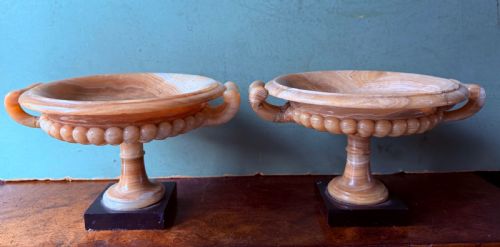
Beyond major sculptural groups, the selection encompasses domestic items such as tazze, intaglio jewellery, and fireplace accessories bearing classical motifs. Each item reflects the enduring European fascination with Greek and Roman art forms adapted for domestic display.
How they were made
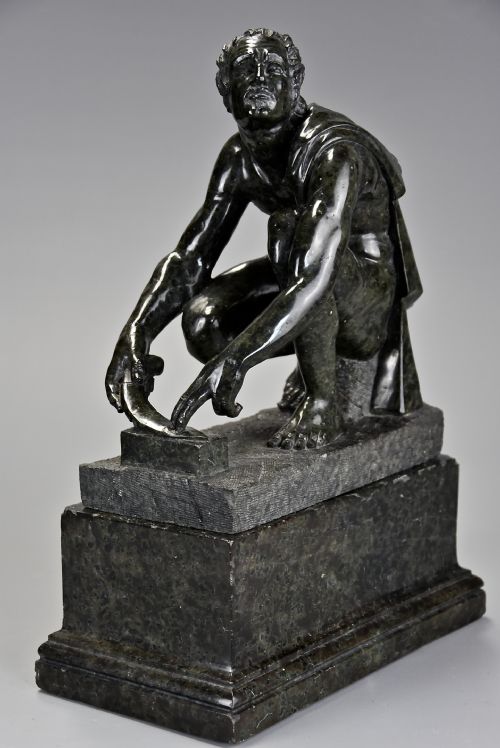
Sculptors utilised fine-grained materials such as Carrara marble, alabaster, serpentine, and various coloured stones, often pairing them with contrasting bases of black marble or wood. Selected pieces employ organic media including carved wood, chestnut, shell, and carnelian for intaglios set in gold.
Makers applied traditional chisel, drill, and polishing techniques to replicate antique prototypes or capture contemporary likenesses. Surface finishes range from high gloss on white marble figures to matte treatments on coloured stone and frosted glass.
At least one nineteenth-century canine model immortalises the Dogs of Alcibiades in green serpentine marble.
What varies in quality
The selection of the raw material dictates the visual impact, with flawless white statuary marble and richly figured alabaster or serpentine commanding greater presence than flawed or heavily repaired stone. Signed works or pieces attributed to documented sculptors and established Italian studios carry distinct archival weight.
Carlo Albacini·Barranti·Houdon·Antonio Canova·Carrier-Belleuse·Eugene Aizelin·Antonio Frilli
The Neoclassical Carved Figure Glossary
- Grand Tour
- A traditional educational journey of Europe undertaken by upper-class young European men of the eighteenth and nineteenth centuries, who typically returned with souvenirs including small-scale classical sculptures.
- Carrara marble
- A type of white or blue-grey marble mined from the city of Carrara in the north of Tuscany, widely utilised by classical and neoclassical sculptors for its fine and uniform grain.
- Serpentine
- A group of green silicate minerals often polished and used as a decorative stone in Italian neoclassical carving to simulate bronze or provide dark contrasting bases.
- Tazza
- A shallow saucer-shaped vessel or cup mounted on a stem and foot, frequently carved from alabaster or marble as a decorative Grand Tour souvenir.
- Intaglio
- A gem or gemstone carved in incised relief, commonly utilised in Georgian and Victorian rings and fob pendants to depict classical figures.
Neoclassical Carved Figure: Frequently Asked Questions
What is a neoclassical carved figure?
A neoclassical carved figure is a sculpture or decorative object produced during the eighteenth or nineteenth-century revival of classical Greek and Roman art. These pieces typically depict mythological deities, historical figures, or classical antiquities.
Craftsmen created them in various sizes, ranging from grand statues for formal rooms to miniature souvenir busts and intaglios intended for personal adornment.
Where were these sculptures made?
The majority of nineteenth-century marble and stone sculptures originated in Italian studios, particularly in Florence and Rome, catering to travellers on the Grand Tour. French workshops also produced notable figural carvings and decorative objects in marble, alabaster, and glass.
English makers contributed alternative interpretations through fireplace accessories and architectural carvings influenced by the neoclassical style.
How do I identify a Grand Tour piece?
Grand Tour pieces frequently reproduce famous classical statues housed in Italian museums, rendered at a smaller scale for transport home by travellers. They commonly combine carved white marble or coloured serpentine with distinctive black marble block bases.
Documentation, signatures of known carvers, or specific retailer marks occasionally accompany these items, though many remain unsigned workshop productions.
How should I display marble and stone figures?
Marble and alabaster figures require stable interior environments away from direct sunlight and sudden temperature shifts to prevent natural stone degradation. Placing them on sturdy pedestals, mantelpieces, or library tables ensures adequate support for their considerable weight.
Routine dusting with a soft, dry cloth preserves the polished surface without introducing moisture or abrasive chemicals to the stone.