





Neoclassical Bronze Head
A neoclassical bronze head brings ancient mythological figures and Roman emperors directly into a room, offering timeless sculptural presence.
Neoclassical Bronze Head
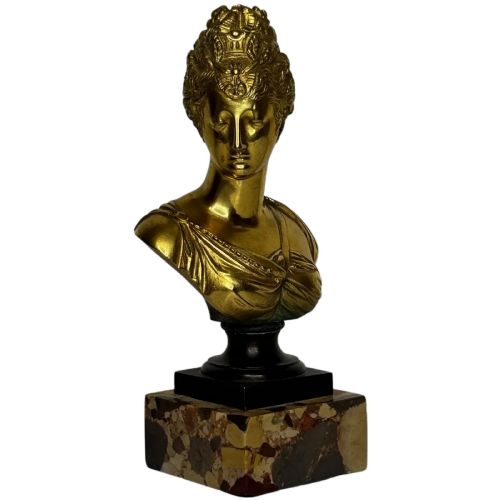
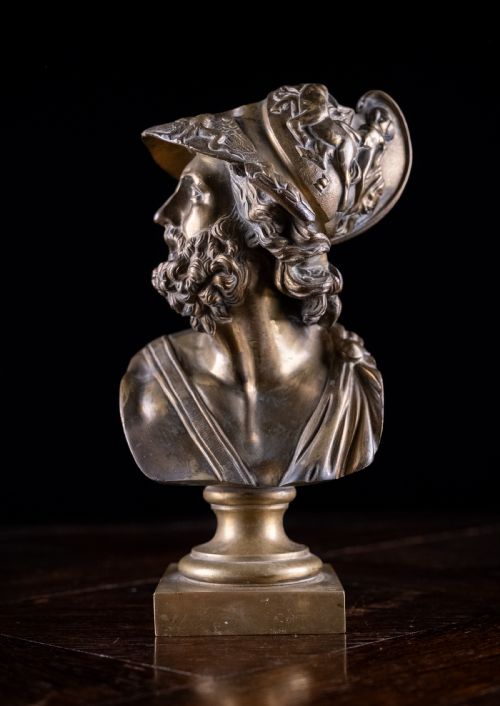
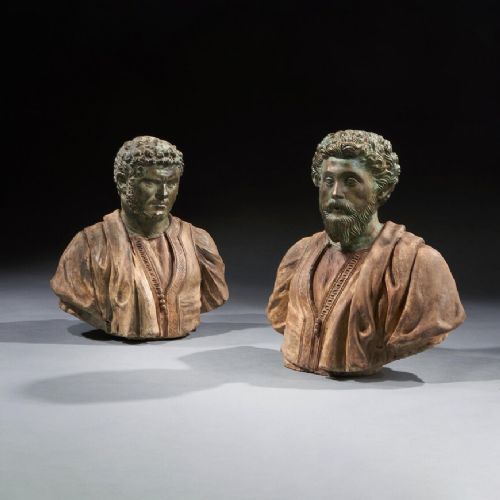
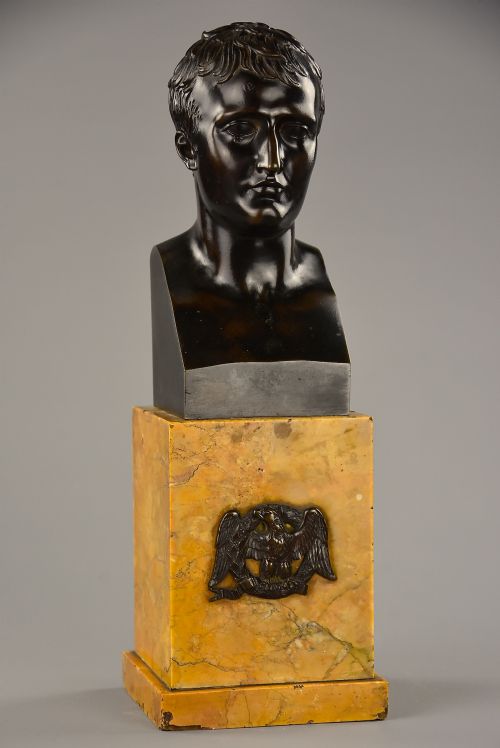
A neoclassical bronze head draws directly from classical antiquity, often depicting mythological figures, Roman emperors, and classical heroes such as Diana de Poitiers, Apollo, Ajax, and Marcus Aurelius. These works capture the enduring fascination with Greek and Roman sculpture that defined nineteenth-century collecting habits.
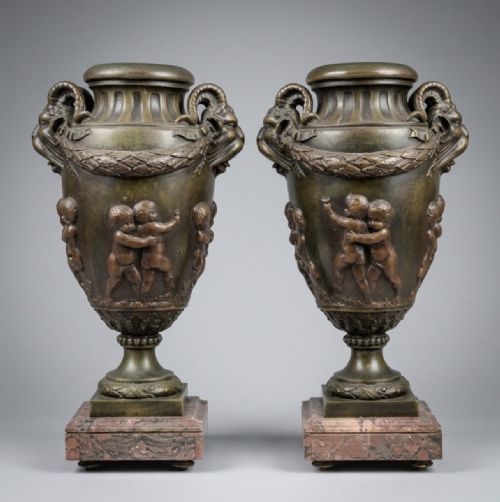
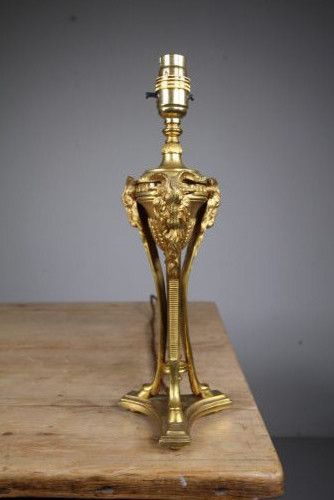
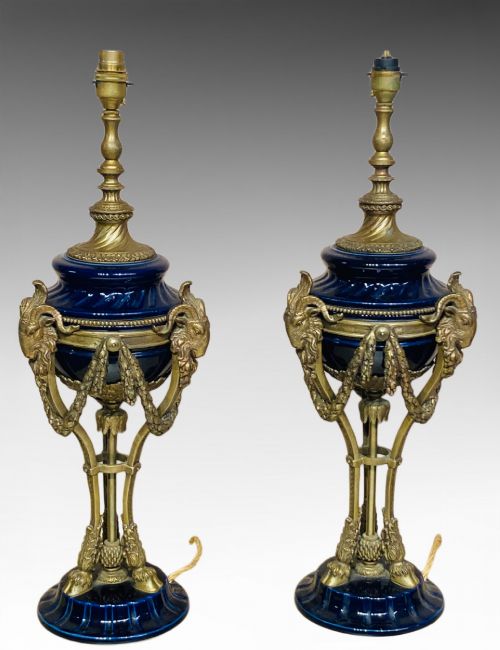
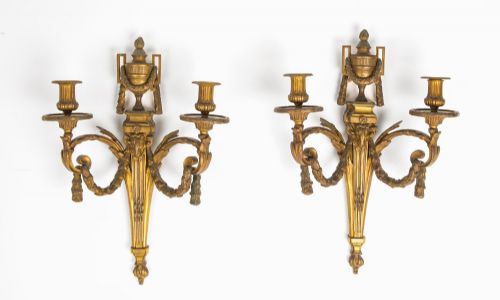
Most pieces seen here emerge from nineteenth-century workshops, encompassing Grand Tour souvenirs, French Empire productions, and Louis XVI style decorative objects. Beyond standalone portrait busts, the form appears integrated into table lamps, wall lights, and architectural ornaments featuring ram's head masks and classical details.
Materials and Casting Methods
Foundries utilised traditional metalworking methods, casting in bronze, gilt bronze, ormolu, and patinated bronze, while alternative versions employed cast iron, bronzed spelter, terracotta, plaster, and alabaster. Many sculptural heads were mounted upon turned marble bases to elevate their display.
Surface finishes received careful attention through patination, gilding, and paint application to simulate ancient patinas or rich classical ornamentation. Ormolu components often accompanied these works, adding polished golden highlights to mountings and structural elements.
One exceptional nineteenth-century ormolu bust of Apollo carries the distinct provenance of having once belonged to the collection of Gianni Versace.
Defining Quality and Execution
The choice of supporting materials significantly impacts the overall integrity of the piece, with heavy marbles and finely fire-gilded ormolu distinguishing the finest nineteenth-century productions from more utilitarian bronze or spelter castings.
Mathurin Moreau·Leonhard Posch
The Neoclassical Bronze Head Glossary
- Grand tour
- A traditional travel itinerary undertaken by European nobility and intellectuals through France and Italy to study classical antiquities. Souvenirs purchased along the way frequently included bronze reductions of famous sculptures.
- Ormolu
- Finely ground high-carat gold applied to a bronze base through a mercury amalgamation process, or cast brass with a bright golden finish. This technique created durable metallic highlights on decorative objects.
- Patinated bronze
- A treated metallic surface showing controlled oxidation ranging from deep brown to green. This treatment protected the metal while imparting an aged appearance.
- Louis XVI style
- A French decorative aesthetic defined by neoclassical symmetry, straight lines, and classical motifs such as laurel wreaths, urns, and ram's head masks. It experienced major revivals throughout the nineteenth century.
Neoclassical Bronze Head: Frequently Asked Questions
What is a Grand Tour bronze head?
A Grand Tour bronze head is a nineteenth-century miniature or reduction of an ancient classical sculpture, collected by travellers touring the historical sites of Italy and Greece.
These pieces served as portable representations of famous museum sculptures, allowing collectors to bring classical antiquity back to their private libraries and studies.
How do you style a classical bust at home?
Classical busts work well placed upon mantelsides, heavy wooden bookcases, or dedicated pedestals where their sculptural form can be viewed from multiple angles.
Pairing them with architectural lamps, marble urns, or period mirrors helps integrate their neoclassical aesthetic into traditional and eclectic interiors alike.
What is the difference between bronze and spelter?
Bronze is a durable alloy of copper and tin capable of capturing extremely crisp sculptural details and supporting deep patination over centuries.
Spelter is a softer zinc-based metal alloy often painted or bronzed to imitate true bronze, typically appearing in more commercial nineteenth-century decorative objects.
How are ram's head motifs used in these designs?
Ram's head masks and laurel garlands frequently appear as decorative mounts on neoclassical wall lights, ormolu table lamps, and architectural garnitures.
These symbols derive directly from ancient Roman sacrificial altars and classical temple decoration, adapted by nineteenth-century designers for domestic furnishings.