


Neoclassical Architectural Print
A neoclassical architectural print brings classical proportion and scholarly gravitas to a wall, offering structured elegance derived from ancient ruins and classical orders.
Neoclassical Architectural Print
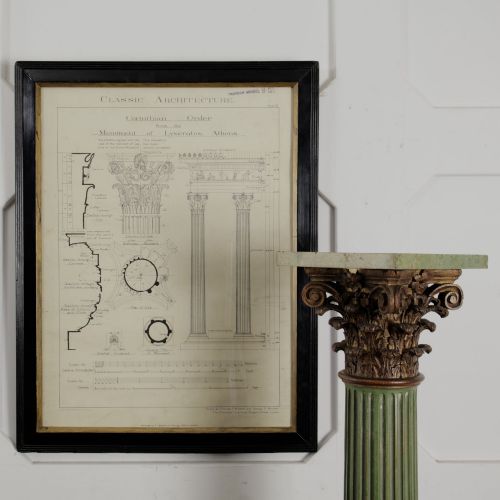
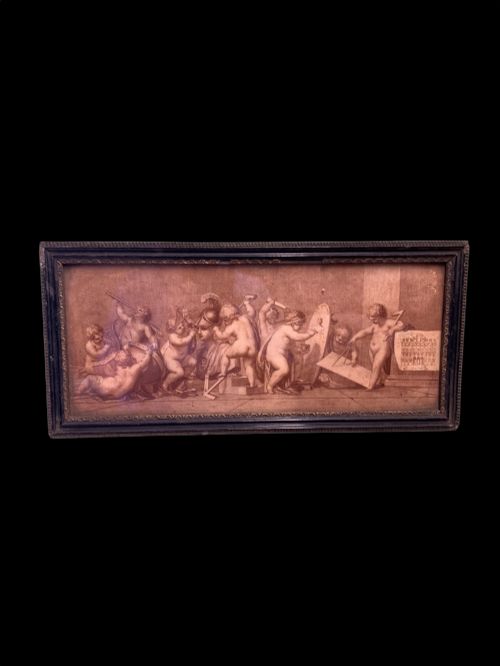
A neoclassical architectural print typically depicts classical buildings, architectural orders, statues, or ornamental details drawn from archaeological discoveries and grand tour travels. These works emerge predominantly from the eighteenth century, alongside pieces from the nineteenth century and the early twentieth-century neoclassical revival.
Buyers encounter single plates, pairs, and grouped sets showing subjects ranging from the antiquities of Athens and Roman temples to Vatican loggie frescoes and the Arc de Triomphe. Framed artworks dominate the selections, combining historical paper plates with period wooden frames and protective glass.
The aesthetic centres on symmetry, proportion, and precise draughtsmanship reflecting archaeological recording. Plates capture precise elevations, sculptural friezes, and mythic figures associated with ancient Greek and Roman sites.
How they were made
These works rely on copper engraving or ink on paper, executed by skilled hands to transfer detailed architectural drawings onto print plates. Selected sheets receive hand-applied watercolour washes to highlight sculptural elements, garments, and ornamental motifs.
Framing utilises wood, often finished with gold leaf, gilt, or standard wood tones to complement the monochrome or tinted paper within. Glass protects the delicate paper surfaces from atmospheric moisture and handling damage.
Listings feature eighteenth-century copper engravings on paper alongside nineteenth-century neoclassical revival plates and early twentieth-century framed prints.
What varies in quality
Quality rests upon the crispness of the ink impression and the depth of the original copper plate carving. Early strikes produce sharp, high-contrast lines that capture intricate stone joints and facial expressions clearly, whereas worn plates yield softer, blurred details.
The distinction also lies in the quality of the paper stock and the precision of any contemporary hand-colouring. Professional plate margins, known as plate marks, and scholarly attribution to known engravers elevate the standing of a piece.
James Basire·Giovanni Ottaviani·Alessandro Mocchetti·Edward Rooker·Francesco Piranesi
The Neoclassical Architectural Print Glossary
- Copper engraving
- A printmaking technique where an image is incised into a copper plate with a burin. Ink is held in the grooves and transferred to paper under pressure.
- Plate mark
- The indentation left on paper by the edges of a printing plate under high pressure. Its presence confirms an authentic antique impression.
- Grand tour
- A cultural journey of Europe undertaken by upper-class young men in the eighteenth and nineteenth centuries to study classical art and architecture.
- Corinthian order
- One of the classical architectural orders, characterised by slender fluted columns and ornate capitals decorated with acanthus leaves.
- Antiquities
- Relics, ruins, and artistic works originating from ancient civilisations such as Greece and Rome.
Neoclassical Architectural Print: Frequently Asked Questions
How should I frame an antique print?
Protect the paper by using acid-free mounts and conservation-grade backing boards to prevent yellowing over time. Glazing with UV-filtering glass guards the ink and any watercolour pigments against fading under ambient light.
Keep framed prints away from direct sunlight and damp environments such as unheated kitchens or bathrooms. Simple wood frames finished in gilt or natural tones complement the classical subject matter without distracting from the plate.
How do I identify an 18th-century print?
Examine the paper closely for chain lines and watermarks characteristic of handmade laid paper used during the period. Plate marks should be visible around the printed image where the metal press pressed into the dampened sheet.
Typography, spelling on captions, and the style of the engraving technique provide further clues to dating. Master engravers often signed the lower margin with their name alongside the designer or publisher.
What is the Grand Tour context?
The Grand Tour was an educational journey through France and Italy that wealthy scholars undertook to experience classical ruins firsthand. Travellers acquired architectural prints and engravings as tangible records of the monuments, statues, and frescoes they studied.
These prints served as scholarly reference material and decorative art upon the traveller's return home. They disseminated neoclassical ideals across British country houses and urban drawing rooms.
Are these works hand-coloured?
Some plates feature delicate watercolour washes applied by hand after the printing process was complete. This technique added subtle hues to architectural backgrounds, garments, and mythological figures to enhance decorative appeal.
Other examples remain strictly monochrome, relying entirely on the contrast of black ink against aged cream paper. Both monochrome and coloured versions circulated widely during the eighteenth and nineteenth centuries.