



Needlepoint Hall Seat
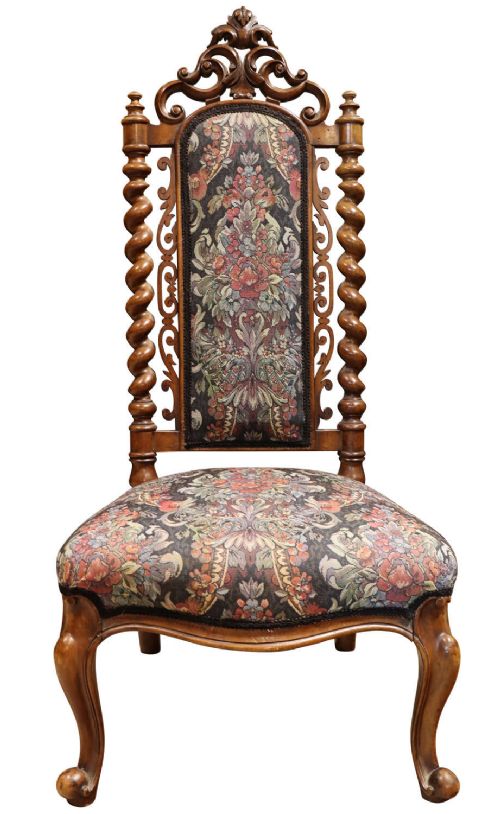
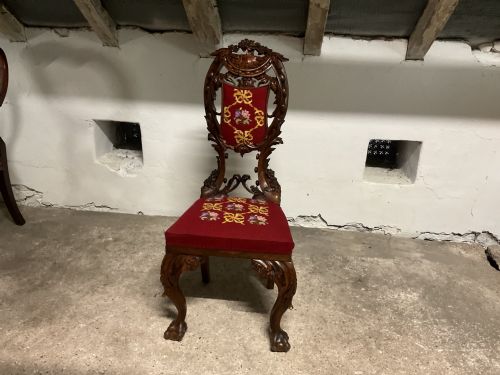
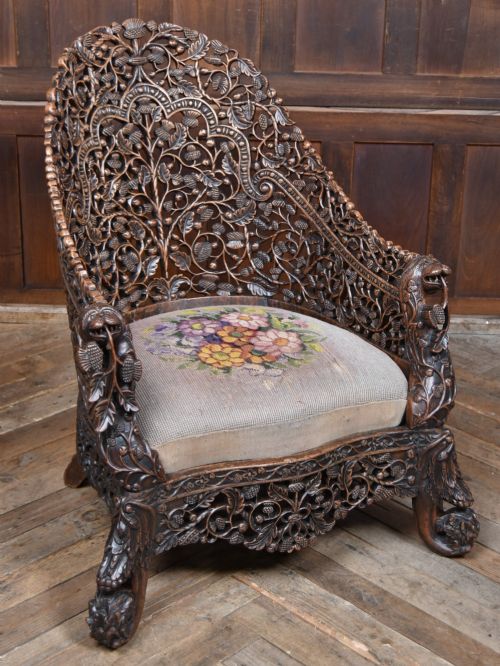
These needlepoint hall seat pieces are sturdy wooden furnishings carrying stitched textile panels, offering a practical perch by the entrance.
Needlepoint Hall Seat
A needlepoint hall seat serves as a functional resting place near the doorway, appearing across periods from Georgian and Victorian eras through to Edwardian times. These items frequently take the form of side chairs, armchairs, hall chairs, and window seats rather than large benches.
The materials span walnut, mahogany, oak, and burr walnut, paired with upholstered tapestry, fabric, and hand-stitched needlepoint covers. Examples draw on diverse design traditions including Queen Anne, William & Mary, Victorian Rococo Revival, Victorian Gothic Revival, and Arts & Crafts styles.
Materials and construction methods
Carpenters shaped dense timbers like mahogany, walnut, and oak to form the sturdy frames of each needlepoint hall seat. Skilled craftspeople then applied carved details and joined structural joints using traditional woodworking methods.
Needlepoint, tapestry, and textile panels were worked by hand using wool and thread, then secured over padding to the wooden bases. Brass elements sometimes supplemented the construction for added support or decoration.
Walnut and mahogany appear frequently across the listed periods, joined by oak in several Arts & Crafts and Edwardian examples.
Assessing quality and craftsmanship
The distinction between standard and superior pieces rests on the crispness of the timber carving and the tightness of the wood grain in walnut or mahogany frames. Superior examples display balanced proportions and robust joinery that withstand heavy use.
Needlepoint quality depends on the density of the stitching and the complexity of the design woven into the fabric. Finer textile work maintains even tension and precise colour placement across the seat panel.
Charles Tozer·Waring & Gillow·Liberty & Co·Wheeler
The Needlepoint Hall Seat Glossary
- Needlepoint
- A type of canvas work embroidery stitched by hand using yarn to create pictorial or geometric patterns. It provides a durable textile surface for frequently used seating.
- Hall Chair
- A rigid wooden seat intended for an entrance hall or corridor, often featuring a high back and minimal padding. These items were designed for brief seating rather than long lounging.
- Tapestry
- A form of heavy textile fabric featuring woven or stitched designs. In older furnishings, this material covers the upholstered pads of seats.
- Burr Walnut
- A specialised timber cut from the burl growths of walnut trees, prized for its swirling grain patterns. Cabinet makers utilised this material for decorative veneer panels.
- Window Seat
- A long, low form of seating built to fit the width of a window recess. These pieces often incorporate upholstered cushions for comfort.
Needlepoint Hall Seat: Frequently Asked Questions
Where should I place a needlepoint hall seat?
These items suit entrance halls, corridors, and landings where visitors might pause to remove outerwear. Their compact footprint also allows them to function as occasional seating in bedrooms or studies.
Position them away from direct sunlight to protect the textile needlepoint panels from fading over time. Pairing them with a simple wooden table or mirror creates a traditional entryway arrangement.
How do I care for the needlepoint upholstery?
Gentle brushing and occasional low-suction vacuuming through a mesh guard help remove dust from the textile fibres. Avoid harsh cleaning agents or excessive moisture when addressing surface marks on wool stitching.
Professional textile conservationists can secure loose threads or weakened canvas foundations. Keeping the room humidity stable prevents the underlying wooden frames and wool fibres from degrading.
Are these seats comfortable for daily use?
Most historic hall seating prioritises upright posture and sturdy construction over deep cushioning. They are designed for brief periods of sitting rather than extended lounging.
The firmness depends on the original padding materials used beneath the needlepoint cover. Lighter frames function well as decorative accents or occasional perches.
How do I identify Victorian examples?
Victorian pieces often feature darker timbers like walnut and mahogany with heavier carved decoration. Common stylistic indicators include revived Gothic or Rococo motifs integrated into the chair backs.
The upholstery frequently employs rich tapestry fabrics or floral needlepoint designs. Construction techniques from this period typically involve machine-assisted joinery alongside hand finishing.