
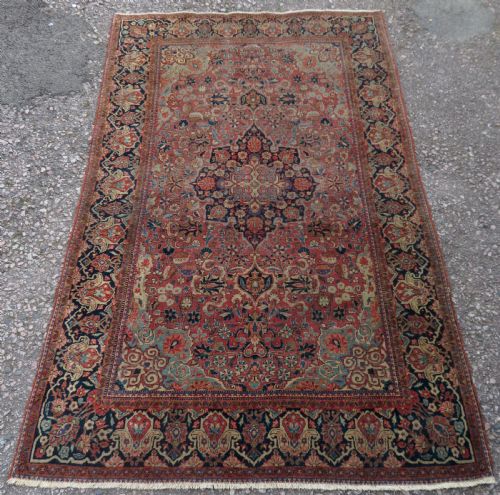
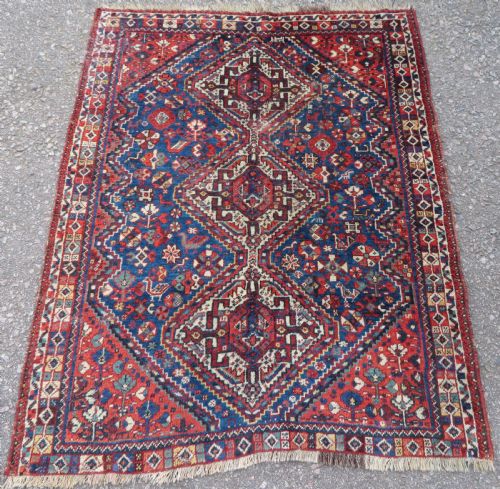
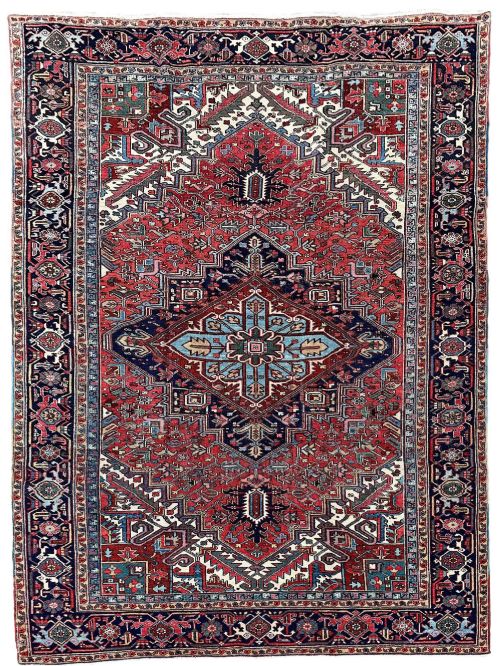
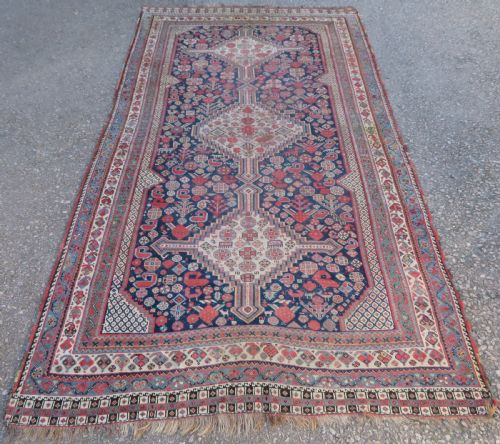


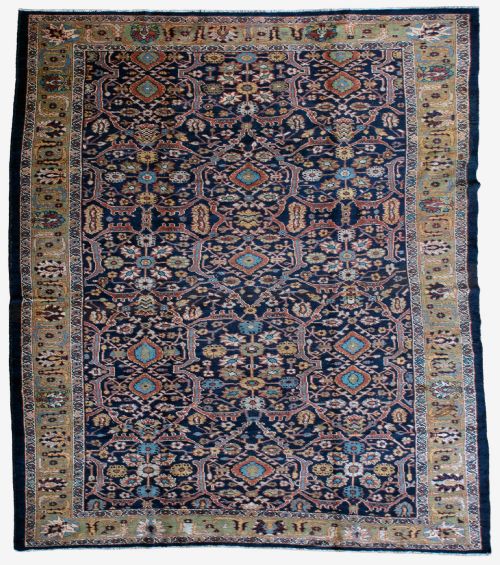
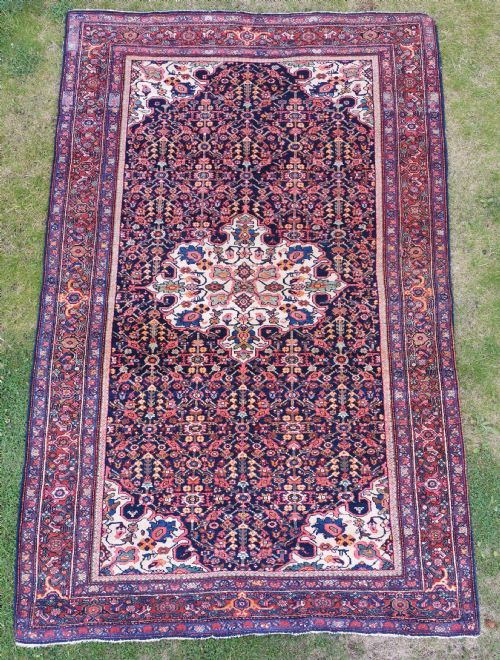
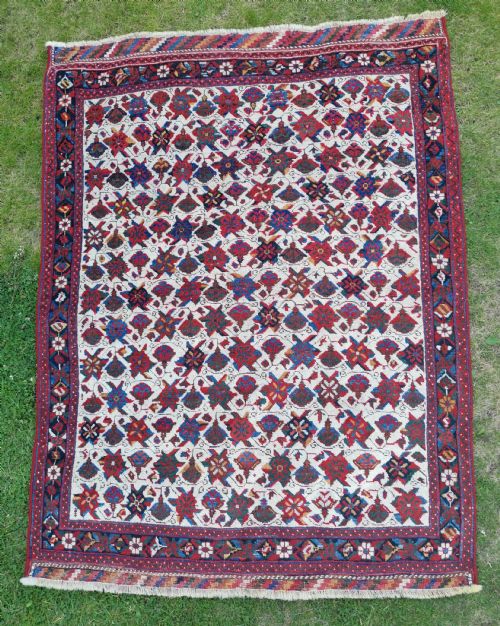
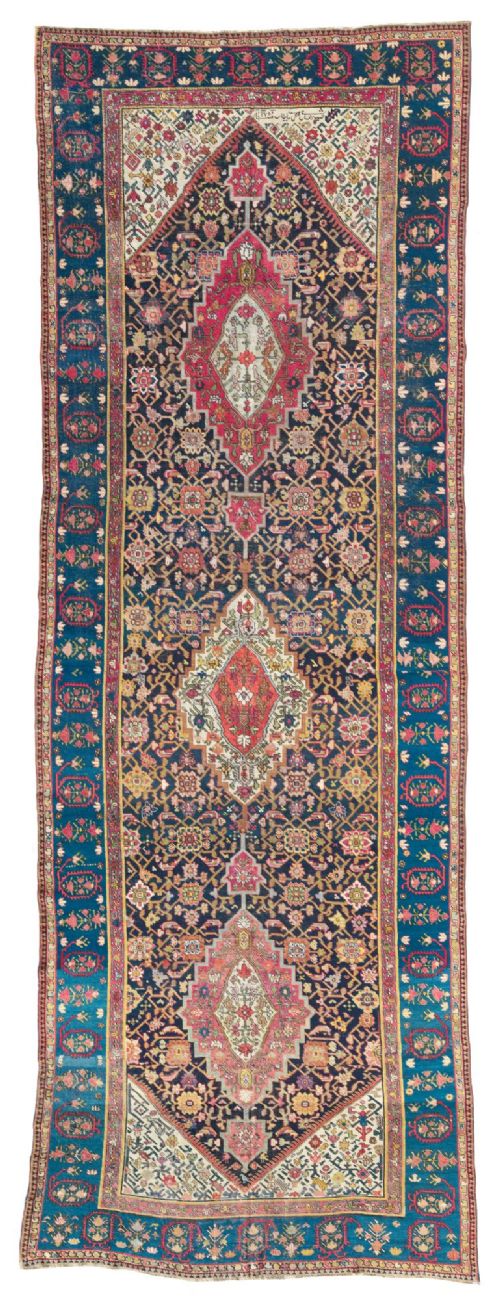
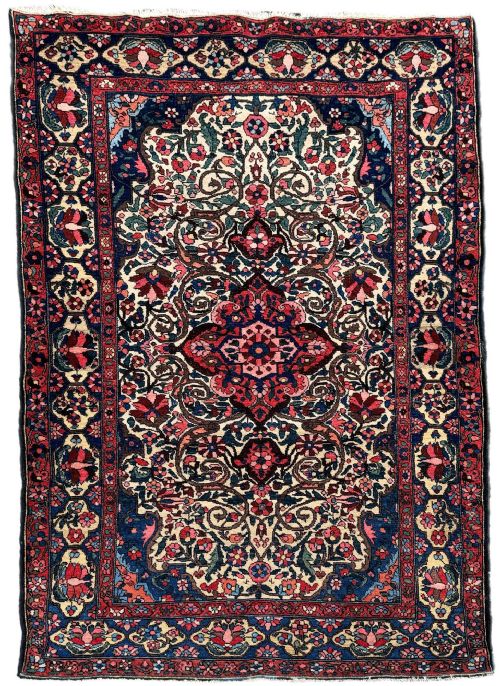
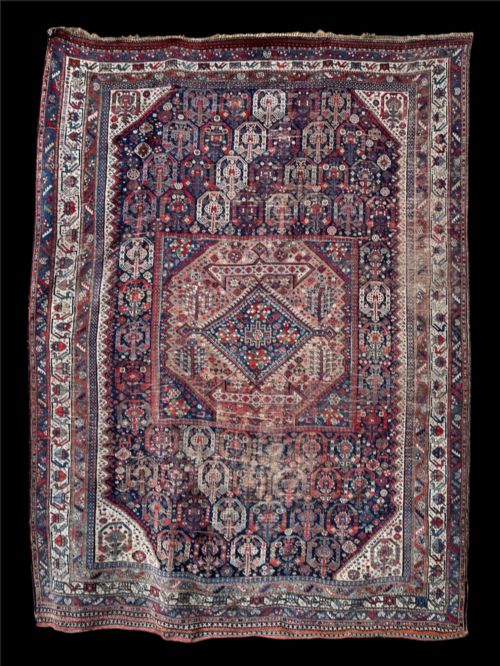
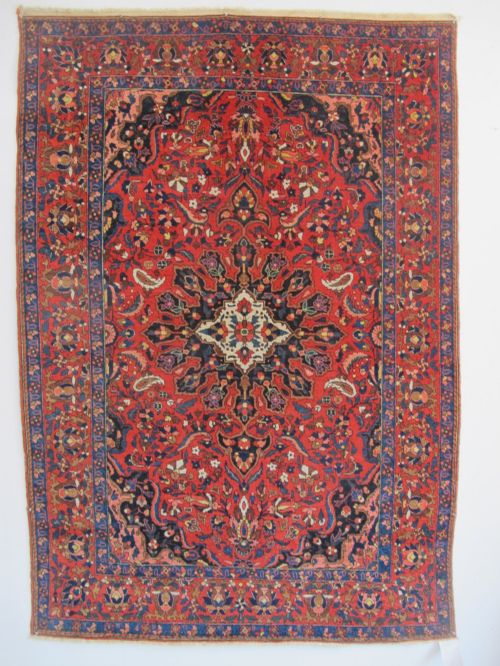
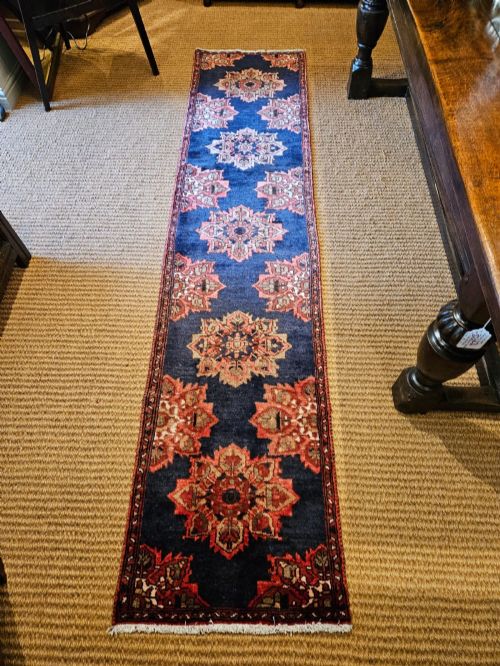
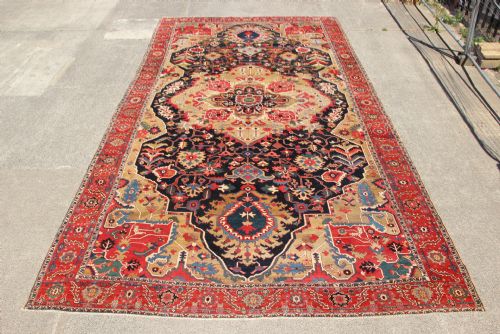
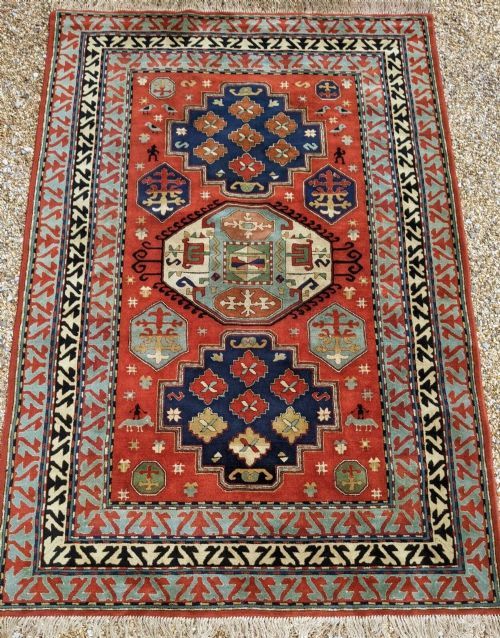
Navy Blue Floor Carpet
These heavy woolen floor coverings deliver deep indigo tones and tribal geometry that ground a room with rich history.
Navy Blue Floor Carpet
A navy blue floor carpet brings centuries of textile tradition directly into a modern interior through durable floor coverings.
Most examples found here originate from Persian and Caucasian weaving traditions, spanning room-sized carpets down to narrow hallway runners.
Makers utilised hand-spun wool and cotton foundations to create robust area rugs designed for daily foot traffic.
How they were made
Weavers knotted wool and hand-spun wool yarn by hand onto cotton or wool warp and weft foundations to build dense pile structures.
Natural dye sources provided enduring shades of navy blue, indigo, and rust that deepen in character as the fibres age.
Some nineteenth-century weavers hid tiny woven protective symbols inside large carpets to ward off bad luck.
What varies in quality
Knot density and the precision of geometric or floral motifs separate ordinary room rugs from exceptionally fine regional carpets.
The quality of the wool and the depth of the indigo dye determine how resilient the pile remains under heavy use.
The Navy Blue Floor Carpet Glossary
- Pile
- The vertical tufts of wool that form the usable surface of the carpet. This soft layer absorbs wear and displays the pattern.
- Warp
- The longitudinal threads stretched tightly on the loom before knotting begins. These sturdy cotton or wool cords form the structural skeleton of the rug.
- Weft
- The horizontal threads passed across the warp between rows of knots to secure them. They tighten the weave structure from side to side.
- Runner
- A long, narrow carpet format designed specifically for hallways and corridors. These elongated pieces guide movement through domestic spaces.
- Knot
- An individual loop of wool tied around warp threads by hand. The density of these ties defines the clarity of the design.
Navy Blue Floor Carpet: Frequently Asked Questions
How do I clean an old carpet?
Vacuum gently using suction attachments without rotating brushes to protect the fragile wool pile from pulling or fraying.
Professional specialist cleaning remains necessary for deep dirt removal to prevent moisture damage to the foundation threads.
Where should I place a runner?
Runners fit well in long hallways, narrow entryways, and alongside beds where floor protection and warmth are needed.
Using a secure underlay prevents slipping on smooth wooden or tiled hallway floors.
How do I identify regional styles?
Examine the specific geometric motifs, medallion shapes, and border arrangements characteristic of weaving centres like Heriz or Afshar.
Colour palettes and wool textures also offer strong clues regarding the geographic origin of the textile.
Can these rugs handle heavy traffic?
Traditional hand-knotted wool rugs withstand daily walking because the dense natural fibres resist crushing and dirt accumulation.
Placing them in busy living rooms or hallways allows the durable construction to perform as originally intended.