





Natural Yellow Sapphire
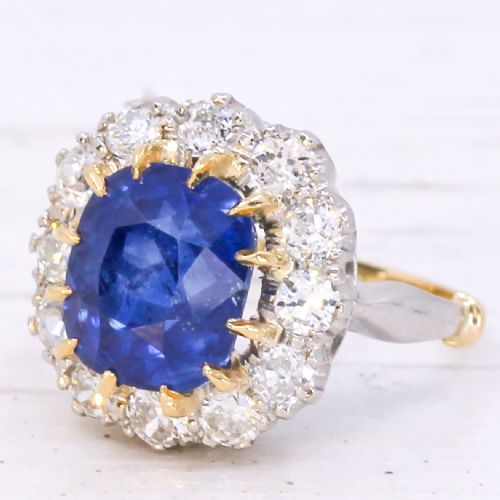
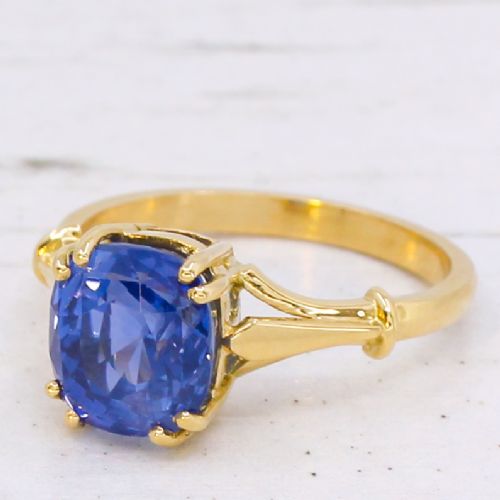
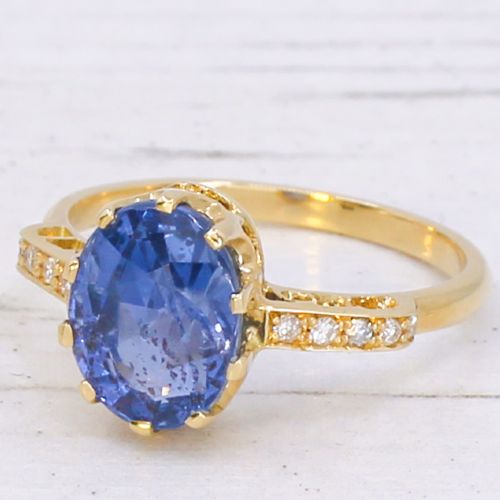
Natural yellow sapphire pieces bring forth warm honeyed hues set into rings, pendants, and brooches across Victorian, Edwardian, and mid-century eras.
Natural Yellow Sapphire
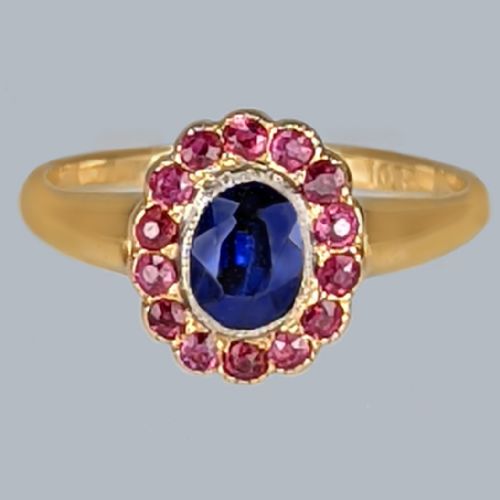
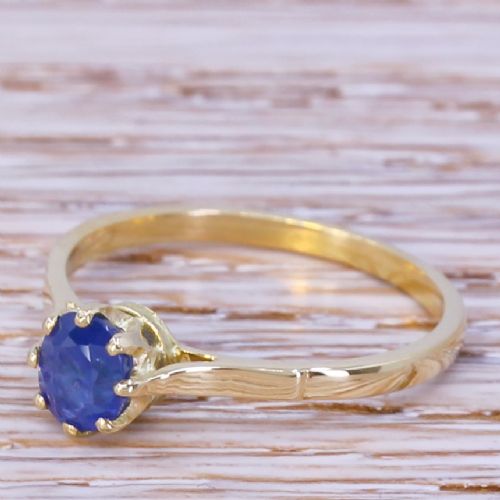
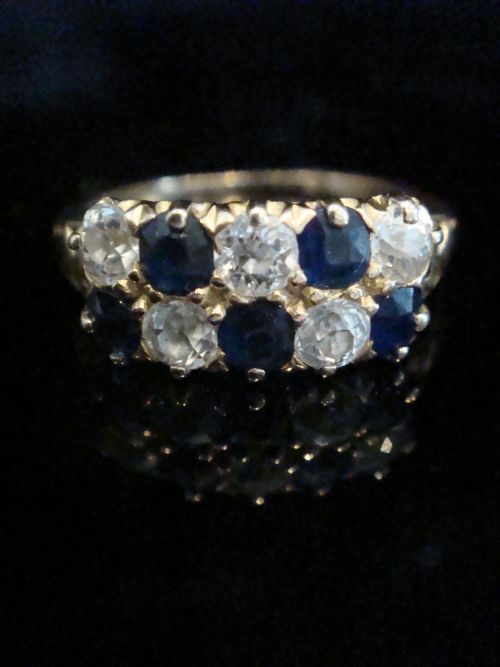
The objects combine unheated Ceylon gems with supportive diamond accents, pearls, and platinum or gold mountings. Pieces range from delicate boat rings to substantial retro cocktail rings and grand brooches.
Examples originate from periods including the late nineteenth century, the interwar years, and mid-century modern designs. Each era brings distinct mount styles, from gypsy settings to geometric halos.
Materials and Craftsmanship
Gems are paired with 18ct yellow gold, 9ct gold, and platinum frameworks, frequently accented by old cut diamonds and natural pearls. Stones are secured in claw settings, cluster arrangements, or flush gypsy mountings designed to display the natural colour.
Metals are cast and hand-finished, with platinum frequently utilised in Edwardian and Art Deco pieces to create fine, lace-like wirework around the central yellow corundum. Workmanship ranges from delicate milgrain borders to heavy retro gold casting.
Natural Yellow Sapphire Retail Price Guide 2026
Typical asking prices for natural yellow sapphire among the pieces listed under this phrase on Sellingantiques today, from the lower quarter to the upper quarter. They describe what is for sale here now, not the wider market.
Several yellow sapphires share drawer space with tiny natural pearls that have quietly witnessed over a century of dinner parties.
Quality and Distinction
Distinction across the range rests upon the origin, saturation, and clarity of the stone, alongside the integrity of the period setting. Unheated Ceylon stones with vibrant canary or lemon tones command significant attention compared to lighter or greenish-yellow variations.
The calibre of accompanying diamonds and the complexity of the gold or platinum work determine the upper tier. Masterful Edwardian pierced platinum work or substantial mid-century casting elevates a piece far above standard production.
The Natural Yellow Sapphire Glossary
- Ceylon Sapphire
- A corundum originating from Sri Lanka, historically celebrated for vivid saturation and high clarity without artificial heat treatment.
- Old Cut Diamond
- A hand-faceted diamond shape common in Victorian and Edwardian jewellery, featuring a smaller table and deep pavilion that catches candlelight.
- Milgrain
- A decorative beaded edge applied to the borders of platinum or gold settings, characteristic of Edwardian and Art Deco design.
- Gypsy Ring
- A ring style where stones are flush-set directly into a tapering thick gold band, popular in the late nineteenth and early twentieth centuries.
- Solitaire
- A single central gemstone mounted alone on a ring shank or pendant bale to emphasise its individual scale and colour.
Natural Yellow Sapphire: Frequently Asked Questions
What is a natural yellow sapphire?
A natural yellow sapphire is an unheated corundum gemstone displaying shades from pale lemon to deep golden yellow, formed entirely in the earth without human enhancement.
These stones are typically set into precious metal mountings alongside diamonds or pearls to create wearable antique and vintage jewellery.
How do I care for my ring?
Care for antique jewellery involves gentle cleaning with warm soapy water and a soft brush, avoiding harsh chemical ultrasonic cleaners that might loosen fragile stones.
Store pieces individually in lined boxes to prevent older diamonds and gold settings from scratching softer gems or delicate platinum wirework.
Are these sapphires treated?
Many examples feature unheated stones, meaning the colour is entirely natural and has not been altered by high-temperature furnaces.
Gemological reports often accompany pieces to confirm the natural origin and absence of thermal enhancement in significant corundum.
Which period is best?
Choosing a period depends entirely on personal taste, whether you prefer the delicate floral motifs of Edwardian platinum or the bold gold scale of mid-century retro designs.
Victorian pieces offer romantic gypsy and cluster styles, while Art Deco items showcase geometric precision and crisp colour contrasts.