





Natural Timber Seat
A natural timber seat brings honest grain and solid joinery into a room, offering enduring utility across forms from rustic benches to carved armchairs.
Natural Timber Seat
A natural timber seat encompasses a diverse group of chairs, benches, and stools drawn from periods ranging from the eighteenth century through to the early twentieth century. Buyers seeking this category encounter items fashioned from sturdy woods such as oak, elm, ash, and pine, reflecting vernacular traditions from British, French, Scandinavian, and American makers.
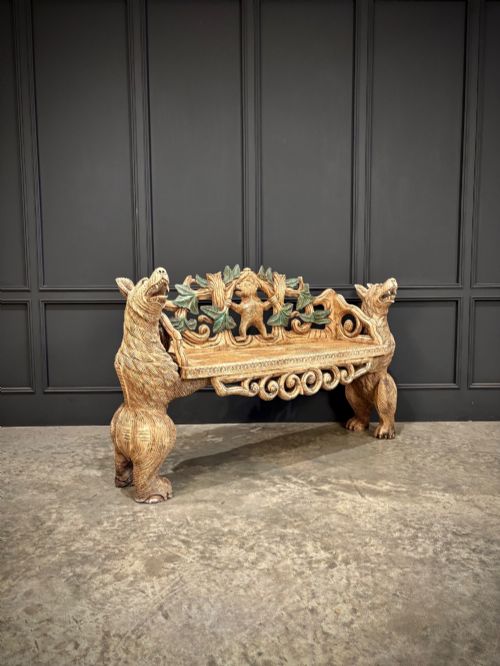
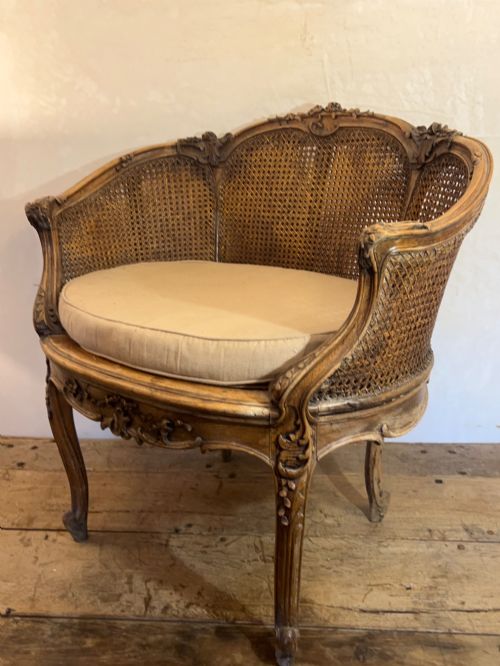
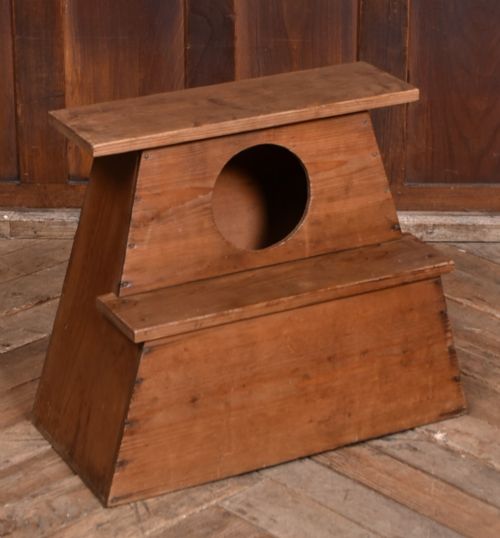
The selection on this page ranges from utilitarian kitchen stools and church pews to decorative items like Black Forest bear benches and Japanese vendor stools. These pieces highlight straightforward carpentry alongside regional decorative styles, including Louis XV, faux bamboo, and rustic folk art.
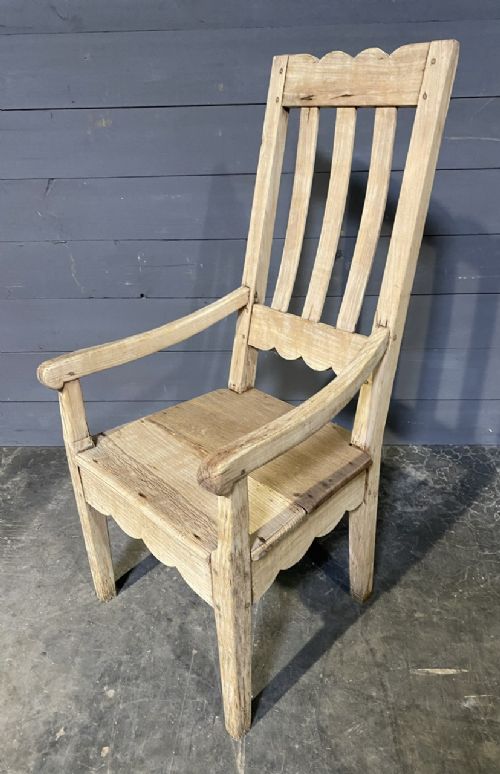
Domestic seating takes many configurations here, including armchairs, side chairs, children's furniture, and long dining benches. Each piece demonstrates how plain wood was shaped to serve daily life in farmhouses, halls, and kitchens across different centuries.
How they were made
Construction relies on solid timbers like oak, ash, elm, and pine, shaped by hand using traditional carpentry methods appropriate to each period. Makers utilised natural grain and sturdy joints to ensure longevity without relying on complex veneers.
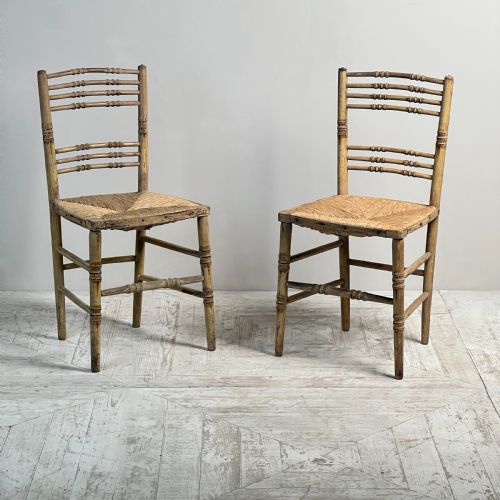
Surface treatments vary from untreated timber and dug-out surfaces to applied paint, stain, and rush weaving for seating pads. These straightforward techniques connect the material directly to its domestic or regional function.
A carved bear holds up the bench.
What varies in quality
Quality rests in the integrity of the timber selection and the retention of original surfaces, whether unpainted grain, early stain, or authentic rush work. Pieces that preserve their structural soundness without heavy modern intervention hold greater integrity.
Design distinction separates utilitarian workshop output from ambitious regional artistry, such as carved Black Forest motifs or fine stick-back chair turnings. The harmony between the original material and the maker's shaping defines the standing of each seat.
The Natural Timber Seat Glossary
- Rush seat
- A seating surface woven from dried marsh grasses or rushes, providing a flexible and traditional base for chairs and stools.
- Stick back
- A chair construction method where turned spindles or sticks are inserted directly into a solid wooden seat.
- Dug-out
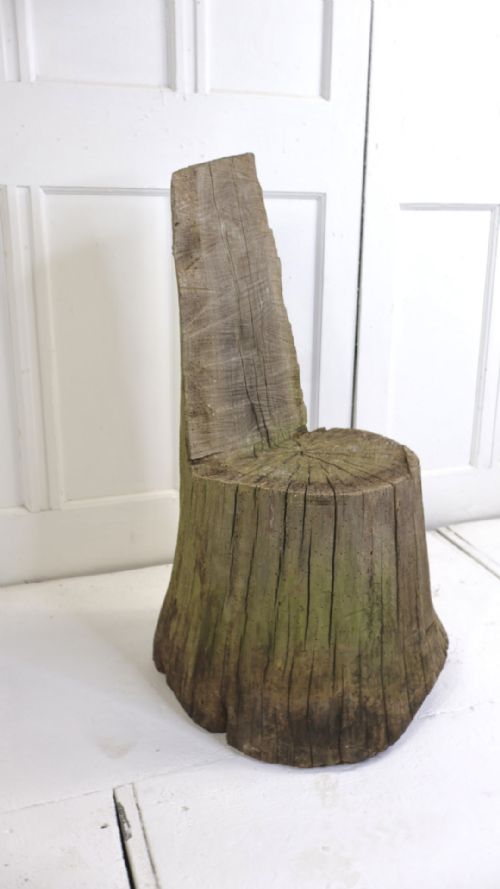
- A form of furniture carved and hollowed from a single solid block or trunk of wood rather than assembled from separate planks.
- Faux bamboo
- A decorative finish where wood is carved or painted to resemble natural bamboo stalks, popular during the Regency period.
- Corbeille
- A French term describing a chair with a rounded, basket-like back that wraps around the sitter.
Natural Timber Seat: Frequently Asked Questions
What is a natural timber seat?
A natural timber seat refers to chairs, benches, and stools constructed primarily from solid woods like oak, elm, pine, and ash without concealing veneers.
These pieces span various regional traditions and historical periods, emphasising the honest grain and functional design of the material.
How do I date an antique wooden bench?
Dating involves examining the tool marks, construction joints, wood species, and wear patterns consistent with specific periods like the eighteenth or nineteenth century.
Stylistic cues such as leg turnings and regional decorative motifs also help place the piece within its era of manufacture.
Can I use these benches for daily dining?
Many long dining benches and chair sets from this selection were originally built for practical household or communal use.
Ensuring the joinery remains stable allows these historical items to continue serving functional seating roles in contemporary settings.
What woods were commonly used?
Common materials include domestic hardwoods like oak, ash, and elm, alongside softer woods such as pine and beech.
Makers selected these timbers based on regional availability and the structural demands of the specific chair or stool type.
Are rush seats durable?
Rush seating pads woven from dried marsh grasses offer surprising resilience under normal domestic conditions when kept dry.
Over long periods, historic rush may show wear, which reflects the natural ageing process of traditional materials.