




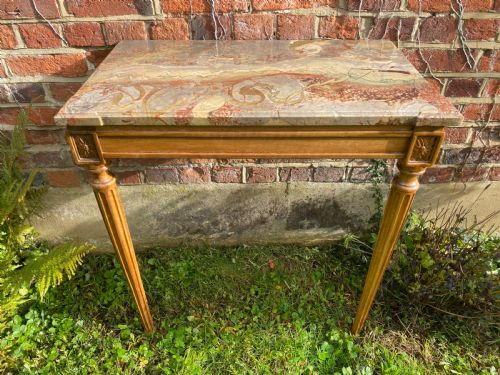


Narrow Wooden Console
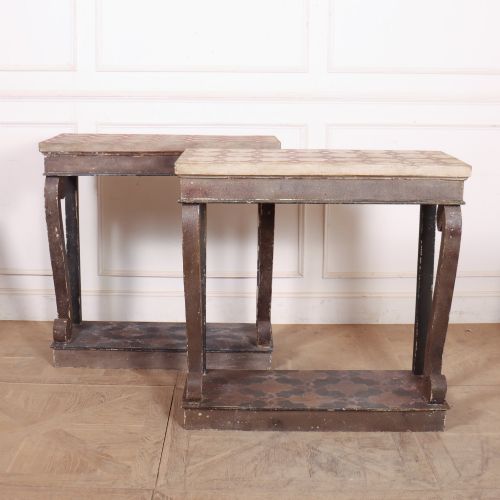
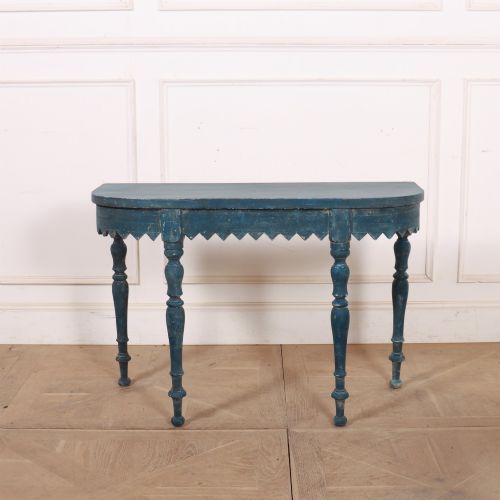
A narrow wooden console offers a practical surface for compact hallways and reception rooms, combining slender proportions with period character.
Narrow Wooden Console
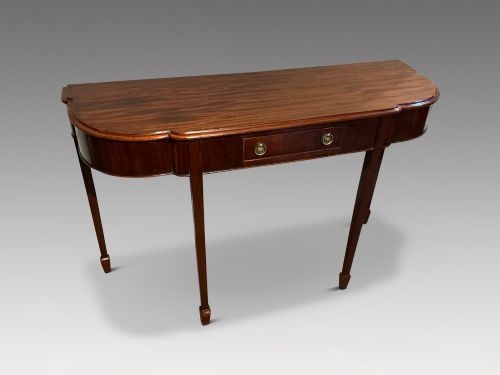
A narrow wooden console serves as a functional surface designed to fit tight hallways, landings, and reception rooms without obstructing circulation. The search for a narrow wooden console leads to pieces spanning the nineteenth and early twentieth centuries, including Victorian mahogany designs and Edwardian examples.
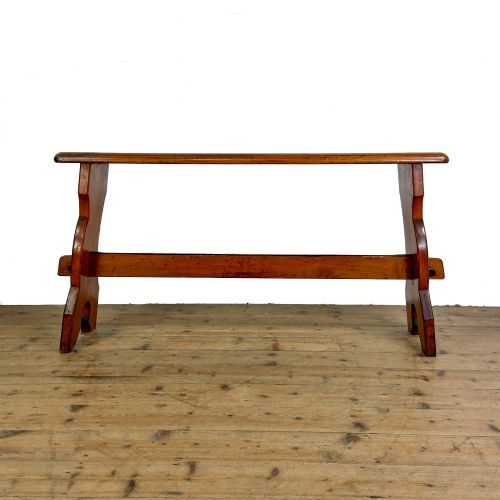
These tables manifest in various forms such as console tables, side tables, and trestle tables, alongside painted pine and oak variations. Origin styles range from French Provincial and Scandinavian Country to neoclassical and rustic farmhouse, reflecting diverse regional furniture traditions.
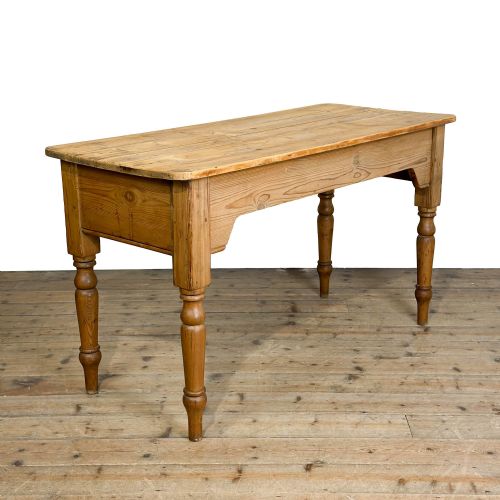
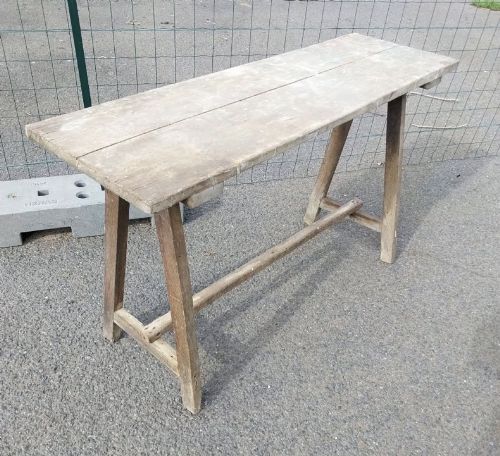
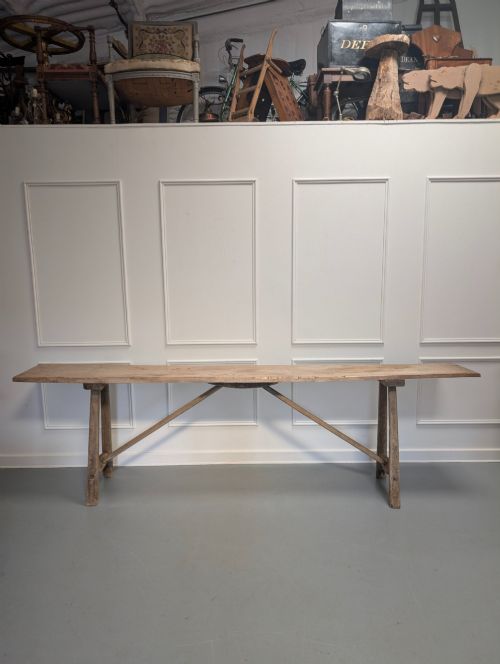
The most common versions met on this page include mahogany hall tables, scrubbed pine laundry tables, and oak trestle formats. Each piece provides a slender footprint suited to modern interiors that require space-efficient antique furniture.
What varies in quality
The degree of refinement in timber selection and joinery distinguishes finer examples from utilitarian pieces. Superior tables demonstrate careful attention to proportion, such as slender bow ends, balanced drop leaves, and intact period inlays.
Original surface preservation heavily influences the character of a console, whether retaining a mellow polished mahogany patina or an honest scrubbed pine finish. Alterations to height, surface replacement, or unsympathetic repainting alter the integrity of the piece.
Narrow Wooden Console Retail Price Guide 2026
Typical asking prices for narrow wooden console among the pieces listed under this phrase on Sellingantiques today, from the lower quarter to the upper quarter. They describe what is for sale here now, not the wider market.
Styles represented on this page include Victorian, Edwardian, French Provincial, neoclassical, Scandinavian Country, and rustic farmhouse.
The Narrow Wooden Console Glossary
- Console table
- A table designed to stand against a wall, frequently featuring slender proportions to suit narrow spaces. These pieces often incorporate decorative legs or brackets.
- Sutherland table
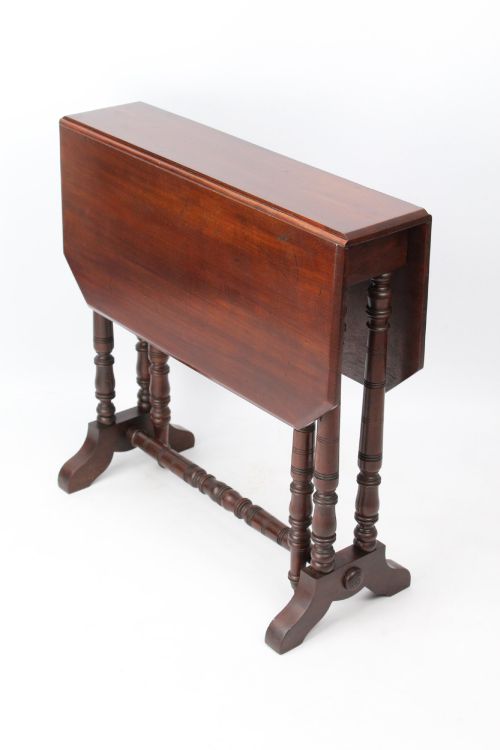
- A narrow drop-leaf table featuring particularly slender gate legs that support the leaves when raised. When folded, the table occupies minimal floor space.
- Trestle table
- A table consisting of horizontal beams supported by vertical trestles or legs. This form derives from medieval and country traditions, appearing in oak, pine, and poplar.
- Scrubbed finish
- A wooden surface washed repeatedly to remove old finishes and reveal the pale grain of the timber. This treatment is common on pine, poplar, and sycamore utility tables.
- Bow end
- A convex curved end on a table top or cabinet front. This shaping softens the corners of narrow furniture placed in confined hallways.
Narrow Wooden Console: Frequently Asked Questions
Where should I place a narrow console?
These tables suit narrow hallways, tight landings, and small reception rooms where floor space is limited. Their shallow depth allows them to sit against a wall without obstructing doorways or walkways.
They also function effectively behind sofas or in dining areas as serving surfaces, depending on the specific height and length of the piece.
How do I identify a Victorian console?
Victorian examples frequently utilise dense timbers like mahogany and walnut, often featuring turned legs, drop leaves, or Sutherland mechanisms. Construction details align with nineteenth-century workshop practices.
Design influences range from plain utility tables to decorative hall furniture incorporating brass fittings or mahogany framing.
What is a Sutherland table?
A Sutherland table is a narrow drop-leaf table where the leaves comprise a large portion of the top surface, supported by pivoting gate legs. When lowered, the table becomes extremely thin.
Victorian and Edwardian versions in mahogany or walnut are common, offering flexibility as occasional or tea tables.
Are scrubbed pine tables antique?
Scrubbed pine tables originate from nineteenth-century domestic or institutional settings where pine work surfaces were regularly scrubbed clean. Their current appearance comes from historical use and subsequent surface preparation.
These pieces typically date from the nineteenth century and reflect French or British country utility furniture.
How do I care for antique wood surfaces?
Maintain timber surfaces by dusting with a soft cloth and avoiding excessive moisture or direct heat sources. Wax polish can be applied periodically to nourished polished mahogany or oak.
Scrubbed pine and unpolished surfaces benefit from dry cleaning methods to preserve their porous texture and pale coloration.