

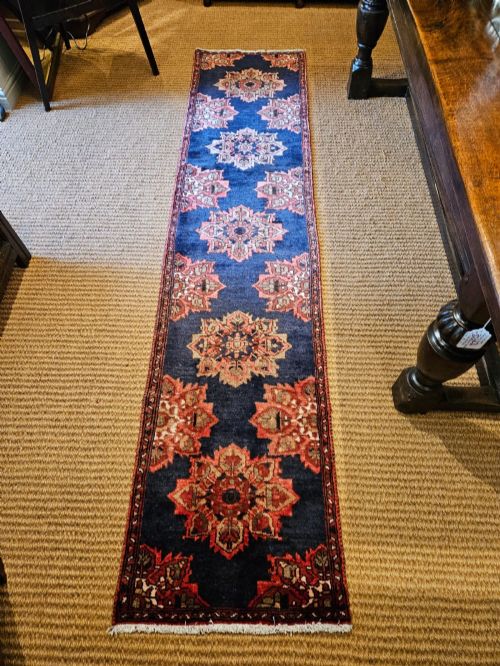
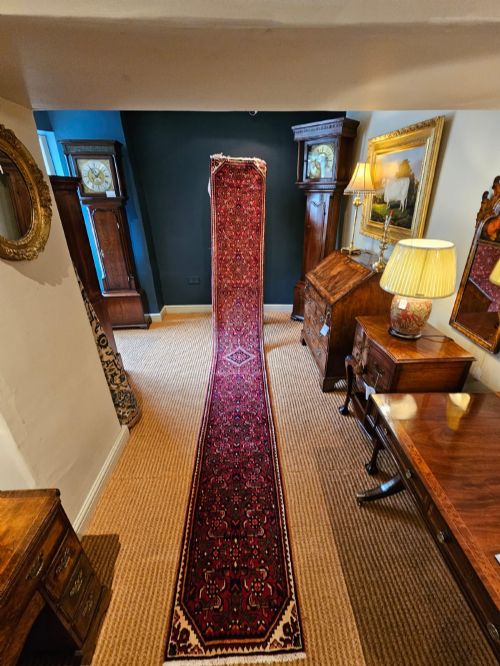
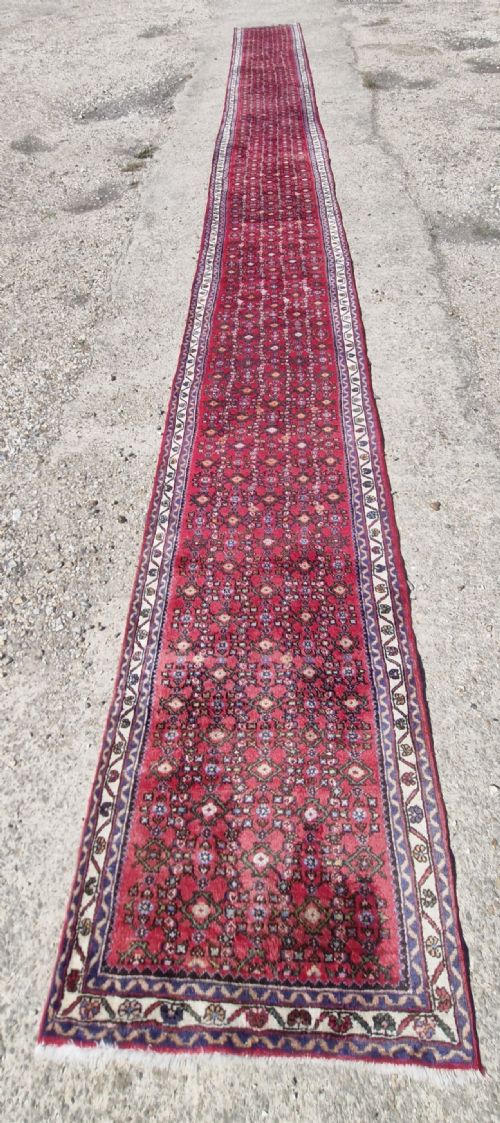
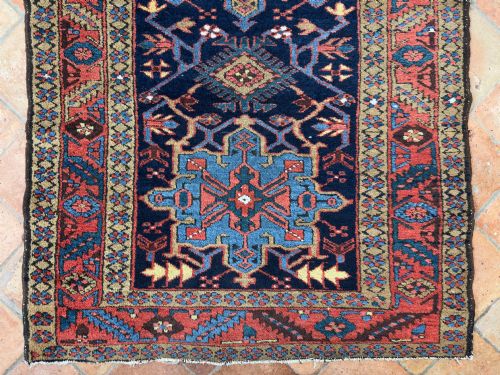
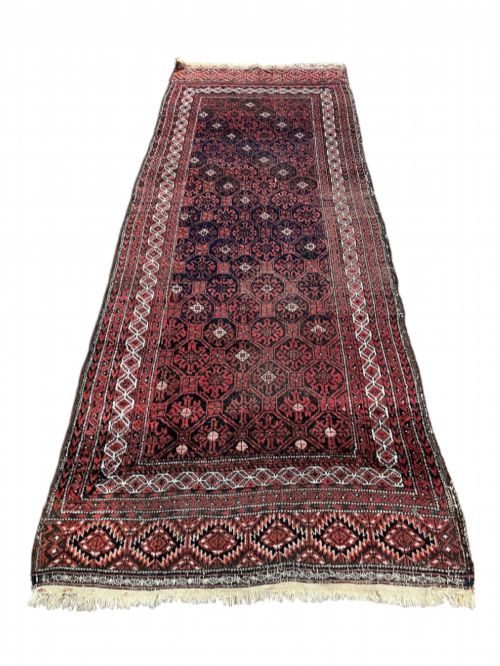
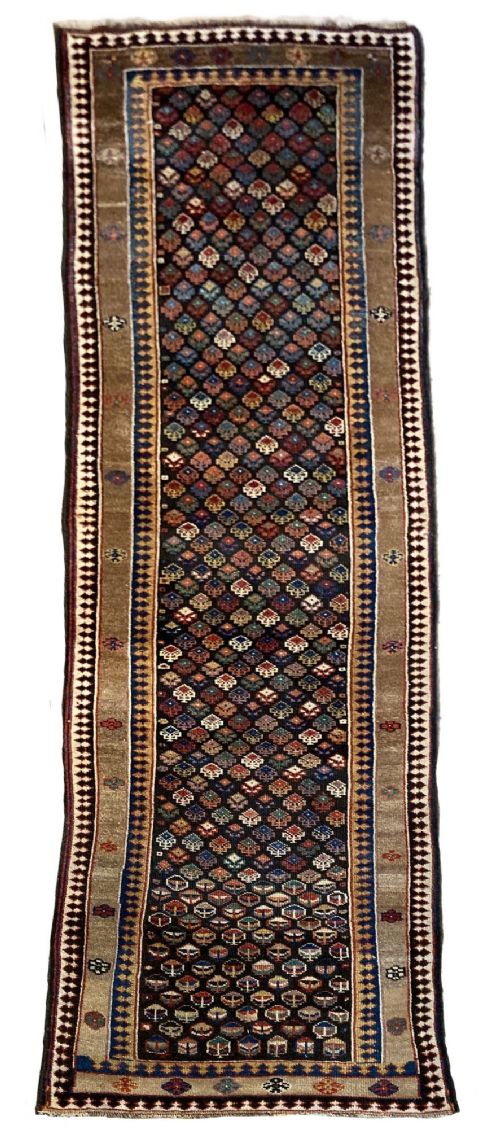


Narrow Hallway Carpet
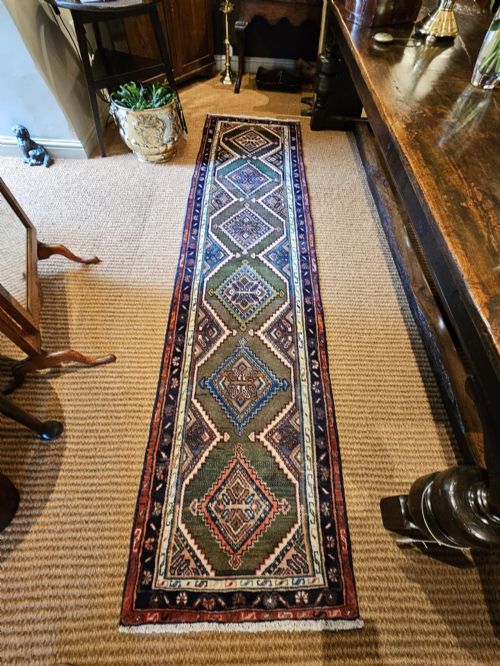
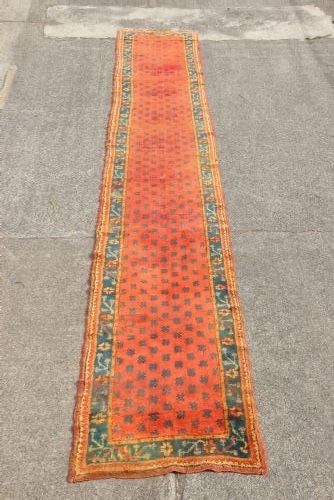
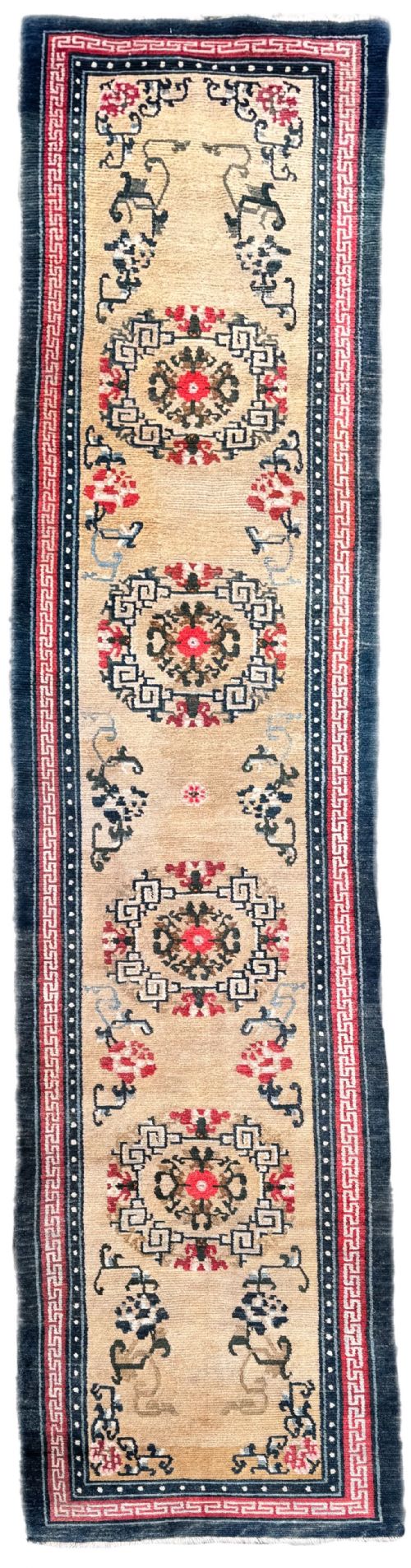
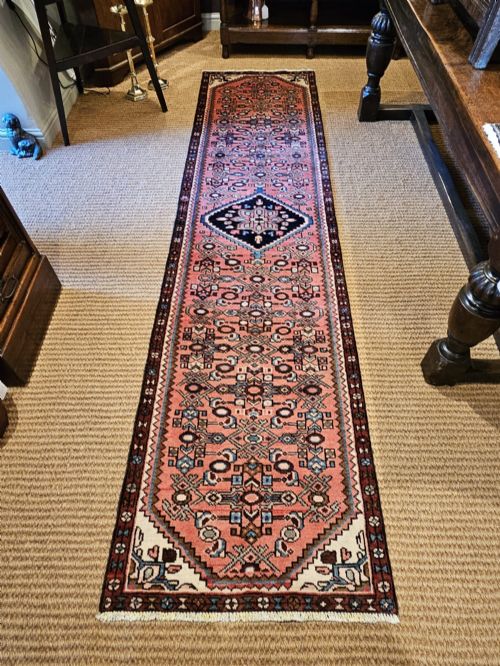
A narrow hallway carpet brings colour and texture to a passage, offering traditional Persian, Turkish, and tribal designs in extended proportions.
Narrow Hallway Carpet
A narrow hallway carpet is typically found as a runner or long rug designed specifically for corridors, landings, and passages. These pieces span production from the late nineteenth century through to the early twentieth century, incorporating styles such as Persian Tribal, Kurdish Tribal, Ottoman, Moroccan Berber, and Tibetan.
The formats seen here range from compact lengths under three metres to exceptional stretches extending beyond ten metres. Traditional origins include Heriz, Hamadan, Oushak, Bidjar, and Ferahan, alongside various regional workshops and tribal groups.
How They Were Made
These runners utilise wool, hand-spun wool, cotton, and camel hair as primary structural and pile materials. Hand-knotting techniques dominate the construction, providing the density required for heavy domestic traffic in narrow spaces.
Weaving traditions across Persia, Turkey, the Caucasus, and North Africa employ durable foundation threads combined with resilient natural fibres dyed in deep indigo, madder, and earth tones.
Listings feature traditional Persian, Kurdish, Ottoman, and Moroccan Berber styles spanning the late nineteenth century and the early twentieth century.
What Varies In Quality
Knot density and structural integrity dictate the grade of an antique runner, with tightly packed foundations offering superior longevity under foot. The precision of the geometric or floral layout reflects the weaver's skill and the workshop's origin.
Material selection also defines the tier, as hand-spun wool and camel hair provide distinct tactile depth compared to standard commercial wools. The stability of the dye work and the preservation of original side cordings and ends complete the assessment.
The Narrow Hallway Carpet Glossary
- Runner
- A long, narrow carpet format designed for corridors, stairs, and hallways. These pieces balance length with restricted width.
- Kilim
- A flat-woven carpet or runner produced without a pile. They utilise interlocking weft techniques to create crisp geometric patterns.
- Heriz
- A region in northwest Persia known for bold, geometric medallion designs and robust construction. Runners from this area exhibit strong architectural motifs.
- Hamadan
- A major trading hub in western Persia that gathered woven goods from numerous surrounding villages. These pieces often feature repeating field patterns and sturdy wool.
- Bidjar
- A Persian town celebrated for exceptionally dense, heavy weaving known as the iron rug of garris. The resulting pile stands upright and resists crushing.
Narrow Hallway Carpet: Frequently Asked Questions
Where do I put a narrow hallway carpet?
These runners fit corridors, staircases, galleries, and long entryways where standard rectangular rugs cannot go. They protect timber floors and soften acoustics in high-traffic passages.
Ensure you measure the clear floor space between skirting boards or stairs to leave an even margin of exposed wood or stone on either side.
How do I clean an antique wool runner?
Gentle, regular suction vacuuming without a rotating brush roll keeps dust from settling into the foundation fibres. Address spills immediately by blotting with a dry cloth rather than rubbing.
Professional specialist cleaning is advised for deep maintenance to protect natural dyes and fragile wool piles.
How do I identify a Persian tribal runner?
Tribal pieces from regions such as Kurdistan, Afshar, or Baluch display asymmetric layouts, geometric motifs, and earthy palettes directly reflecting nomadic or village traditions. The wool often has a rustic, hand-spun character with slight variations in width along the length.
These runners contrast with formal city workshop carpets by prioritising spontaneous designs and saturated secondary colours over strict symmetry.