




Napoleon III Ormolu Vase
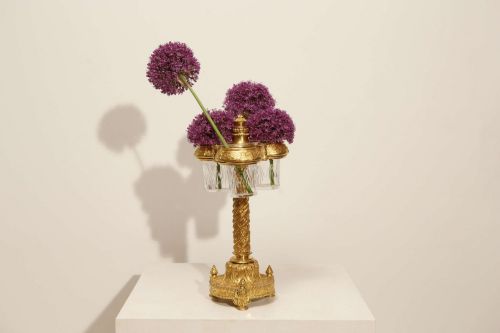
A Napoleon III ormolu vase brings heavy French glamour into a room, combining cast gilt bronze with porcelain, crystal or white onyx.
Napoleon III Ormolu Vase
When you search for a napoleon iii ormolu vase, you are looking at nineteenth-century decorative pieces originating from France, spanning styles like French Rococo Revival and French Empire. These works often appear as pairs of decorative vases, jardinières, urns or table lamps.
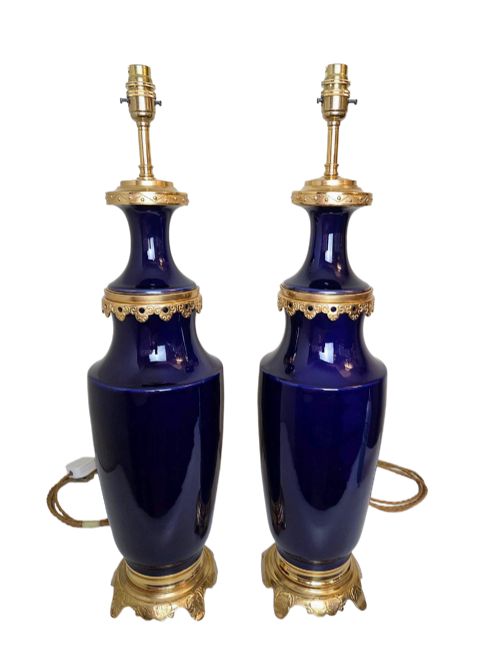
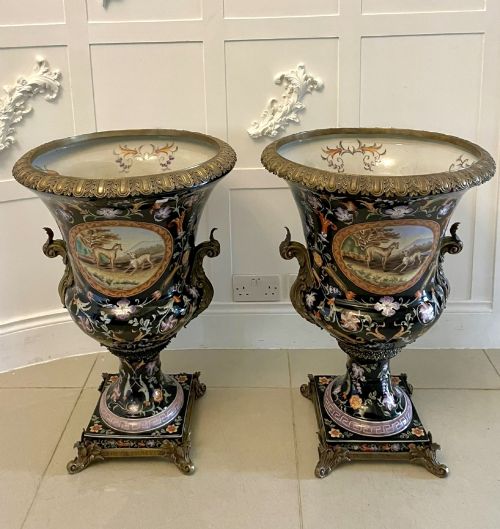
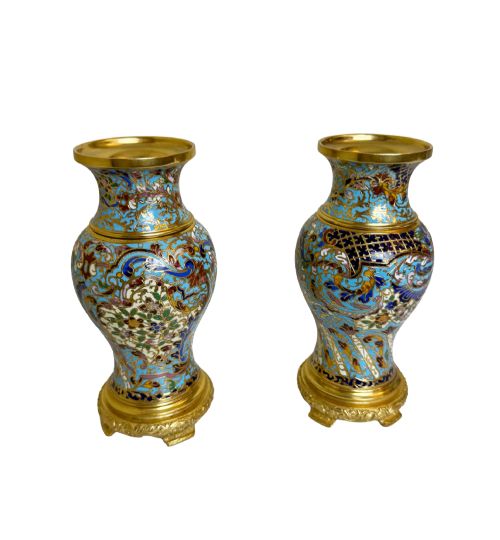
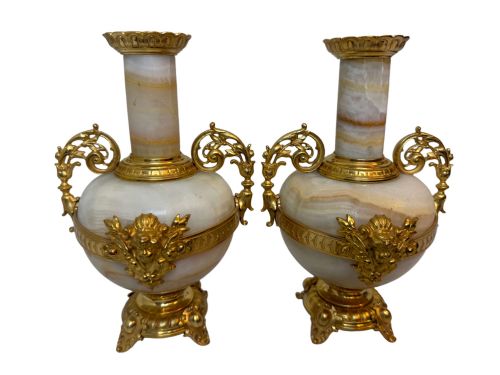
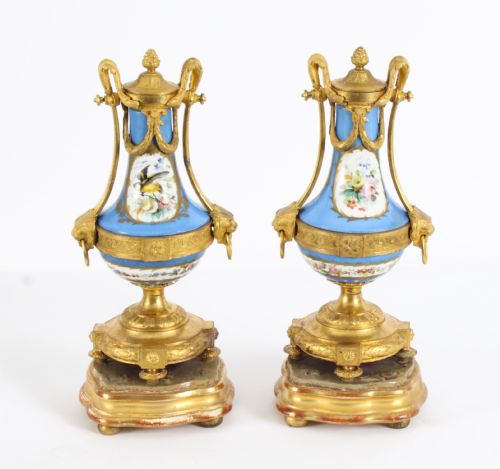
The pieces on this page heavily feature porcelain bodies in shades like blue and bleu celeste, alongside white onyx, cut crystal and quartz marble. Gilt bronze and ormolu mounts anchor the designs, often paired with champleve enamel or brass detailing.
Most examples date from the nineteenth century, including specific years like 1880 and 1890, as well as the Victorian era. They range from standard decorative vases to monumental lidded urns and clock garniture sets.
Materials and construction
Maker workshops built these objects by combining cast metal mounts with ceramic, stone or glass bodies. Ormolu and gilt bronze provide the gleaming frames, handles and bases that define the aesthetic.
Vessels utilise fired porcelain, frequently painted in Sevres style, alongside natural materials such as white onyx, quartz marble and cut crystal. Champleve enamel and brass components add intricate surface pattern and structure.
Napoleon III Ormolu Vase Retail Price Guide 2026
Typical asking prices for napoleon iii ormolu vase among the pieces listed under this phrase on Sellingantiques today, from the lower quarter to the upper quarter. They describe what is for sale here now, not the wider market.
Listings include materials such as gilt bronze, champleve enamel, white onyx and cut crystal across nineteenth-century French styles.
Evaluating quality in these pieces
Quality rests in the crispness of the gilt bronze casting and the depth of the chasing on the ormolu mounts. Finer pieces show sharp detail in the metalwork and secure integration with the ceramic or stone bodies.
The hand-painted porcelain decoration and the clarity of the cut crystal or white onyx further distinguish superior examples. Substantial scale and balanced proportions elevate certain pairs into monumental status.
The Napoleon III Ormolu Vase Glossary
- Ormolu
- Gilded bronze produced by applying a mercury-gilding technique to cast bronze objects. This process creates the rich, golden surface seen on nineteenth-century French mounts.
- Champleve
- An enamelling technique where troughs or cells are hollowed out of a metal surface and filled with vitreous enamel. These coloured areas are then fired and polished flush with the metal.
- Bleu Celeste
- A bright turquoise blue enamel or ceramic glaze colour popular in Sevres porcelain productions. It provides a striking contrast against gilt bronze mounts.
- Garniture
- A set of matching ornamental vases or figures designed to be displayed together on a mantelpiece or sideboard. They often accompany a central clock in nineteenth-century interiors.
- Jardiniere
- An ornamental pot or receptacle designed to hold plants or flowers. In this period, they frequently take the form of urns mounted in gilt bronze.
Napoleon III Ormolu Vase: Frequently Asked Questions
What is a napoleon iii ormolu vase?
A nineteenth-century decorative vessel created in France, combining a ceramic, stone or crystal body with cast gilt bronze mounts. These pieces reflect historic revival styles popular during the French empire and later periods.
They serve primarily as decorative accents, mantel ornaments or converted table lamps within formal interior schemes.
How were these vases used originally?
Wealthy households displayed these objects prominently on mantelpieces, consoles and anfilades to demonstrate taste and status. Many functioned purely as visual centrepieces or urns within larger matching garniture sets.
Some later nineteenth-century examples were subsequently adapted into table lamps as lighting technology evolved.
How do I date a napoleon iii ormolu vase?
Dating relies on examining the casting techniques of the gilt bronze, the style of the porcelain painting, and the material composition. Pieces frequently date from the 1880s, 1890s, or broader nineteenth-century Victorian periods.
Stylistic cues such as Rococo Revival curves or Empire symmetry also help narrow down the decade of production.
How do I care for ormolu and porcelain?
Keep these objects away from direct sunlight and excessive moisture to protect both the painted porcelain surfaces and the delicate gilt bronze finishes. Dust gently with a soft, dry cloth rather than using chemical cleaners.
Handle the mounts and handles with care, as historic brass and bronze pins can loosen over time.