



Napoleon III Inlaid Box
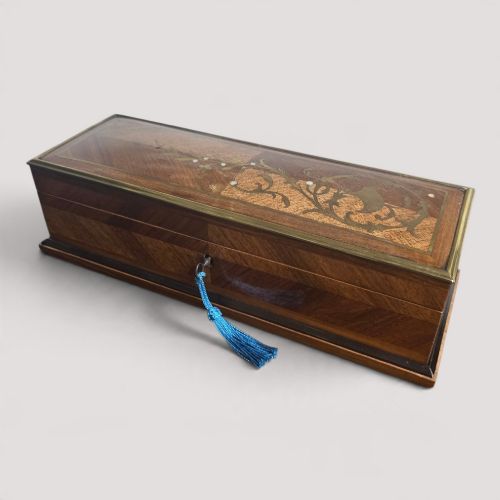
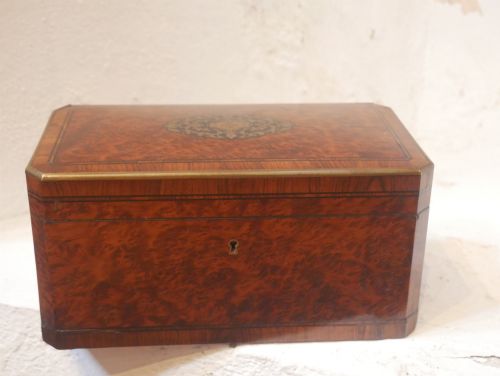
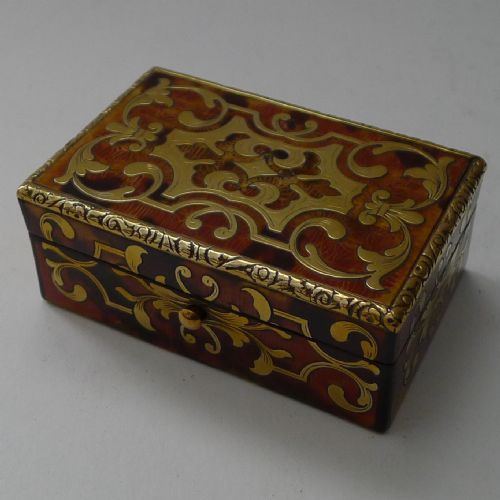
These pieces of a napoleon iii inlaid box combine rich woods and brass work, bringing French nineteenth-century elegance straight to a desk or table.
Napoleon III Inlaid Box
A napoleon iii inlaid box brings together French nineteenth-century design, featuring decorative containers, tea caddies, writing boxes, and desk sets. Buyers searching for a napoleon iii inlaid box encounter objects originating from the Victorian era and the mid nineteenth century.
The versions most commonly met on this page include French pieces alongside English interpretations in the same style, spanning desk accessories, trinket boxes, and tantalus sets. Woods like amboyna, thuya, ebony, and satinwood appear frequently alongside tortoiseshell and brass.
Makers such as Tahan Paris and P Sormani represent the standard of these items, showing the craftsmanship associated with French Second Empire production. These containers served varied domestic purposes, from holding tea leaves to housing writing implements.
Materials and construction
Makers utilised wood as a foundation, incorporating amboyna wood, burr wood, ebonised wood, ebony, and satinwood to create varied surface textures and tones. These timbers formed the structural carcases for boxes, tea caddies, and desk accessories.
Inlay work relied on brass and mother-of-pearl set directly into the wooden surfaces or tortoiseshell grounds. Glass elements also appear in certain pieces, such as tantalus sets and display tables.
Napoleon III Inlaid Box Retail Price Guide 2026
Typical asking prices for napoleon iii inlaid box among the pieces listed under this phrase on Sellingantiques today, from the lower quarter to the upper quarter. They describe what is for sale here now, not the wider market.
Object forms span tea caddies, writing boxes, desk sets, and tantalus sets from the nineteenth century.
Distinctions in quality
Quality separates pieces through the precision of the brass and tortoiseshell inlay work, where tighter joints and intricate patterns distinguish finer examples. The choice of base timber, such as amboyna or thuya wood instead of standard ebonised wood, elevates a piece.
Signed works by makers like Tahan Paris or P Sormani carry an established standard of workshop production that differs from unmarked items. The complexity of the object type, from a simple trinket box to a fitted writing box or desk set, dictates the level of interior detail.
Tahan Paris·P Sormani
The Napoleon III Inlaid Box Glossary
- Boulle
- A method of marquetry using brass and tortoiseshell, named after a French royal cabinetmaker. This technique creates contrasting metallic and dark organic patterns.
- Tantalus
- A locking beverage stand holding decanters visible to the eye but prevented from removal without a key. They appear in nineteenth-century entertaining settings.
- Tea caddy
- A container designed to store tea leaves securely, often featuring internal compartments. These boxes protected dry goods from moisture and light.
- Amboyna
- A fragrant wood with a mottled, burr grain highly prized for decorative veneers. It provides a warm, spotted reddish-brown surface.
- Thuya
- A coniferous wood featuring dense, circular knot patterns used in French cabinetmaking. This material creates a richly textured surface on small boxes.
Napoleon III Inlaid Box: Frequently Asked Questions
How were tea caddies used?
Tea caddies served to store valuable tea leaves safely away from humidity.
Inside, they frequently featured lidded compartments to separate different varieties of tea.
What is a tantalus?
A tantalus holds decanters securely within a wooden frame.
A locking mechanism restricts access to the contents while keeping the glass bottles visible.
How do I date these boxes?
Dating relies on recorded periods such as Victorian, Regency, and the nineteenth century.
Materials like amboyna, tortoiseshell, and specific brass inlay styles help confirm the era of manufacture.
Where were these pieces made?
These pieces originate primarily from France during the Second Empire and Victorian periods.
Maker signatures from Paris workshops indicate specific urban centres of production.