
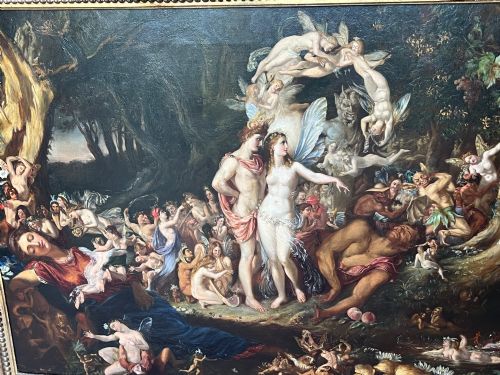
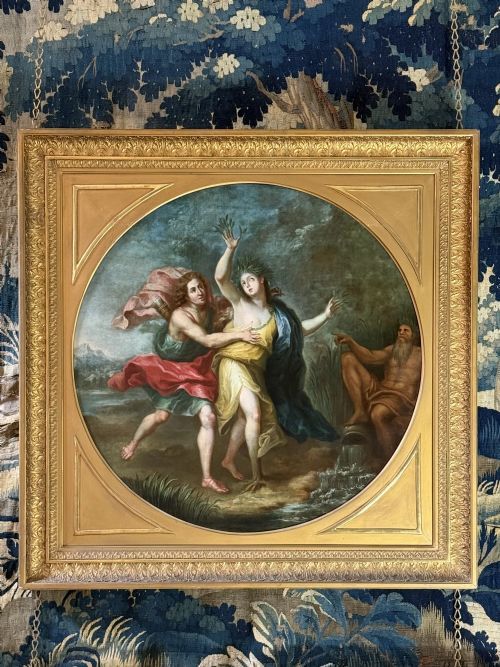
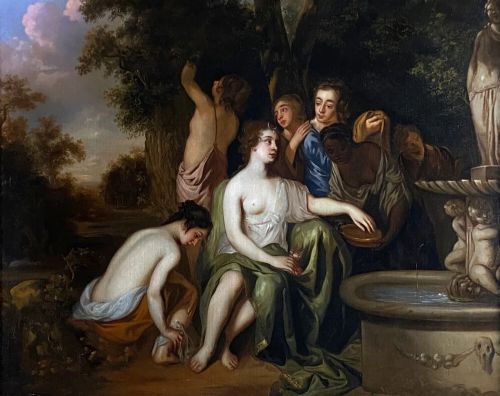
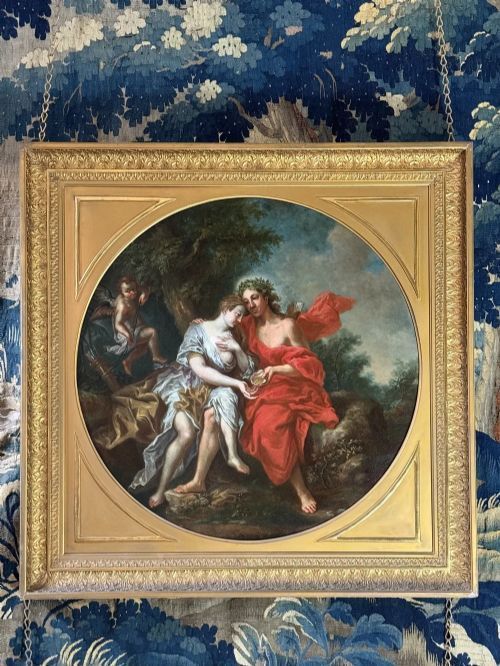


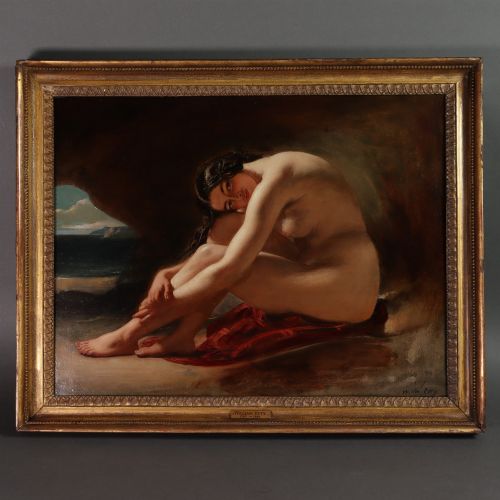


Mythological Oil Painting
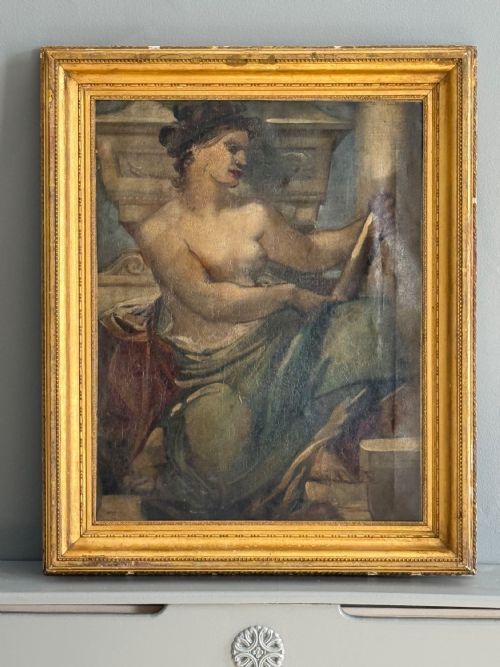
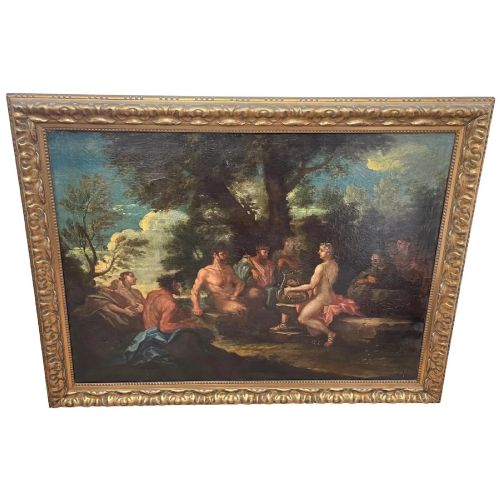
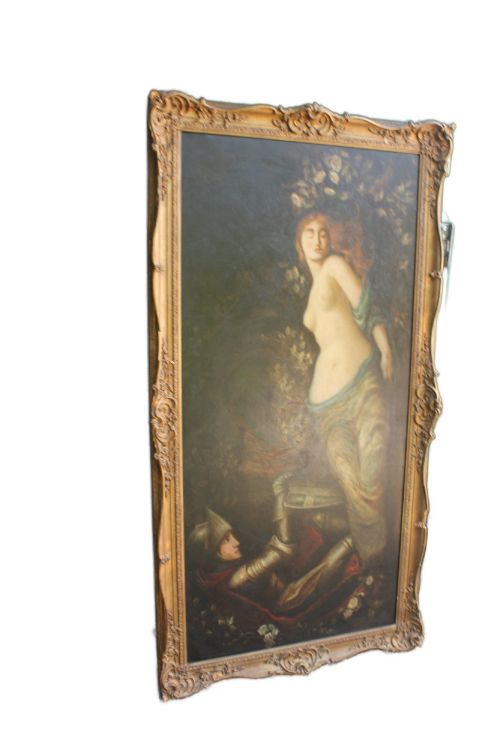
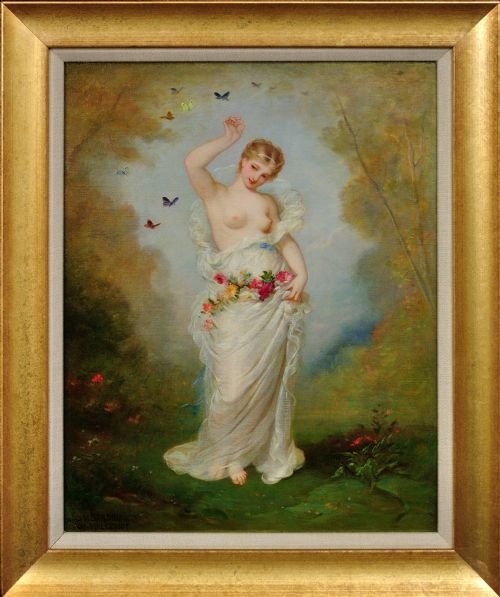
A mythological oil painting brings classical narrative and dramatic figure work into a room through centuries of European canvas traditions.
Mythological Oil Painting
A mythological oil painting depicts scenes drawn from classical literature, divine legends, and ancient folklore, ranging from intimate portrayals of nymphs and cherubs to large-scale dramatic narratives. Buyers seeking this category encounter works spanning the seventeenth through the twentieth centuries, reflecting diverse European traditions including French Rococo, Italian Baroque, Flemish Baroque, and Pre-Raphaelite styles.
The selections available on this page most frequently present canvas supports housed within period wooden frames, often finished in gilt or gilded wood. Subjects run from specific tales such as Apollo and Daphne, Diana bathing, and Theseus and Ariadne to allegorical groupings of gods, satyrs, and mythological figures set within landscapes.
How they were made
These works rely primarily on oil paint applied to prepared canvas supports, though panel supports also appear among the selections. Pigments build up narrative depth through layered brushwork, capturing flesh tones, drapery, and landscape details characteristic of academic and regional European schools.
Framing forms an integral part of the physical object, utilising carved wood, giltwood, and gilded wood surrounds designed to complement the period and style of the painting.
Mythological Oil Painting Retail Price Guide 2026
Typical asking prices for mythological oil painting among the pieces listed under this phrase on Sellingantiques today, from the lower quarter to the upper quarter. They describe what is for sale here now, not the wider market.
Several canvases feature cheerful groups of winged cherubs interrupting solemn divine narratives.
What varies in quality
The distinction between standard works and exceptional examples rests upon the confidence of the brushwork, the anatomical clarity of the figures, and the expressive strength of the narrative composition. Masterful handling of light, shadow, and atmospheric depth elevates a canvas above standard decorative production.
The integrity of the original paint layer and the harmony between the artwork and its period frame also influence the overall standing of an individual piece.
Sir Joseph Noel Paton·Charles-Antoine Coypel·Sir Peter Lely·Margaret Maitland Howard·André Charles Voillemot·Antoine Calbet·William Etty·Cornelis Van Poelenburgh·Jean Baptiste Isabey·William Edward Frost·Peter Paul Rubens·Francesco Albani·Nicolas Poussin
The Mythological Oil Painting Glossary
- Oil on Canvas
- A traditional painting medium where pigments bound in oil are applied to a stretched woven fabric support. This combination allows for rich blending and depth of colour.
- Giltwood
- Wood that has been coated with a thin layer of gold leaf or gilt. It provides ornate, reflective framing for classical artworks.
- Pre-Raphaelite
- An artistic movement characterised by detailed execution, intense colours, and complex literary or mythological themes. It draws inspiration from fifteenth-century Italian art.
- Baroque
- A European style spanning the seventeenth and eighteenth centuries noted for dramatic movement, deep shadow, and grand theatrical scale. Mythological subjects frequently served this dramatic impulse.
- Grand Tour
- A cultural journey undertaken by wealthy young Europeans to continental sites, resulting in the acquisition of art and souvenirs. Paintings from this context often record classical antiquities and mythological scenes.
Mythological Oil Painting: Frequently Asked Questions
What subjects appear in a mythological oil painting?
These works depict narratives from Greek and Roman mythology, including figures such as Venus, Apollo, Diana, and various nymphs, satyrs, and cherubs.
Scenes range from pastoral landscapes with bathing figures to intense dramatic encounters drawn from classical epics and legends.
How do I identify the period of a painting?
Dating relies on stylistic markers such as the brushwork techniques of the French Academic, Baroque, or Pre-Raphaelite movements, alongside the construction of the canvas and frame.
17th-century works often show dark, dramatic contrasts, while 19th-century pieces reflect revivalist or academic precision.
Are these paintings executed on canvas or panel?
The vast majority of the listings utilise oil paint on canvas supports, though occasional examples employ wood panels.
Frames are typically constructed from wood with gilt or gilded finishes appropriate to the era of creation.
How should I display a framed antique painting?
Displaying these works requires a stable environment away from direct sunlight and excessive humidity to protect both the oil pigments and the wooden gilt frame.
Secure wall fixings suited to the weight of the specific wooden frame ensure safe presentation.