



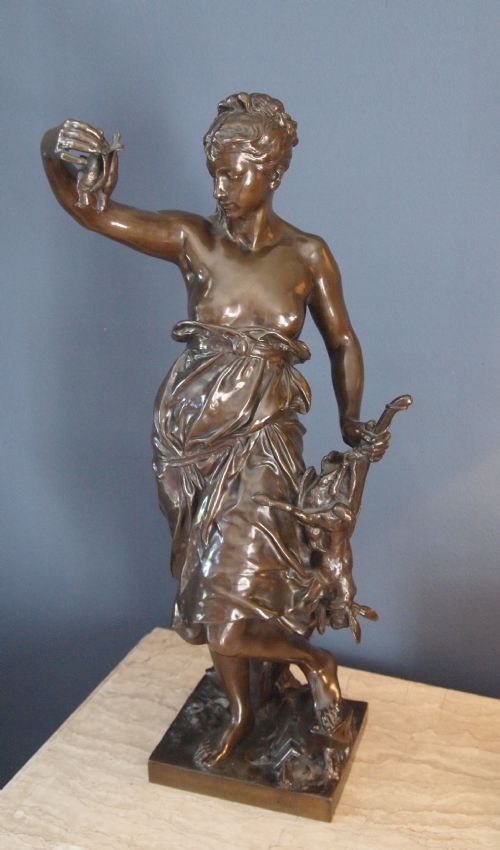
Mythological Bronze Figurine
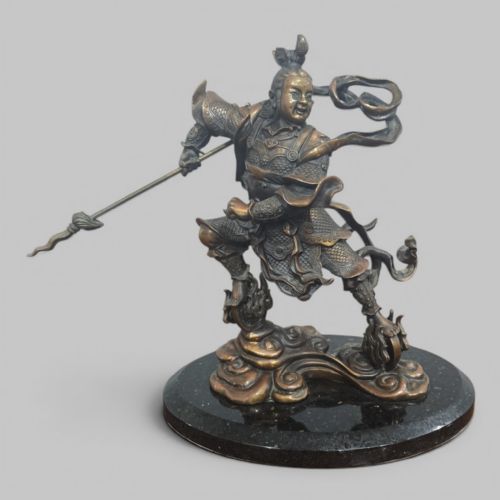
A mythological bronze figurine captures classical narratives and ancient deities in metal, offering a tangible link to mythological history for collectors.
Mythological Bronze Figurine
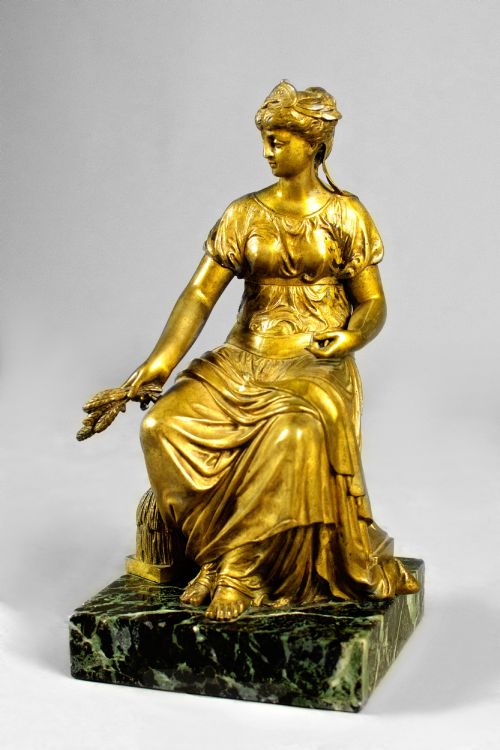
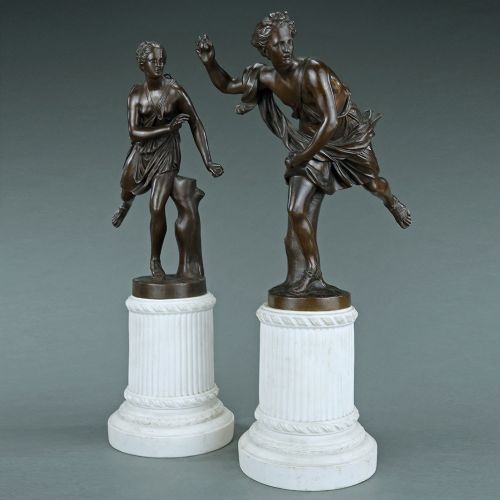
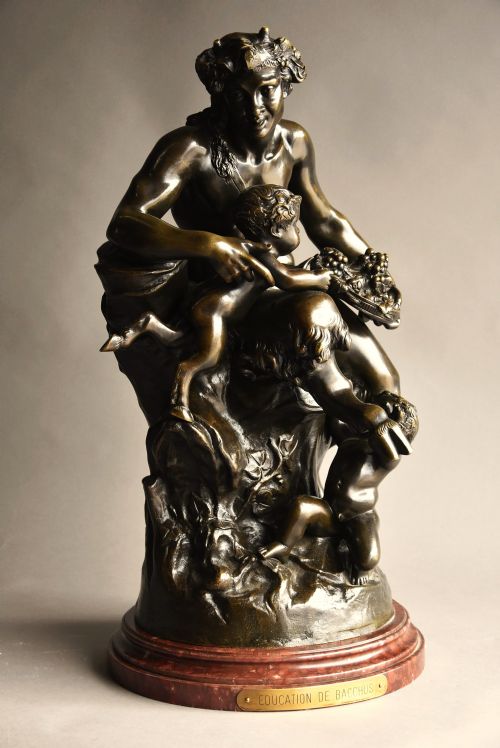
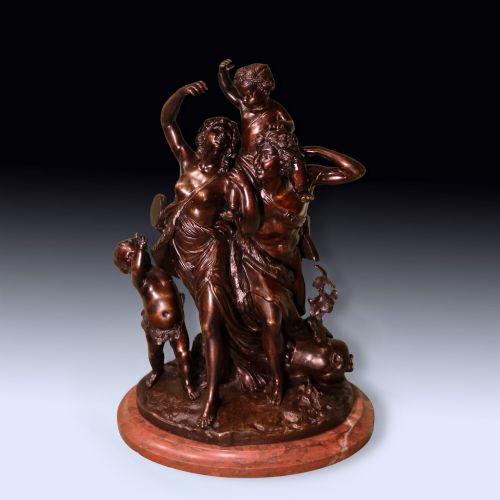
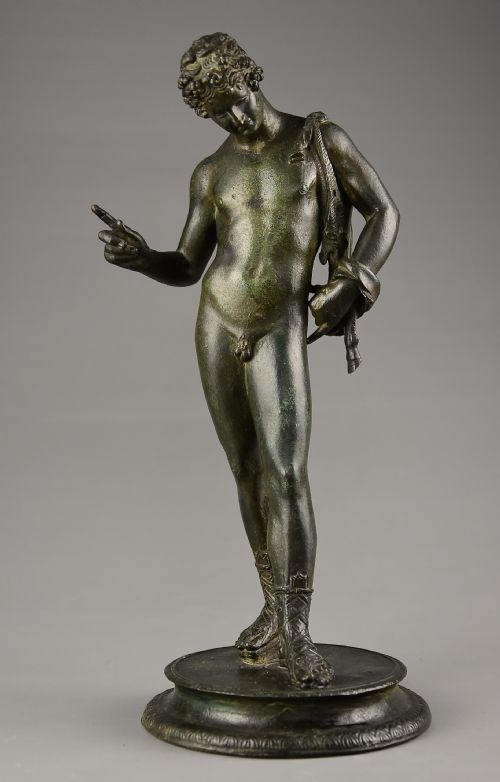
A mythological bronze figurine depicts classical deities, satyrs, fauns, and figures from ancient narratives such as Bacchus, Narcissus, and Perseus. These sculptures frequently emerge from nineteenth century French workshops and Italian Grand Tour souvenir traditions, reflecting a deep Victorian fascination with classical antiquity.
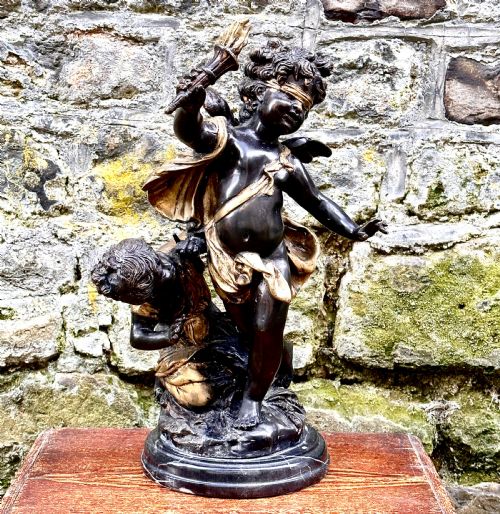
Buyers encounter diverse forms including single statuettes, substantial bronze groups involving multiple figures, and smaller cabinet bronzes. Many pieces replicate famous antique sculptures discovered at archaeological sites like Pompeii, while others represent original nineteenth century artistic interpretations of mythological subjects.
Materials and construction methods
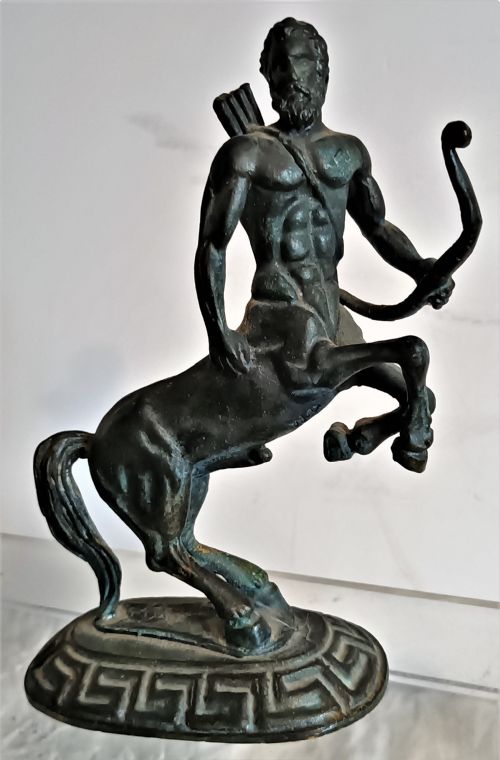
Foundries utilised cast bronze, gilt bronze, and patinated bronze, frequently mounting the finished metal figures on heavy marble bases. Dark green patination and warm brown tones appear extensively across these sculptures to highlight anatomical details and drapery.
Many works combine cast bronze with brass or incorporate patinated metal elements. Skilled founders chased and finished the metal surfaces by hand after casting to accentuate facial expressions, hair, and muscular definition.
Mythological Bronze Figurine Retail Price Guide 2026
Typical asking prices for mythological bronze figurine among the pieces listed under this phrase on Sellingantiques today, from the lower quarter to the upper quarter. They describe what is for sale here now, not the wider market.
Listings feature nineteen century periods alongside early twentieth century Art Deco works in bronze, patinated metal, and marble.
Judging quality in mythological bronzes
The sophistication of the patination and the integration of the bronze figure with its marble base distinguish finer foundry output from standard commercial production. Maker signatures and foundry stamps also elevate a piece by confirming the origin of the casting.
Eutrope Bouret·Barbedienne·Claude Michel Clodian·Albert Hussmann·Pierre Le Faguays·Aug. Moreau
The Mythological Bronze Figurine Glossary
- Grand Tour
- A traditional travel itinerary undertaken by European nobility to study classical art and culture. Souvenirs from these journeys included small bronze figures cast after antique sculptures.
- Patination
- The chemical treatment or natural weathering applied to the surface of a bronze. Dark green and rich brown patinas are typical of nineteenth century patinated bronze figures.
- Lost wax casting
- A method of metal casting where a molten metal is poured into a mould that has been created by means of a wax model. This technique allows for intricate detail in figurative sculptures.
- Chasing
- The manual finishing of a metal casting using small hammers and punches to refine details and remove imperfections. High quality bronzes show extensive hand-chasing across the surface.
- Group
- A sculptural composition featuring two or more figures interacting within a single narrative scene. These group bronzes often depict mythological characters such as satyrs, fauns, and maidens.
Mythological Bronze Figurine: Frequently Asked Questions
What is a mythological bronze figurine?
A mythological bronze figurine is a metal sculpture depicting gods, goddesses, or figures from classical literature and ancient history. These pieces range from reductions of famous museum sculptures to original nineteenth century compositions.
Foundries across France and Italy produced these works using traditional casting methods, often finishing the metal with rich patinas or gilding.
How were Grand Tour bronzes used?
Grand Tour bronzes served as sophisticated travel souvenirs collected by wealthy tourists visiting cultural centres in Italy during the eighteenth and nineteenth centuries. Travellers displayed these miniature replicas of classical statues in their libraries and studies.
These pieces allowed owners to demonstrate their classical education, refined taste, and familiarity with ancient archaeological discoveries.
How do I care for a bronze figurine?
Maintaining a bronze figurine requires gentle dusting with a soft, dry brush to prevent particulate accumulation on the metal surface. Avoid applying abrasive cleaners, oils, or modern polishes that can strip the original patina.
Keep the sculpture in a stable environment away from excessive moisture and direct sunlight to preserve the finish of the bronze and any attached marble base.
How can I tell if a bronze is nineteenth century?
Nineteenth century bronzes often exhibit specific casting characteristics, heavy weight, and authentic patination techniques associated with historical foundries. Examining the underside of the piece may reveal mounting screws, foundry stamps, or artist signatures typical of the period.
The style of the casting, the quality of the hand-chasing, and the type of marble used for the base also provide clues to the age of the object.