

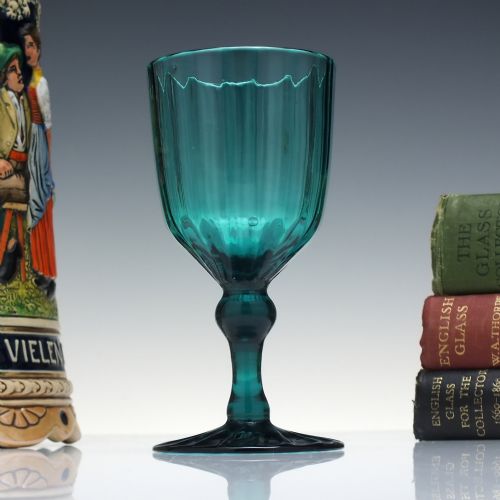
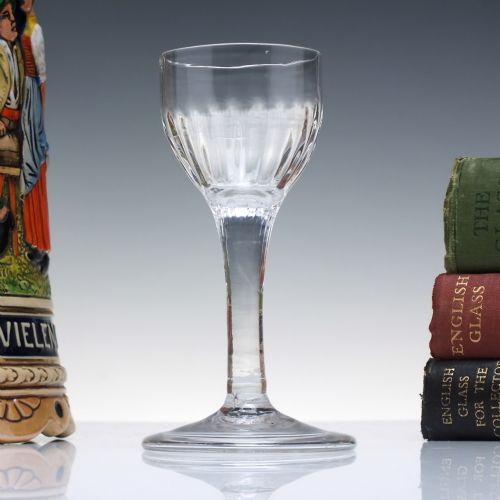

Moulded Glass Bowl
These moulded glass bowl pieces offer striking Art Deco and Art Nouveau design, bringing tactile texture and form to any interior.

Identifying your moulded glass bowl
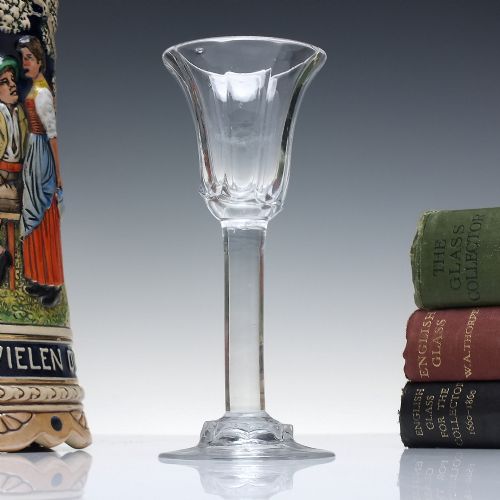
A moulded glass bowl brings together decorative bowls and glass vessels shaped by historical manufacturing methods. When searching for a moulded glass bowl, buyers encounter pieces ranging from early eighteenth century stemware to twentieth century decorative vessels.
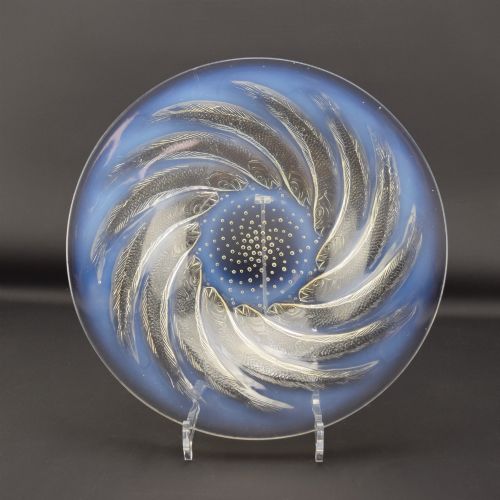
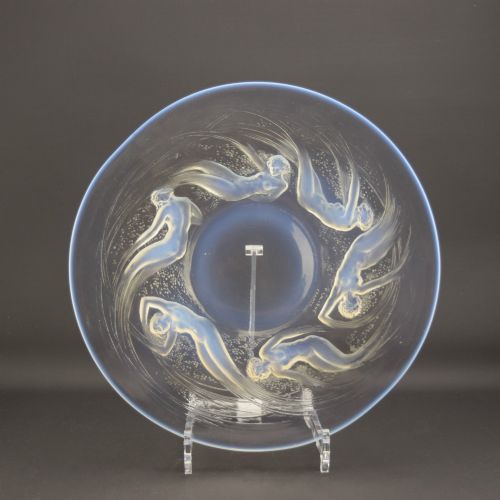
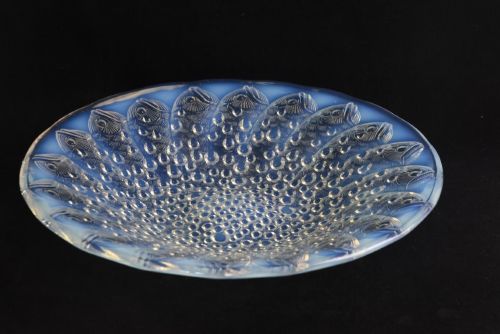
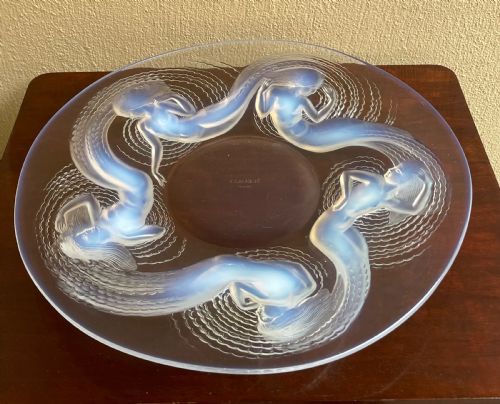
The twentieth century examples dominate modern selections, particularly French production from the nineteen tens, nineteen twenties, and nineteen thirties. These later pieces showcase distinct styling through bold fruit motifs and figurative scenes.
Materials and production
The items utilise glass, opalescent glass, moulded glass, pressed glass, patinated glass, amber glass, and enamel. Artisans shaped these materials using pressing and moulding techniques to achieve distinct surface textures.
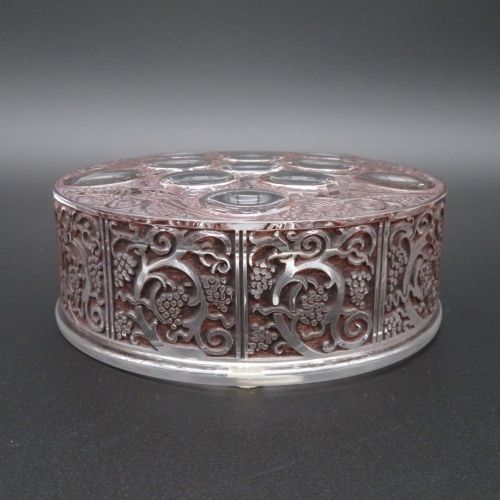
Makers applied surface treatments including grey staining, enamel additions, and patination to highlight the relief designs. These finishes contrast against translucent, opalescent, or coloured glass bodies.
Retail Price Guide 2026
Typical UK retail prices for moulded glass bowl, calculated from the Sellingantiques database of over a million retail prices indexed since 2003. This retail price guide relies exclusively on Sellingantiques data; no external sources or auction records are used, so the figures do not describe the wider market.
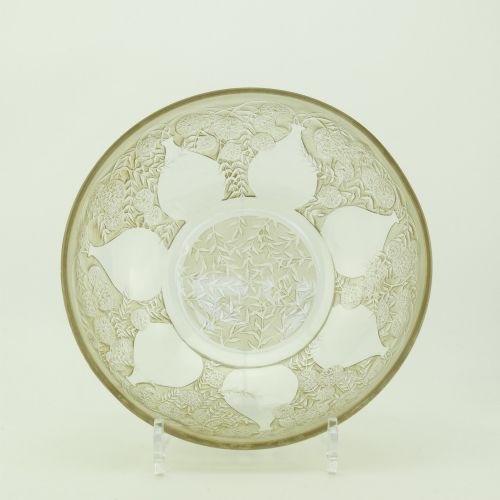
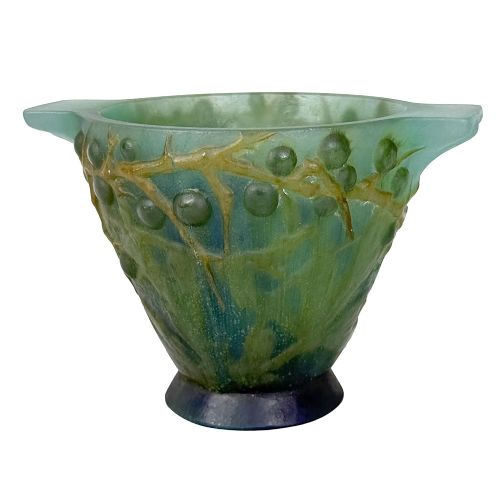
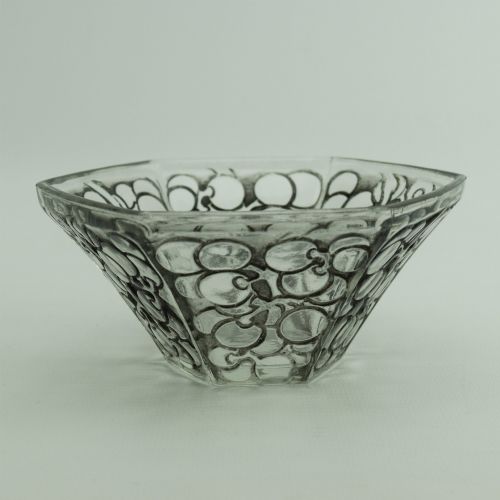
Fruit designs including cherries and raisins prove that glassmakers found endless inspiration in the orchard.
Judging quality in moulded glass
Quality rests in the crispness of the moulding and the sophistication of secondary surface treatments like enamel and grey staining. Pieces that retain strong contrast in their patination demonstrate superior visual depth.
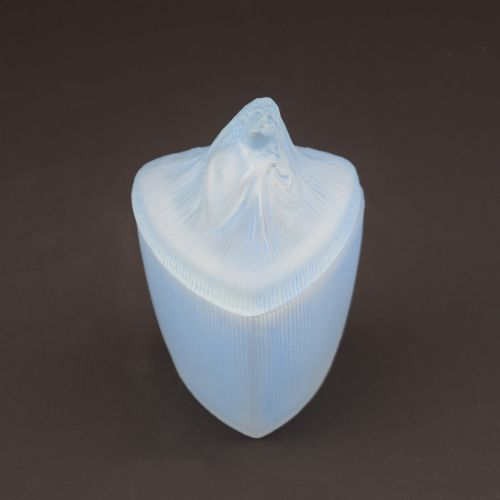
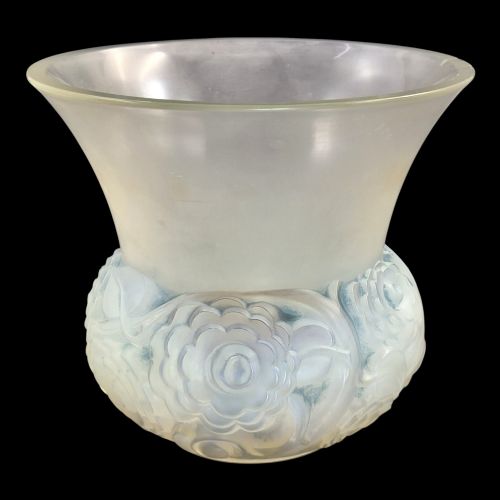
The distinction between standard production and masterwork items lies in the handling of light through opalescent and coloured glass. Finer examples display deliberate interplay between transparency and frosted relief.
Rene Lalique·G Vallon
The Moulded Glass Bowl Glossary
- Opalescent glass
- Glass that diffuses light to display a milky or bluish glow, particularly visible in raised design areas. This effect creates striking contrast against clear or tinted backgrounds.
- Patinated glass
- Glass treated with surface colour or staining to accentuate carved or moulded details. It brings definition to complex motifs.
- Pressed glass
- Molten glass shaped by being pressed into a metal mould using a plunger. This mechanical process allowed for repeatable decorative patterns.
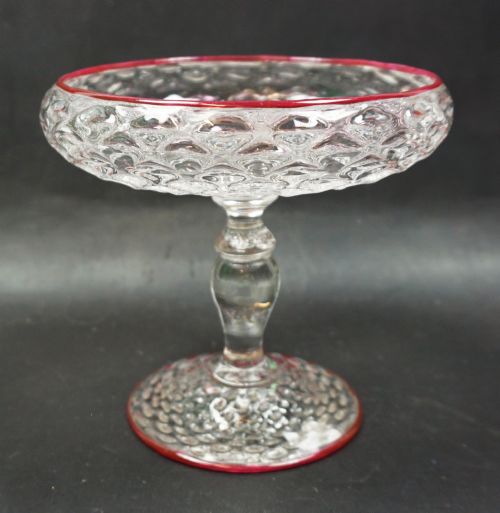
- Sweetmeat glass
- An eighteenth century vessel designed for serving dry confections, often featuring a moulded bowl atop a pedestal stem. These represent the earlier iterations within the category.
Frequently Asked Questions
What periods do these bowls cover?
The pieces span from the eighteenth century through the nineteenth century and into the early twentieth century. Twentieth century examples strongly reflect Art Deco and Art Nouveau aesthetics.
Earlier entries include Georgian and Victorian drinking vessels with shaped bowls. This chronology demonstrates how manufacturing shifted from utilitarian tablewares to high art decorative objects.
How do I care for opalescent glass?
Clean these items gently using warm water and mild soap, avoiding harsh abrasives that could damage surface patination. Patinated and enamelled surfaces require particular care to preserve their original finishes.
Display the vessels away from direct, harsh sunlight to protect coloured and amber glass tones. Handle them with clean hands to prevent skin oils from affecting the glass.
What styles define these decorative bowls?
Art Deco and Art Nouveau styles dominate the twentieth century selection. These movements brought organic motifs, fruit designs, and figurative elements to moulded vessels.
Earlier pieces rely on traditional geometric patterns like honeycomb, petal, and rib moulding. These tactile surfaces provided grip and visual interest on functional drinking vessels.
How do I distinguish French twentieth century pieces?
Twentieth century French pieces frequently utilise opalescent glass, amber tones, and specific surface treatments like enamel. They often feature distinct signatures or moulded marks from prominent makers.
Subjects tend towards naturalistic themes such as cherries, raisins, and figurative water scenes. This contrasts with the simpler structural moulding seen on eighteenth century English drinking glasses.