




Mother of Pearl Art
Mother of pearl art brings iridescent nacre, abalone shell and intricate inlay into pendants, wall plaques and decorative frames.
Mother of Pearl Art
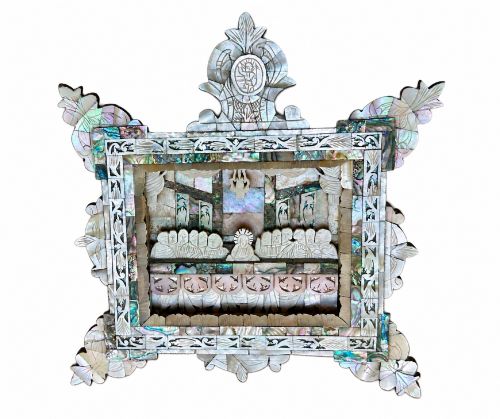
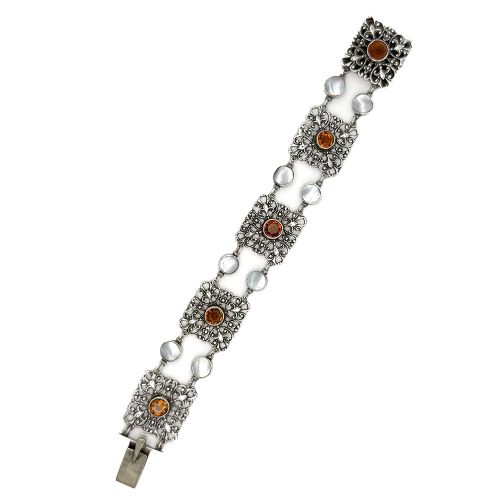
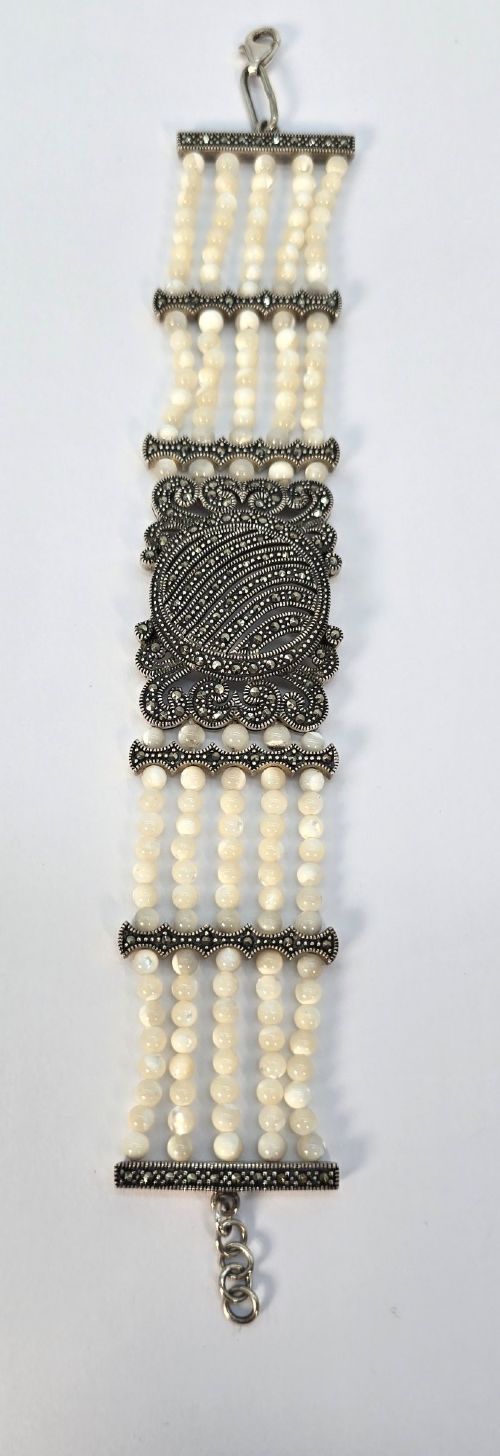
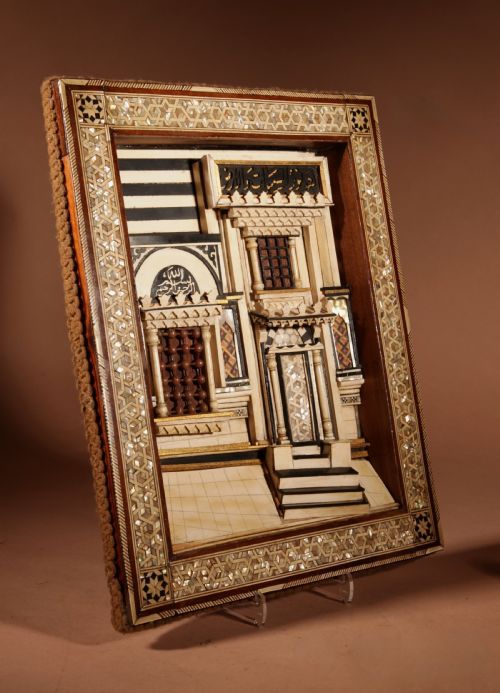
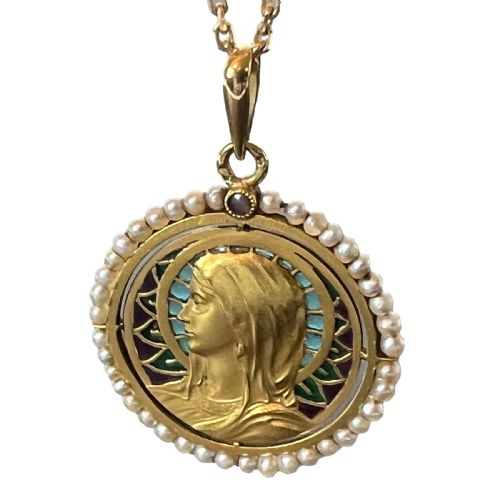
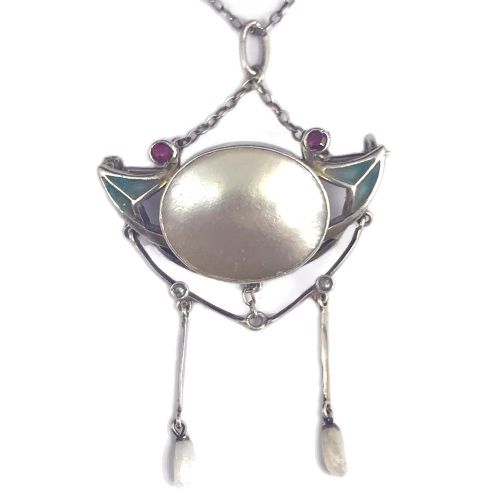
Mother of pearl art encompasses decorative objects, jewellery and furnishings that incorporate lustrous nacre, abalone and blister pearl. When you search for mother of pearl art, you encounter everything from Victorian inlaid magazine stands and religious dioramas to Art Deco silver bracelets and Chinese lacquered panels.
The objects span multiple centuries and design movements, notably the Arts and Crafts, Art Nouveau and Art Deco periods. Pendants, wall plaques, display cabinets and architectural dioramas dominate the forms, each showing how makers utilised shimmering shell surfaces to catch the light.
Originating from diverse workshops across Britain, Europe, the Middle East and Asia, these pieces rely on the natural iridescence of marine shells. You find religious icons from the Holy Land alongside Japanese lacquer roundels and European modernist jewellery.
Assessing quality
Quality rests upon the precision of the inlay work and the depth of the nacre's iridescence. Superior examples demonstrate tight joints between the shell and the surrounding wood or metal, with no gaps or missing fragments.
Design sophistication also separates standard items from exceptional pieces. Works designed by prominent figures or produced by specific guilds display superior hand-chasing in the metal and careful selection of shell sections for consistent colour play.
Mother of Pearl Art Retail Price Guide 2026
Typical asking prices for mother of pearl art among the pieces listed under this phrase on Sellingantiques today, from the lower quarter to the upper quarter. They describe what is for sale here now, not the wider market.
The listings feature mother of pearl objects spanning from the eighteenth century through the Art Deco period, incorporating silver, lacquer and abalone.
Amy Sandheim·August Ungethüm·Archibald Knox·Liberty & Co·George Hunt·Haruyama Shunzan·Meyle & Meyer
The Mother of Pearl Art Glossary
- Nacre
- The iridescent internal layer of mollusc shells used to create mother of pearl inlay. This natural material reflects light in shifting tones of pink, green and silver.
- Abalone shell
- A marine mollusc shell known for deep blue and green hues. It appears frequently in Arts and Crafts jewellery and decorative panels.
- Blister pearl
- A pearl that forms attached to the inner shell of an oyster rather than within the tissue. It creates a domed, organic shape prized in early twentieth-century pendants.
- Plique-a-jour
- An enamelling technique where enamel is applied within a wire framework without a backing, allowing light to shine through. It often accompanies pearls in Art Nouveau jewellery.
- Okimono
- A Japanese decorative carving intended for display on a shelf or cabinet. These sculptures frequently utilise organic materials including shell and lacquer.
Mother of Pearl Art: Frequently Asked Questions
How do I clean mother of pearl art?
Wipe surfaces gently with a soft, dry or slightly damp cloth to remove dust. Avoid harsh chemical cleaners or prolonged soaking, which can damage the organic shell and its surrounding wood or metal mount.
Keep items away from direct sunlight and extreme humidity to preserve the natural lustre of the nacre and prevent the wood from warping.
Is abalone the same as mother of pearl?
Abalone is a specific type of shell that produces deep blue and green tones, whereas mother of pearl generally refers to the pearlescent lining of pearl oysters and freshwater mussels.
Both materials share the same iridescent nacre composition and appear interchangeably across various decorative arts and jewellery traditions.
How do I date a mother of pearl item?
Examine the mounting style, metal purity marks and construction methods to determine the period. Arts and Crafts pieces often feature hand-beaten silver and visible tool marks, while Art Deco examples display geometric symmetry.
Comparing the backing materials, such as oak versus fruitwood, and checking for maker signatures helps narrow down the decade of production.
Where were inlaid wooden items made?
Inlaid wooden items and architectural dioramas were produced across Europe, Britain and the Levant, notably in Jerusalem and Damascus where local craftsmen specialised in nacre and bone work.
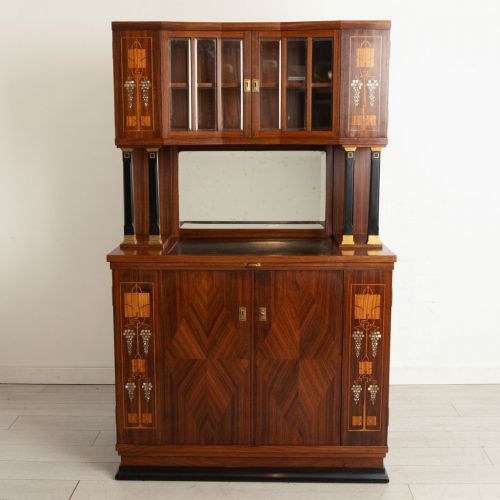
European workshops in Vienna and London also incorporated shell inlay into cabinets, mirrors and decorative boxes during the late nineteenth and early twentieth centuries.