

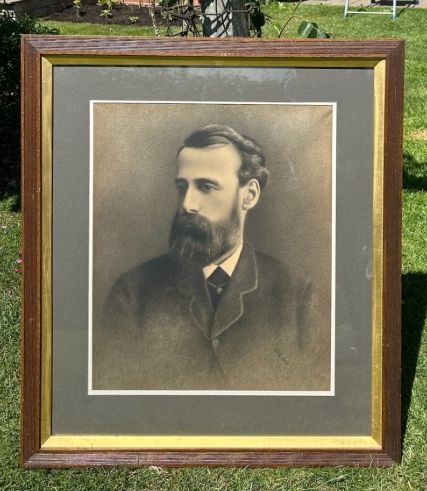


Monochrome Pencil Sketch
A monochrome pencil sketch captures form through graphite and paper, offering an intimate record of academic study, portraiture, and landscape across multiple centuries.
Monochrome Pencil Sketch
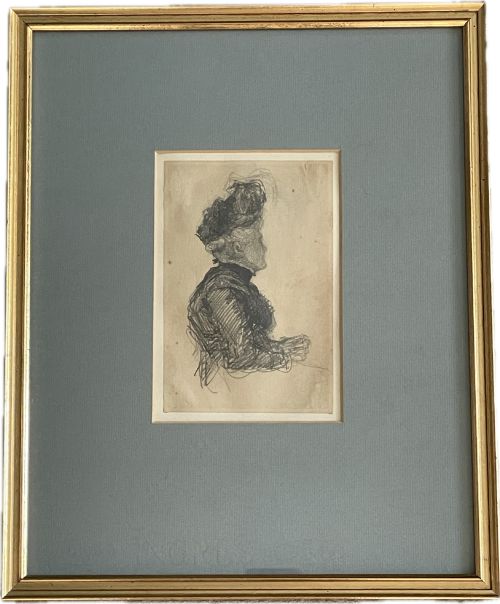
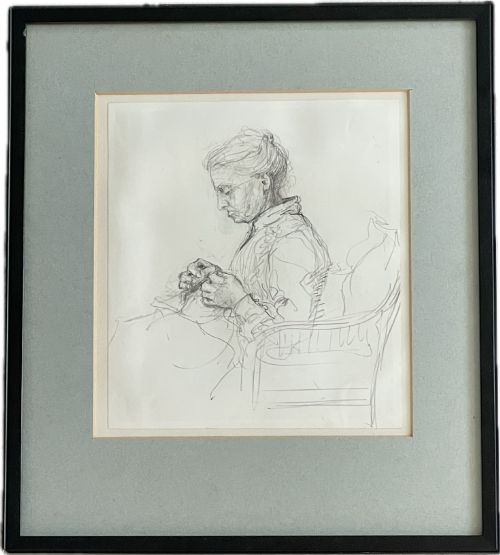
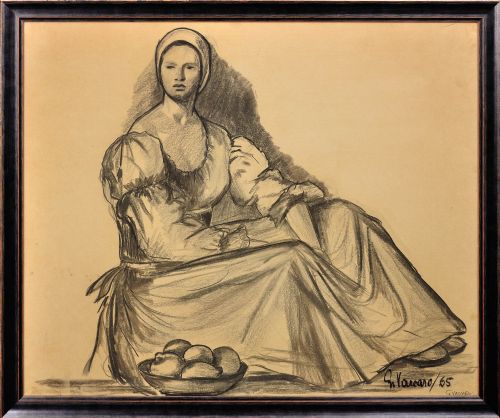
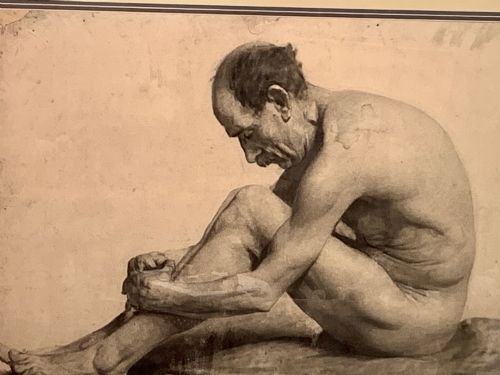
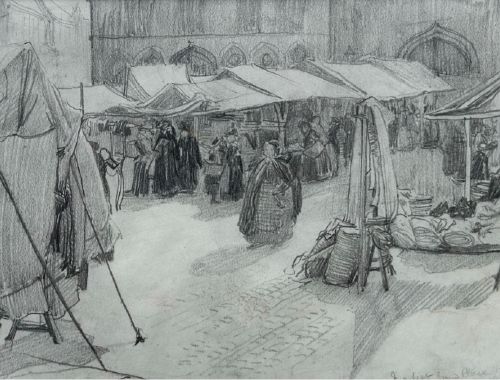
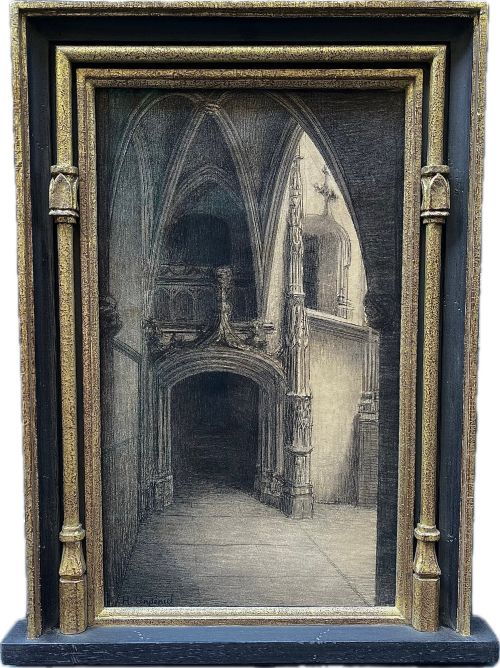
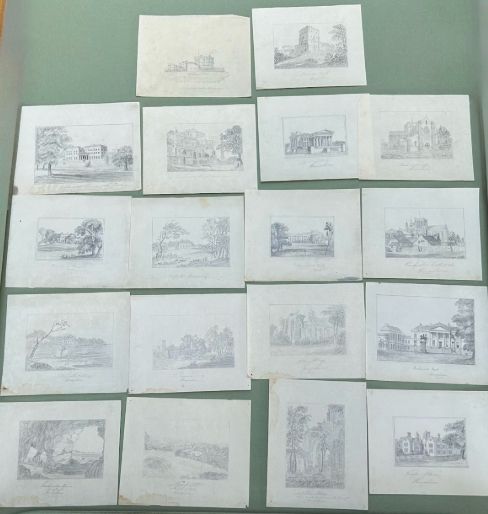
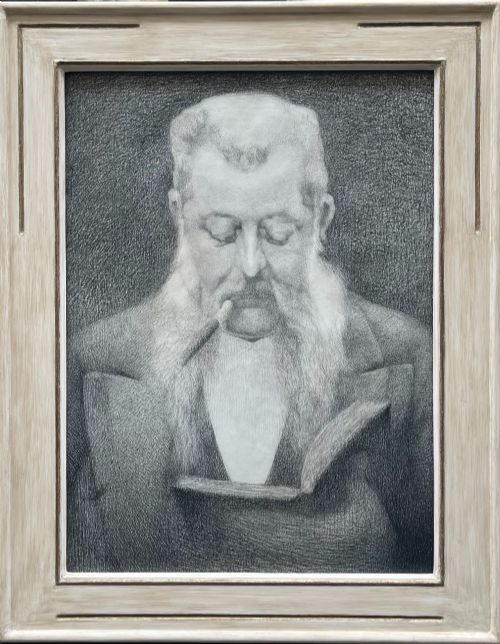
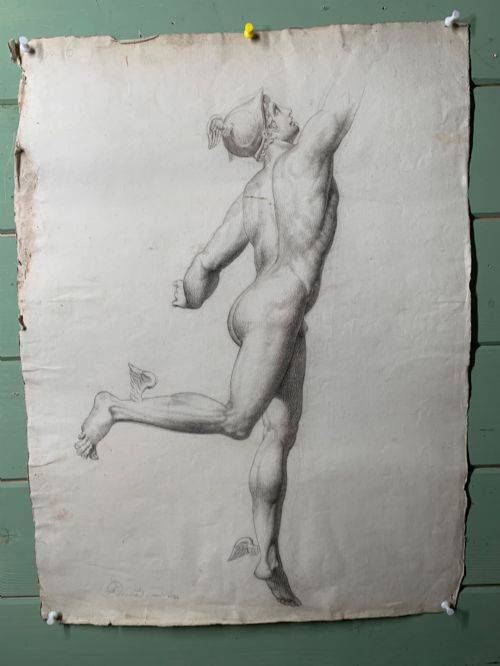
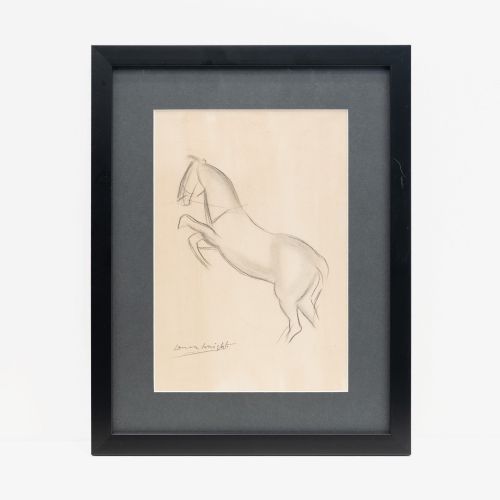
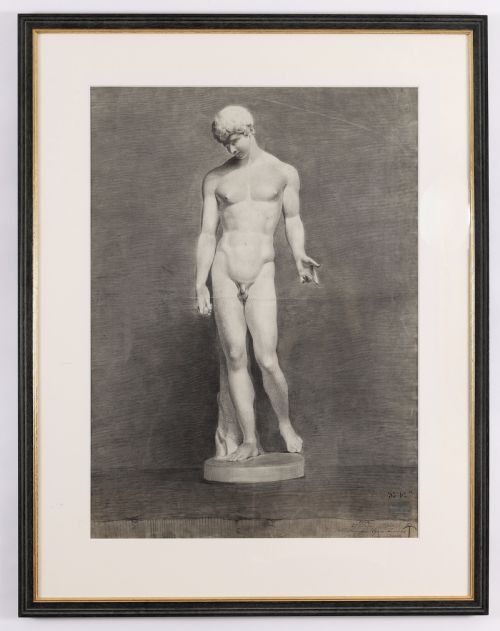
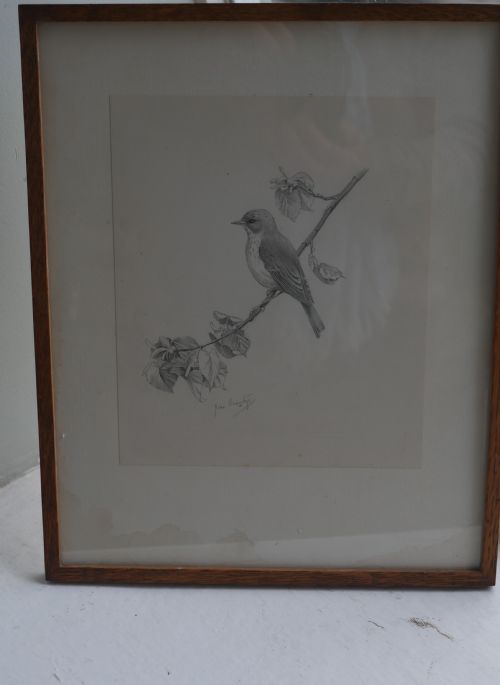
A monochrome pencil sketch on this page encompasses original drawings, figure studies, and framed artwork spanning from the eighteenth century to the mid-twentieth century. Buyers encounter academic male nudes, architectural building studies, portraits, and landscape sketches executed by named artists and anonymous hands.
The material surface is predominantly paper, sometimes augmented by charcoal, ink, or wash, mounted in framed presentations. Works range from precise nineteenth-century renderings of classical figures to looser twentieth-century townscapes and portraits.
Pieces frequently reflect specific historical moments, including Edwardian portraiture, Georgian academic exercises, and mid-century modernist or surrealist compositions. The selection leans heavily toward nineteenth-century works and early twentieth-century British and European drawings.
Materials and Techniques
These works rely on graphite and pencil applied directly to paper sheets, occasionally combined with charcoal or ink wash to build contrast and depth. The physical support consists primarily of historic paper stocks, which dictate the grain and texture visible beneath the drawing.
Framing materials incorporate wood and glass to protect fragile paper surfaces from environmental degradation. Selected pieces integrate supplementary media such as gold leaf or watercolour wash alongside the core monochrome pencil lines.
Monochrome Pencil Sketch Retail Price Guide 2026
Typical asking prices for monochrome pencil sketch among the pieces listed under this phrase on Sellingantiques today, from the lower quarter to the upper quarter. They describe what is for sale here now, not the wider market.
Several sketches capture domestic animal companions, including a cheeky dog lingering in a nineteenth-century kitchen.
Assessing Quality
Quality rests upon the sureness of the draughtsmanship and the artist's ability to render light, shadow, and proportion accurately within a single-colour medium. Academic studies often demonstrate superior anatomical precision and compositional control compared to casual studio exercises.
The preservation of the paper substrate and the clarity of the graphite marks influence the visual impact of the drawing over time. Stronger examples display deliberate linework and tonal graduation that maintain legibility across the entire sheet.
Dame Laura Knight·J D Fergusson·Augustus Edwin John·Faeq Hassan
The Monochrome Pencil Sketch Glossary
- Graphite
- A form of crystalline carbon used as the primary marking medium in pencils. It produces grey and black metallic streaks when dragged across paper.
- Academic Realism
- A style of painting and drawing produced under the influence of European academies of art. It emphasises rigorous adherence to classical standards and anatomical accuracy.
- Grisaille
- A painting or drawing executed entirely in shades of grey or neutral monochrome. It creates a three-dimensional illusion similar to low relief sculpture.
- Charcoal
- An organic drawing material made from burnt wood that yields deep black, soft lines. It frequently accompanies pencil work to establish darker tonal values.
Monochrome Pencil Sketch: Frequently Asked Questions
How should I frame an antique pencil sketch?
Historic drawings require conservation-grade mounting materials and UV-filtered glass to prevent fading and chemical damage to the paper.
Keep the drawing away from direct sunlight and damp environments to preserve the stability of the graphite and paper over time.
What is the difference between a sketch and a study?
A sketch is typically a quick preparatory drawing made to capture a fleeting idea, perspective, or composition.
A study involves a more rigorous and detailed examination of a specific subject, such as an anatomical feature or a portrait sitter.
How do I identify the period of a drawing?
Dating relies on the paper watermark, framing style, costume details of the sitter, and signatures or inscriptions left by the artist.
Stylistic markers, such as Victorian academic hatching or mid-century modernist abstraction, also indicate the era of production.
Are all listed sketches original works?
The inventory consists of hand-drawn original works on paper rather than mechanical reproductions or prints.
Signatures, stamps, and studio provenance help confirm the direct creation by the artist's hand.