





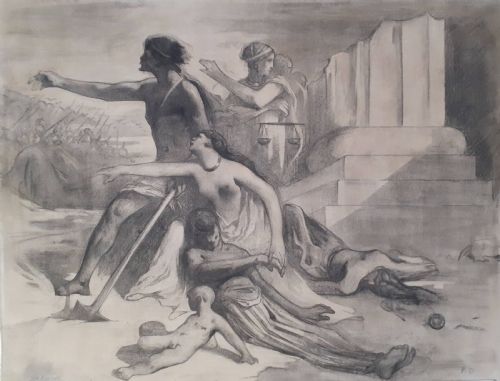


Academic Pencil Sketch
An academic pencil sketch captures precise draftsmanship and classical forms, offering a direct window into historical studio training and rigorous observational practice.
Academic Pencil Sketch
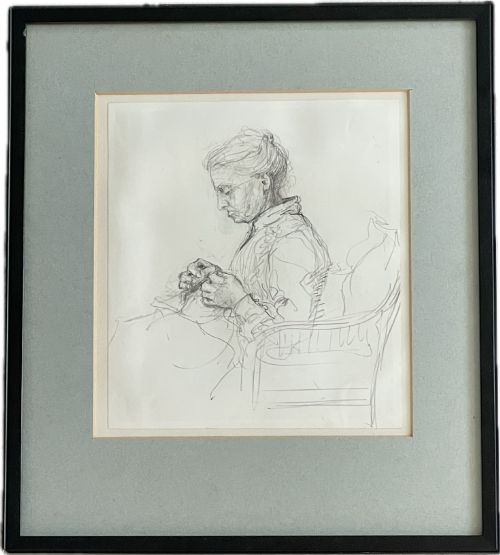
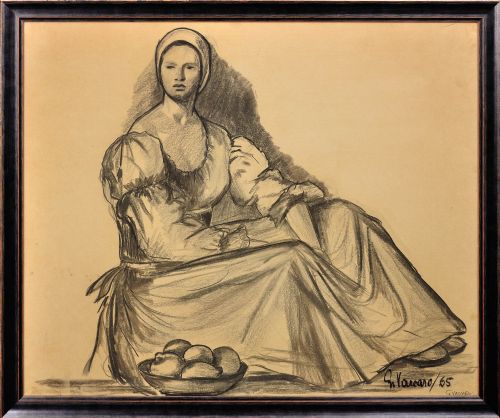
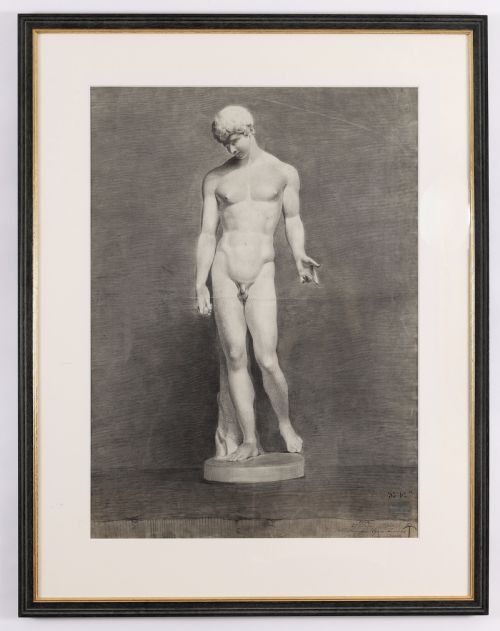
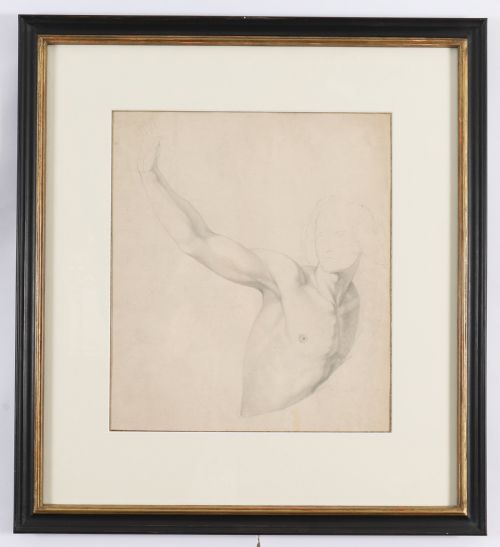
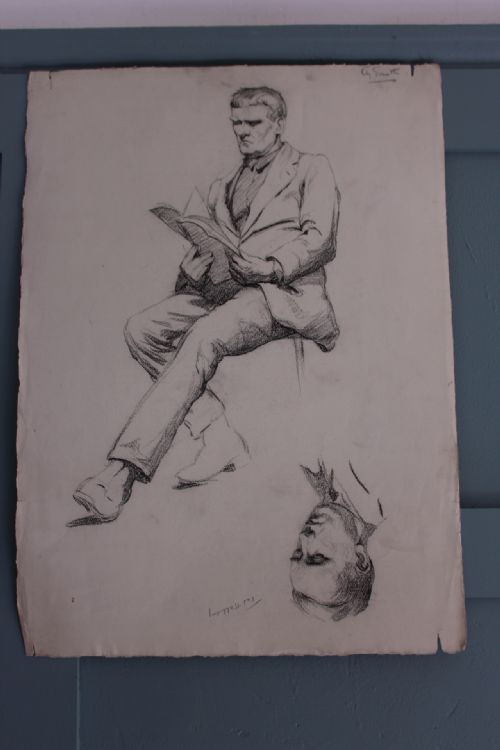
When you search for an academic pencil sketch, you encounter framed figure studies, portraits, and mythological depictions created as part of rigorous artistic training. These works originate from periods spanning the eighteenth century through the early twentieth century, reflecting enduring methods of study.
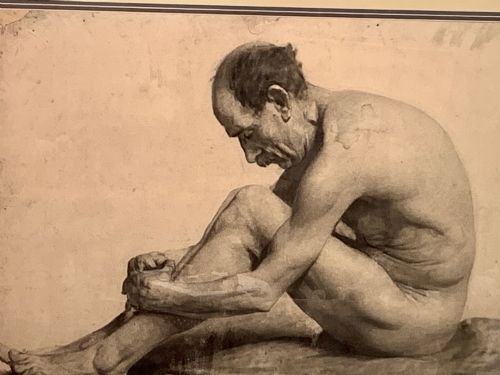
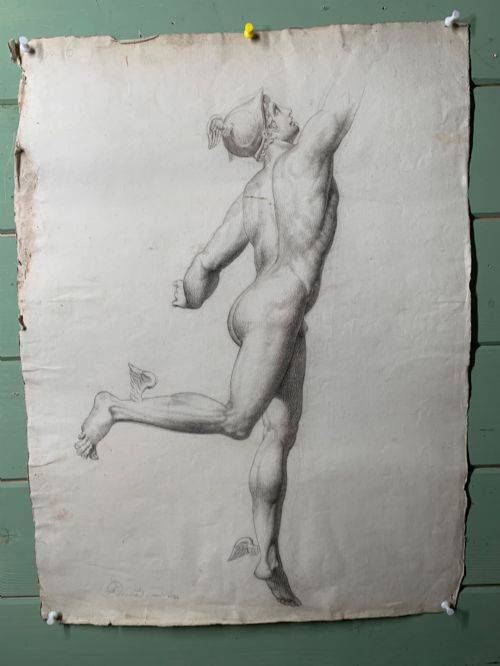
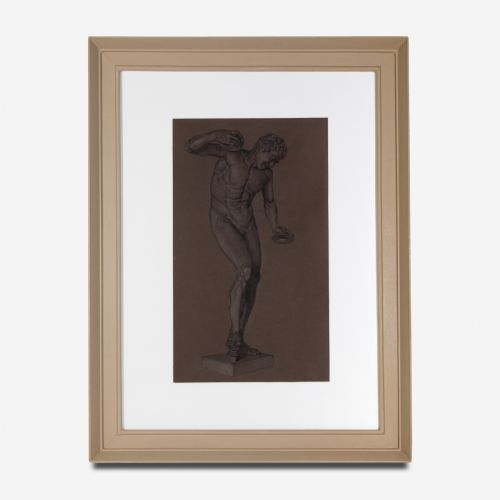
The pieces on this page most commonly appear as detailed graphite or charcoal drawings on paper. You will frequently find male and female nude studies, portraits of notable figures, and renderings after classical sculpture.
Origins vary from English school works to French and Italian studio pieces. Whether signed by named artists or preserved as anonymous school exercises, each item documents the disciplined application required in historical academies.
Materials and technique
These works rely primarily on graphite, pencil, and charcoal applied to various grades of paper, occasionally including toned paper or highlights in chalk and gold leaf. Artists built form through careful hatching, cross-hatching, and tonal layering to achieve three-dimensional depth.
Framing often involves wood and glass to protect the fragile paper substrates. Many pieces utilise grisaille techniques or monochrome palettes to focus entirely on light, shadow, and anatomical accuracy.
Academic Pencil Sketch Retail Price Guide 2026
Typical asking prices for academic pencil sketch among the pieces listed under this phrase on Sellingantiques today, from the lower quarter to the upper quarter. They describe what is for sale here now, not the wider market.
Several drawings preserve the quiet daydreams and intense gazes of nineteenth-century sitters who sat entirely still for hours.
Assessing quality
Quality rests upon the sureness of the line, the accuracy of anatomical proportion, and the subtlety of tonal gradation. Superior examples demonstrate a confident command of light and shadow that brings form and expression to life without relying on heavy outlines.
The preservation of the paper surface and the clarity of the underlying draughtsmanship further distinguish finer academic studies. Works that retain their crisp contrast and original framing context hold greater visual and historical coherence.
Augustus John·Reginald G. Eves·Theobald Chartran·Ernest Borough Johnson
The Academic Pencil Sketch Glossary
- Academic Realism
- A style of painting and drawing produced under the influence of European academies of art, emphasising traditional techniques, idealized forms, and rigorous anatomical study. This approach dominated official salon exhibitions through the nineteenth century.
- Graphite
- A crystalline form of carbon used as a drawing medium, prized for its ability to produce varied tones from faint grey lines to deep metallic blacks. It serves as the primary medium in many historical portrait and figure studies.
- Grisaille
- A method of painting or drawing executed entirely in shades of grey or neutral monochrome. This technique often emphasises sculptural qualities and tonal volume over local colour.
- Neoclassical
- A Western cultural movement drawing inspiration from the art and culture of classical antiquity. In these drawings, it manifests through balanced compositions and subjects derived from classical mythology and sculpture.
- Toned paper
- Paper that possesses a natural colour other than white, such as grey, tan, or blue, allowing artists to build highlights with white chalk while utilising the mid-tone background.
Academic Pencil Sketch: Frequently Asked Questions
What is an academic pencil sketch?
An academic pencil sketch is a preparatory or study drawing created within a formal artistic training tradition, focusing on anatomy, proportion, and classical forms. These pieces served as foundational exercises for artists mastering figure drawing and portraiture.
They offer collectors a direct look into historical studio practices and the rigorous standards required in past academies.
How should I frame and display these drawings?
These works require framing behind glass with acid-free mounts to protect delicate paper surfaces from dust, handling damage, and ultraviolet light degradation. Keeping them away from direct sunlight ensures the graphite and paper remain stable over time.
Displaying them in climate-controlled indoor spaces prevents moisture absorption and warping of the historic paper.
How can I tell the period of a sketch?
Dating relies on stylistic clues, paper characteristics, framing materials, and occasional inscriptions, signatures, or dates left by the artist. Eighteenth-century works often show distinct paper watermarks and looser compositional handling compared to later Victorian pieces.
Victorian and later nineteenth-century academic drawings frequently exhibit heightened precision in anatomical rendering and heavier tonal shading.
Why do some sketches feature classical statues?
Drawing from plaster casts of antique sculpture formed a core component of traditional art education before students progressed to live models. This practice taught aspiring artists how to interpret light, shadow, and ideal proportions from three-dimensional forms.
Sketches of subjects like the Hermes or Capitoline Antinous reflect this foundational stage of academic instruction.