
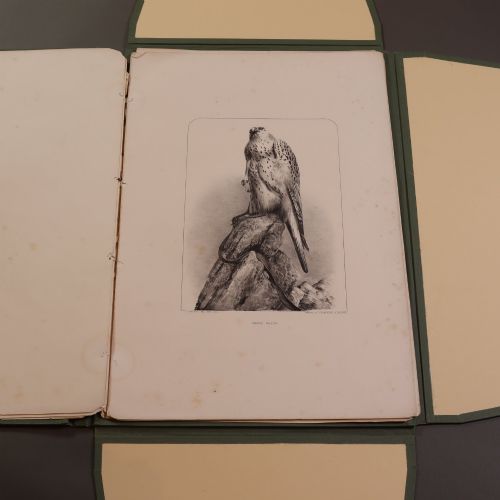


Monochrome Paper Study
Monochrome paper study works capture the unvarnished hand of the draftsman through singular, tone-focused compositions.
Monochrome Paper Study
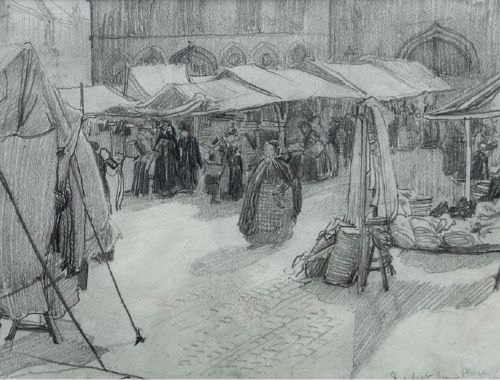
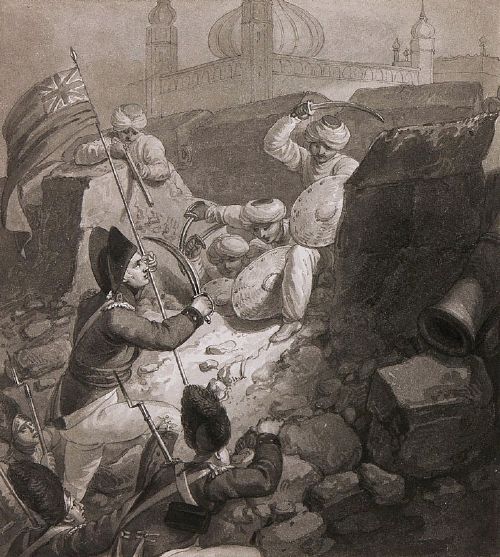
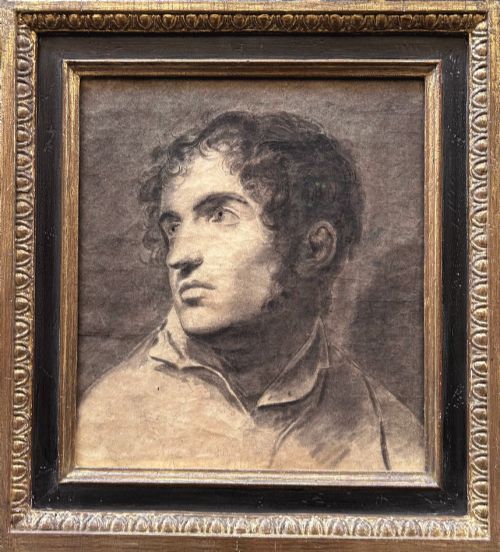
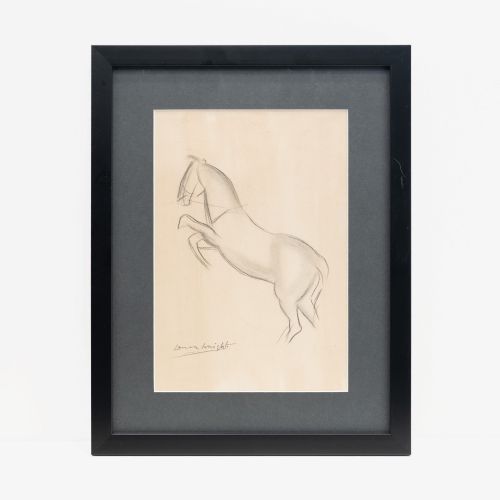
A monochrome paper study presents direct graphic work executed in a single-colour medium on paper supports, focusing on figure, landscape, or architectural detail. When searching for a monochrome paper study, collectors encounter works ranging from eighteenth-century neoclassical drawings to twentieth-century modernist sketches.
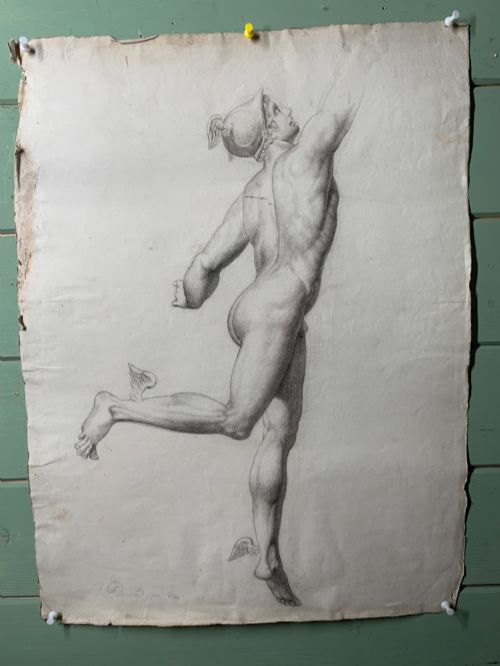
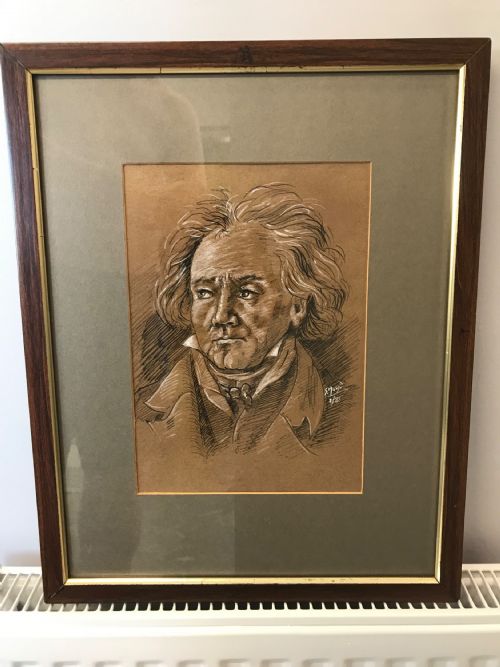
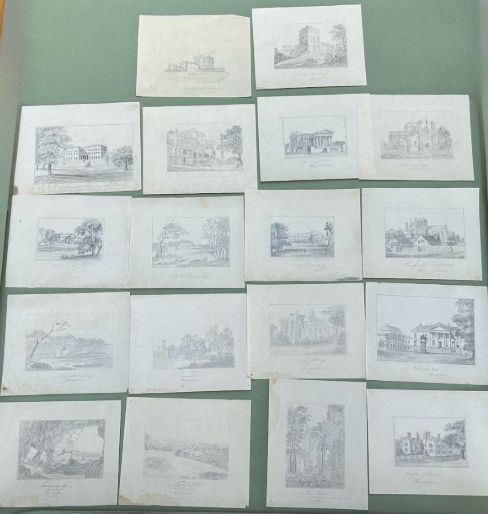
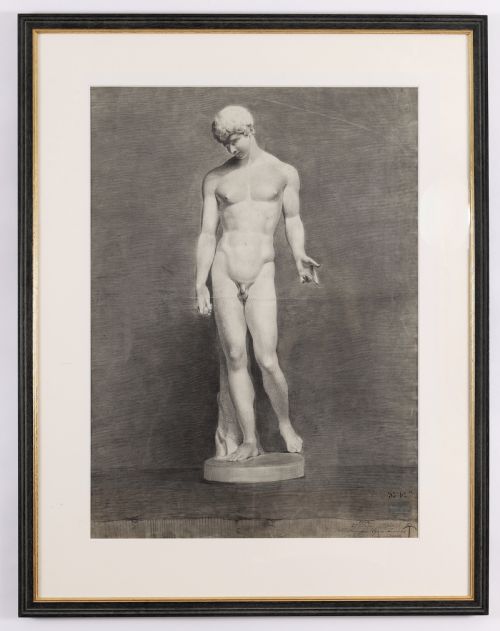
The material inventory spans portraits of composers, academic life studies of the human figure, and architectural renderings of historic buildings. These pieces function primarily as preparatory works or finished graphic sheets originating from British, French, and Italian schools.
Materials and Technique
Draftsmen relied on graphite, pencil, charcoal, and ink applied directly to paper supports, occasionally incorporating chalk, wash, or gouache to build tonal depth. These agents were manipulated on varied paper stocks, utilising the natural grain to catch shadow and line.
Execution methods vary from rapid compositional sketches to highly finished academic life studies adhering to strict neoclassical or realist principles. The interaction between dry media and the absorbent paper surface defines the structural integrity of each sheet.
Several sheets preserve the hurried notes and marginalia of artists who clearly abandoned their breakfast to capture a passing dog.
Distinction in Execution
Quality rests upon the sureness of the line and the artist's command of tone, where economy of mark-making conveys volume and light without redundant strokes. The discipline of an academic life study reveals itself in correct anatomical proportions and deliberate shading.
Condition of the paper support and stability of the medium dictate preservation standards, separating robust works from those compromised by heavy foxing or chemical degradation. Strong provenance and identifiable attribution to established ateliers elevate a sheet above anonymous studio exercises.
William Marshall Craig·Dame Laura Knight·John Hancock·Sir Edwin Landseer·Pierre-Paul Prud'hon·Augustus Edwin John·Winifred Eugene Ballard·John Hoppner·Sir Francis Leggatt Chantrey·John Duncan Fergusson·Alexandre Decamps
The Monochrome Paper Study Glossary
- Academic life study
- A drawing produced from a live model within an institutional art school setting, focusing on accurate human anatomy and tonal graduation. These pieces often follow strict neoclassical or Victorian instructional methods.
- Wash
- A diluted application of ink or watercolour applied with a brush to create translucent areas of tone behind linear work. It provides depth and shadow in architectural and figural compositions.
- Graphite
- A form of carbon used in pencils, yielding lustrous grey to black metallic marks on paper. It replaced lead points and became standard for detailed nineteenth-century sketching.
- Gouache
- An opaque water-based pigment used to add highlights and solid passages of tone to paper studies. It differs from transparent watercolour through the inclusion of a white pigment filler.
- Charcoal
- Burnished vine or willow wood used to produce velvety, deep black marks suited for rapid sketching and broad tonal shading. It is frequently fixed to prevent smudging on historic sheets.
Monochrome Paper Study: Frequently Asked Questions
What is a paper study?
A paper study is a preparatory or standalone graphic work executed on paper using dry or wet monochrome media such as pencil, charcoal, or ink.
These pieces record the immediate observations or compositional plans of an artist before executing a larger canvas or sculpture.
How do I care for antique drawings?
Antique drawings require framing behind glass with ultraviolet filtration to prevent fading of graphite, ink, and paper supports.
Keep them away from direct sunlight and fluctuating humidity levels to avoid mould growth and paper embrittlement.
How do I date a charcoal drawing?
Dating relies on the paper watermark, the style of the mounting, and the handling of the subject matter typical of specific periods.
Academic costumes, architectural motifs, and signature formats also provide reliable chronological markers for nineteenth and twentieth-century sheets.
Why are some drawings signed?
Signatures indicate attribution to a known hand, though many historical works remain unsigned studio pieces or academic exercises.
Collector stamps, inscriptions on the reverse, and archival framing labels often help establish authorship when a direct signature is absent.